
Diary Entry
After the adventurous drive through the Lahic Gorge, we rejoin the main road heading west and follow it past Quebele to Sheki (Shaki, Şəki). It’s already evening when we arrive at the accommodation we booked along the way. An elderly couple opens the doors and is delighted by our visit. We speak to each other in a mixture of English and Russian.
While looking for dinner, we came across a restaurant that looked very upscale. Our waiter seemed quite grim. Perhaps we were dressed inappropriately. But there was hardly anyone else there anyway.
I want to order local wine and am asked to choose one from the wine cellar. “This is going to be expensive,” I think, but when the man tells me the price, I think he’s joking. But he remains serious and seems to mean it. 17 Manat, the equivalent of 8 euros. The food is incredibly cheap, too. We tuck in, one bottle after another, portion after portion. It’s absolutely delicious, and we’re still wondering what the catch is. The sinister-looking waiter asks us where we’re from. We tell him we’re from Germany.
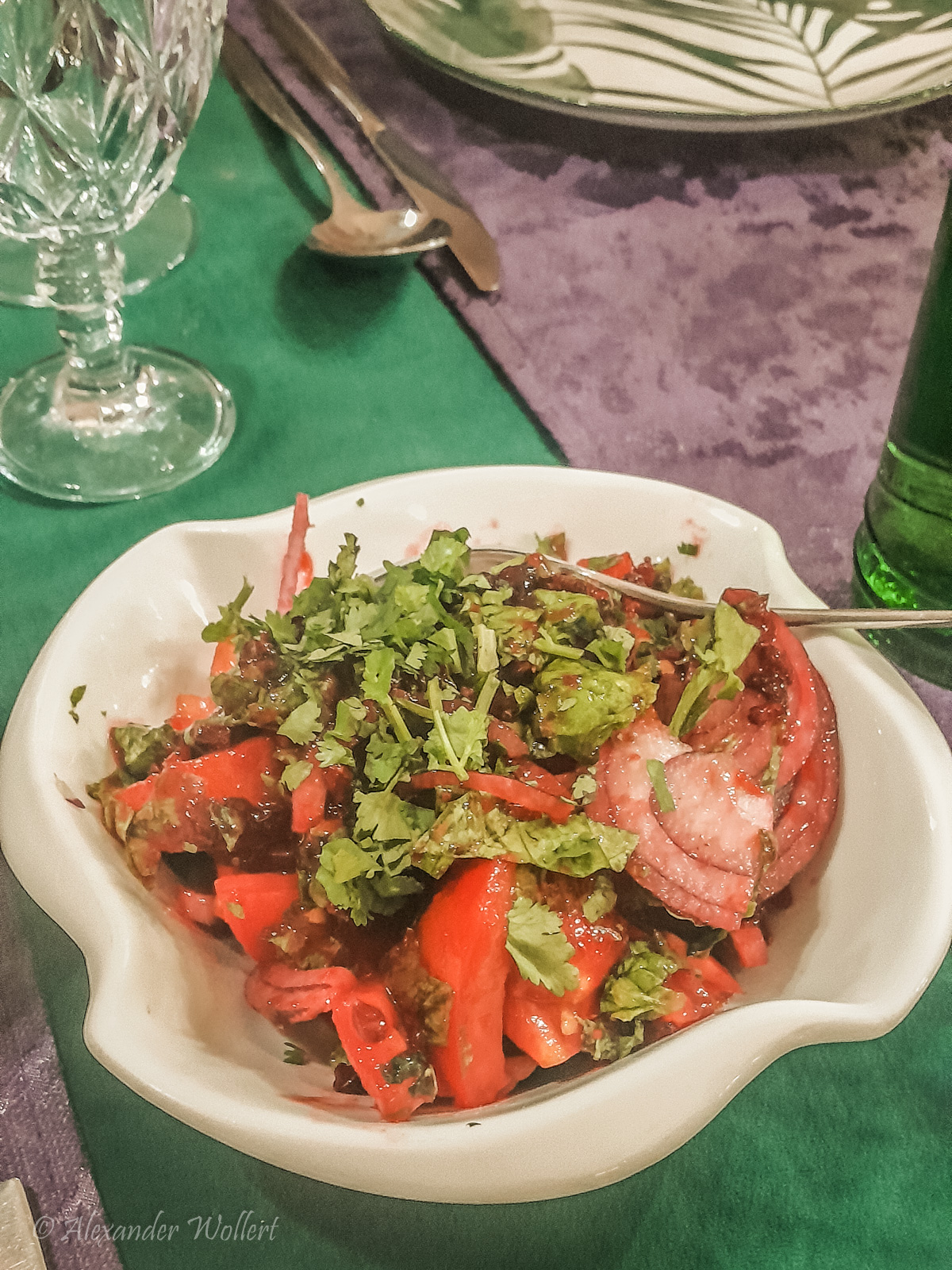
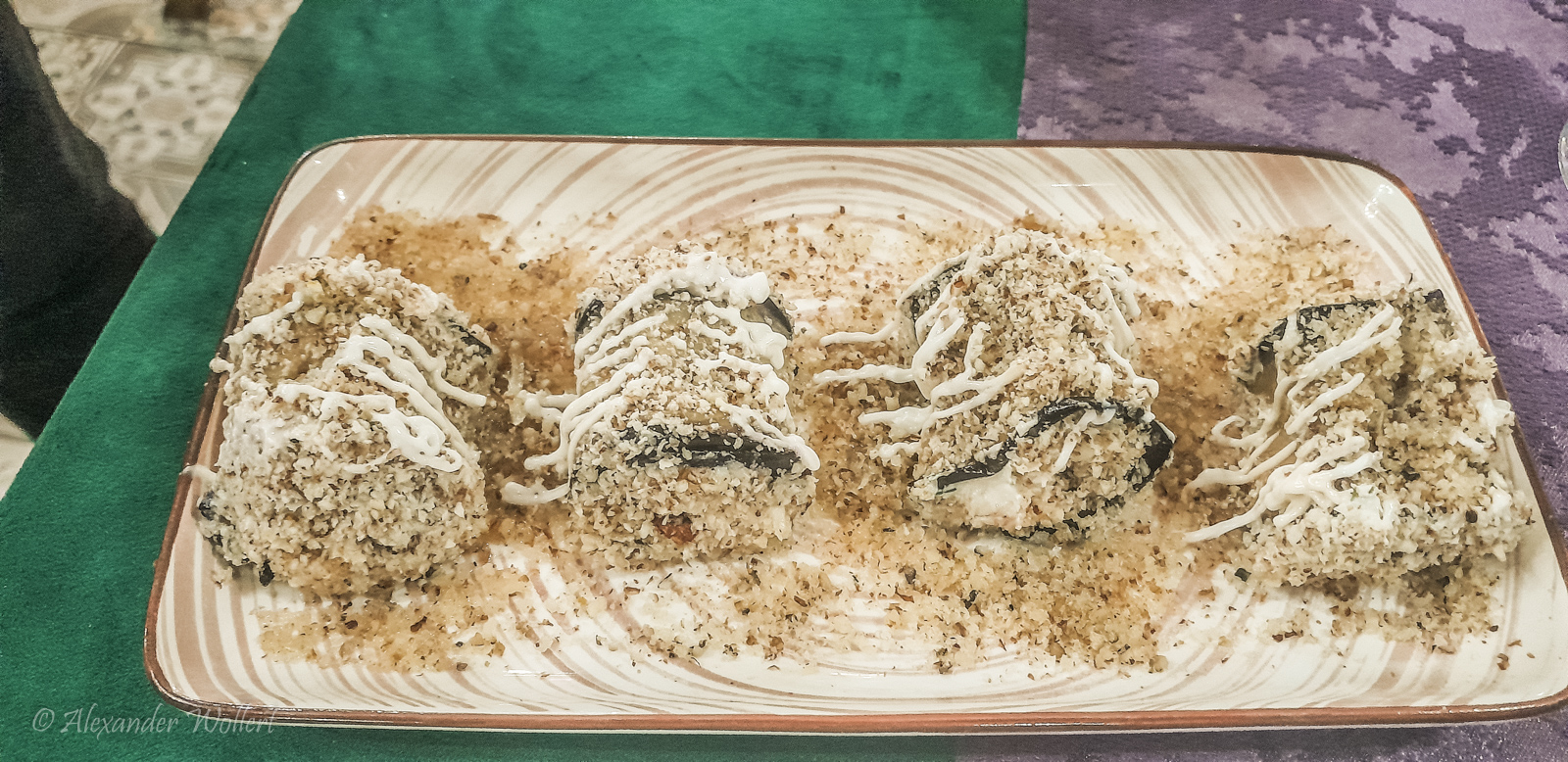
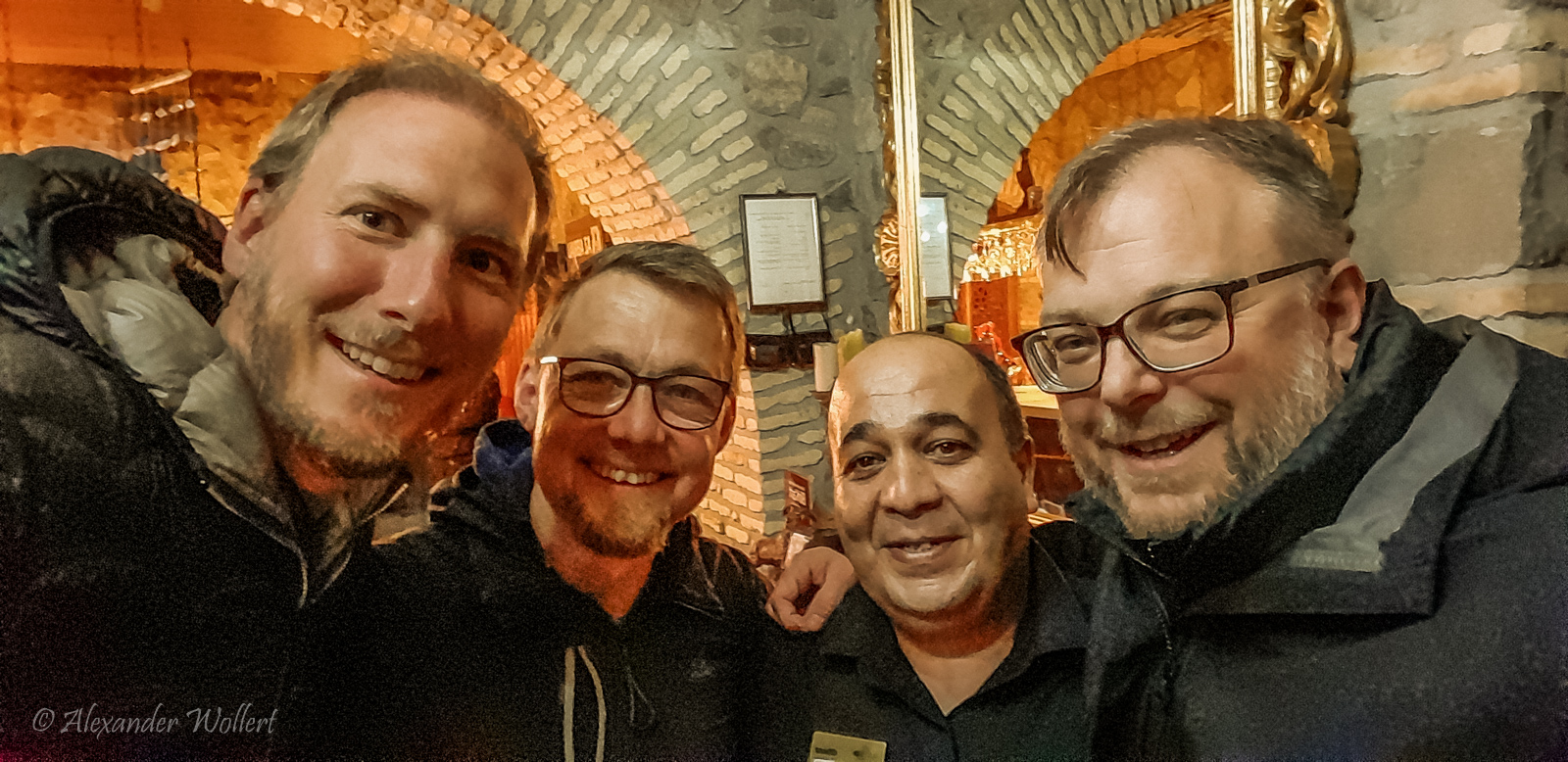
Delicious food and international understanding through Modern Talking
The man freezes, as if someone had smashed a windowpane inside him. “What’s going on?” we wonder. In a completely different, gentle voice, the man tells us that his great passion is the music of Modern Talking. He pulls out his smartphone and shows a doctored picture of himself with Thomas Anders and Dieter Bohlen. Cheerfully, and fueled by wine, we sing the first verses of one or two of the band’s classics, and the man is almost moved to tears. He melts away in emotion and tells us stories from his youth, until he remembers that he actually works here.
Now he pays us extra attention and talks to us as if we were his favorite grandchildren.
We ate and drank superbly, and even when the bill arrived, we found there were no catches. For our princely feast, full of dishes with tender roast meat from the oven, apricots and chestnuts, bread, salad, water, and other small items, plus two bottles of good wine, we paid just 81 Manat. 40 euros. For the three of us.
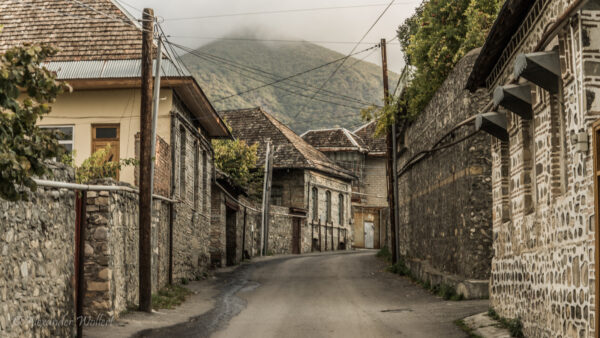
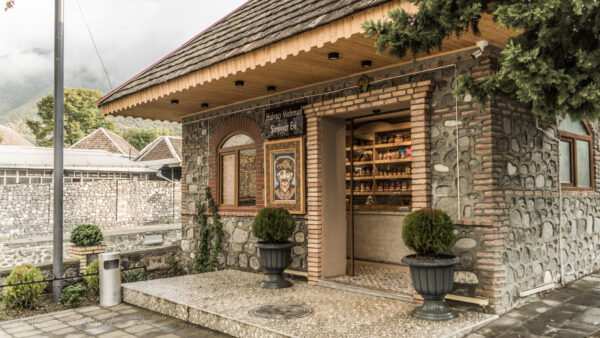
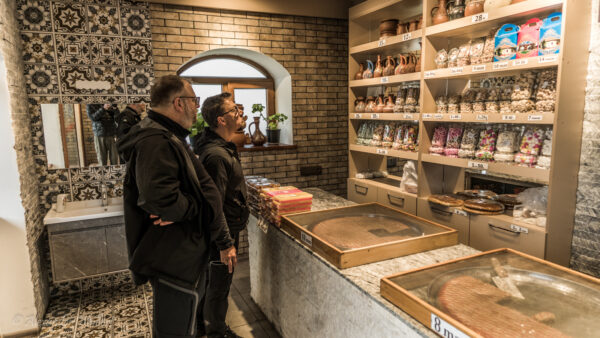
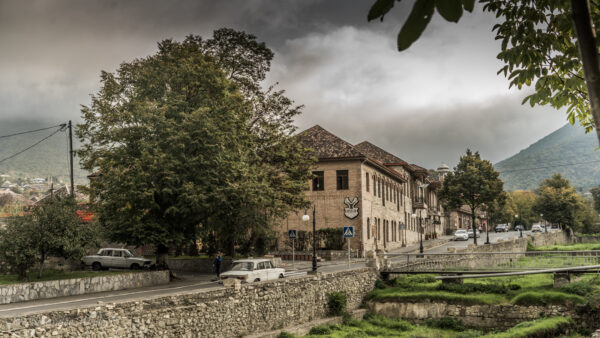
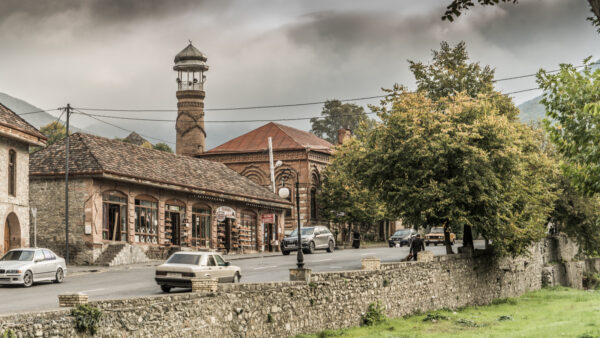
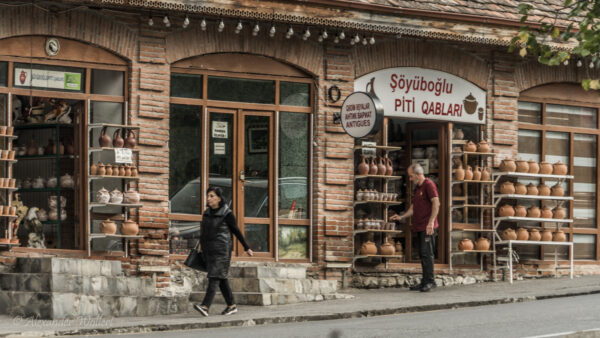
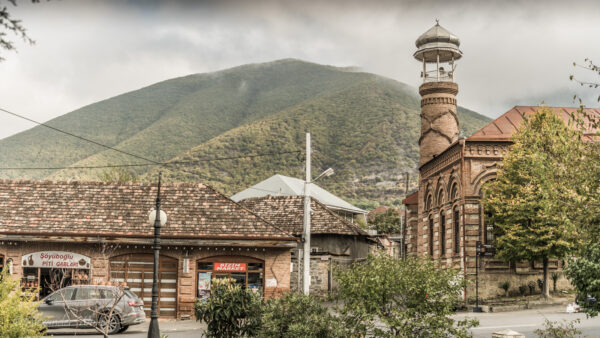
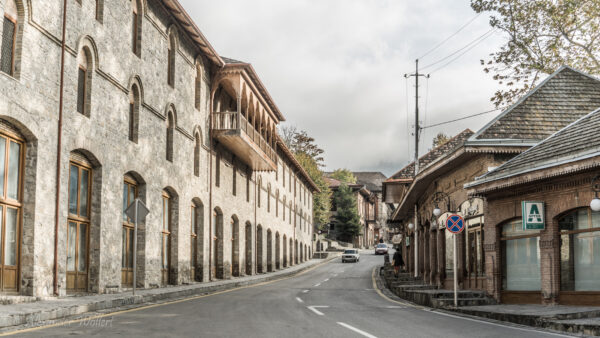
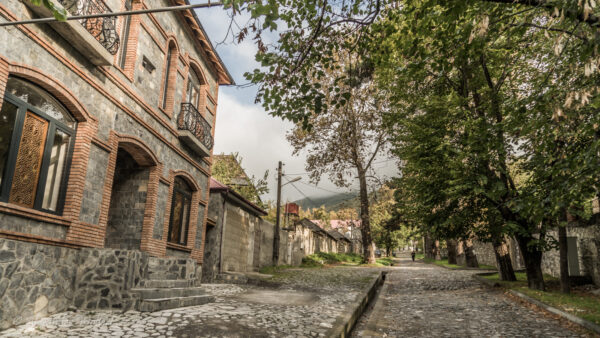
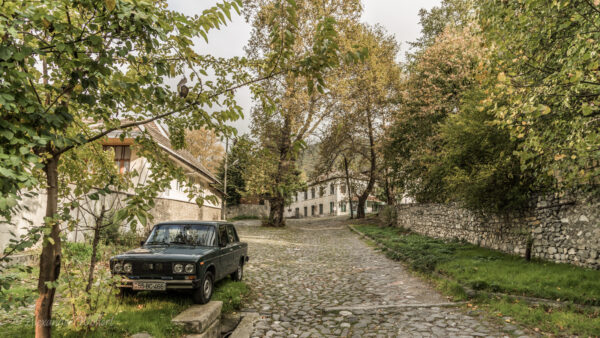
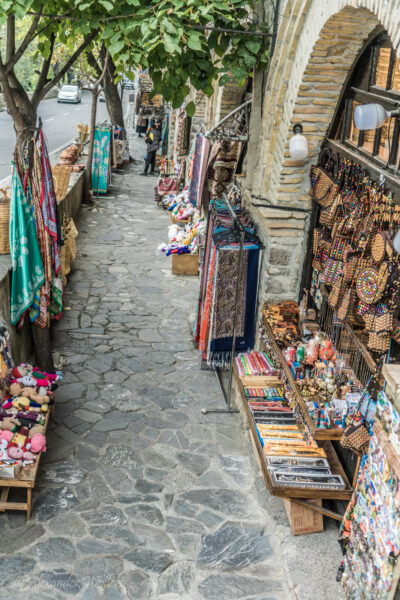
We’re exploring Sheki. Our accommodation isn’t far from the historical sights, so we can take a pleasant walk through the town to get there. Sheki is also known for its sweets. There are numerous shops selling halva (nougat) in many varieties, for example, with different nuts and fruits.
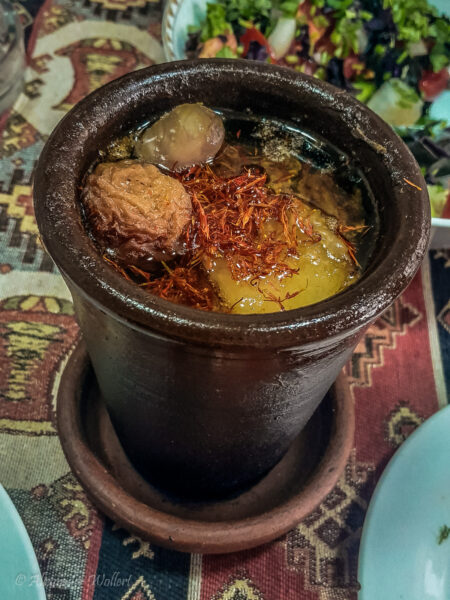
Sheki is also known as the origin of the dish “pitty,” which we’ve enjoyed several times now. I know it from Iran as “dizy.” A stew of meat and vegetables is prepared in small clay pots and cooked for a long time before being opened and eaten with bread. You can buy these clay pots on every corner here.
The meaning of Sheki
Sheki is one of Azerbaijan’s most historically significant cities and was a central hub along the Silk Road for centuries. Its location on the southern edge of the Greater Caucasus Mountains led to its early development into an important trading center, where silk, spices, and handicrafts were exchanged. Merchants from Persia, Central Asia, and the Mediterranean shaped the city’s cosmopolitan life.
Sheki gained particular importance in the 18th century as the capital of the Khanate of Sheki, which at times enjoyed considerable political independence. The famous summer palace of the Sheki Khans also dates from this period.
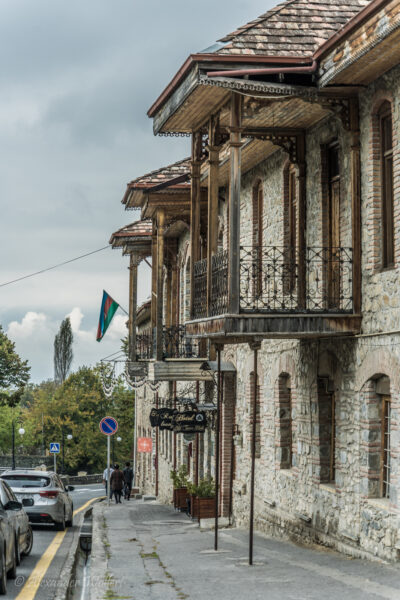
Besides trade and politics, Sheki was also known for its caravanserais, which offered travelers protection and accommodation and are still preserved today. Despite conquests, political upheavals, and natural disasters, Sheki remained a cultural center. Today, the historic old town, a UNESCO World Heritage Site, stands as a testament to the city’s significant role as a bridge between East and West.
Dieses architektonische Meisterwerk mit farbenprächtigen Glasfenstern und kunstvollen Wandmalereien spiegelt den Reichtum und den kulturellen Anspruch der Stadt wider.
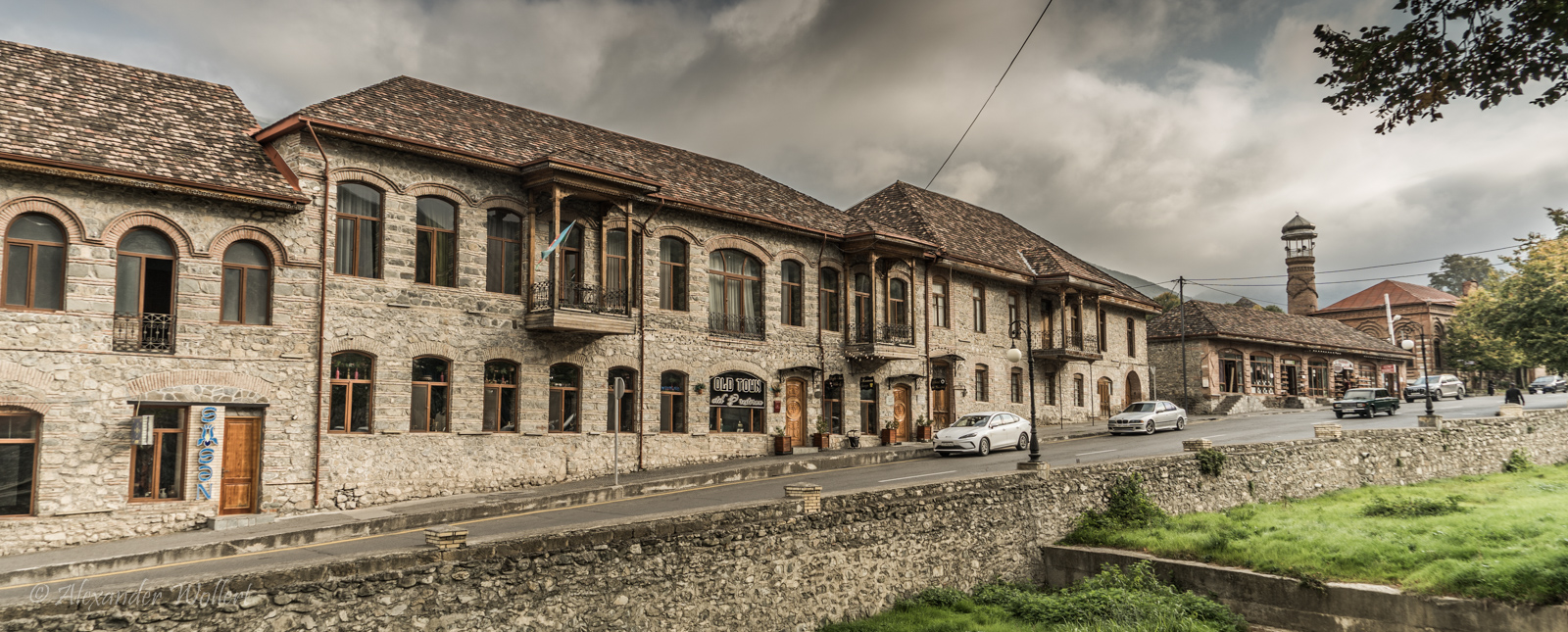
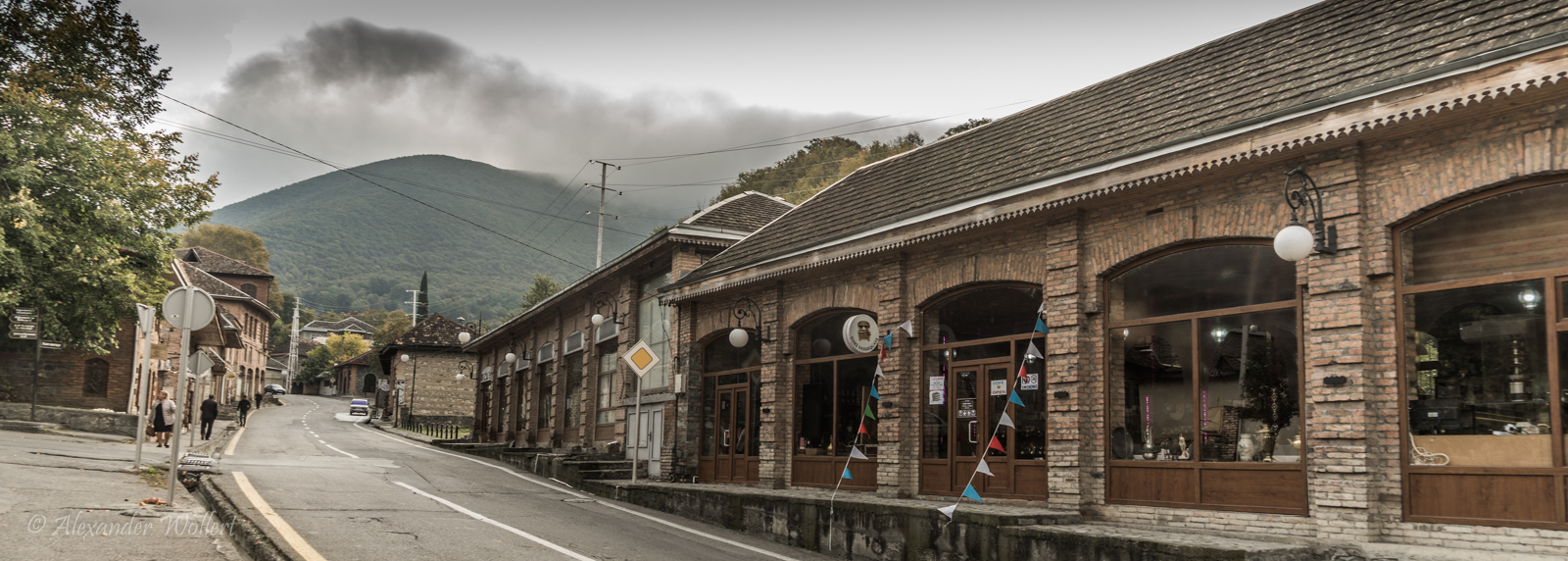
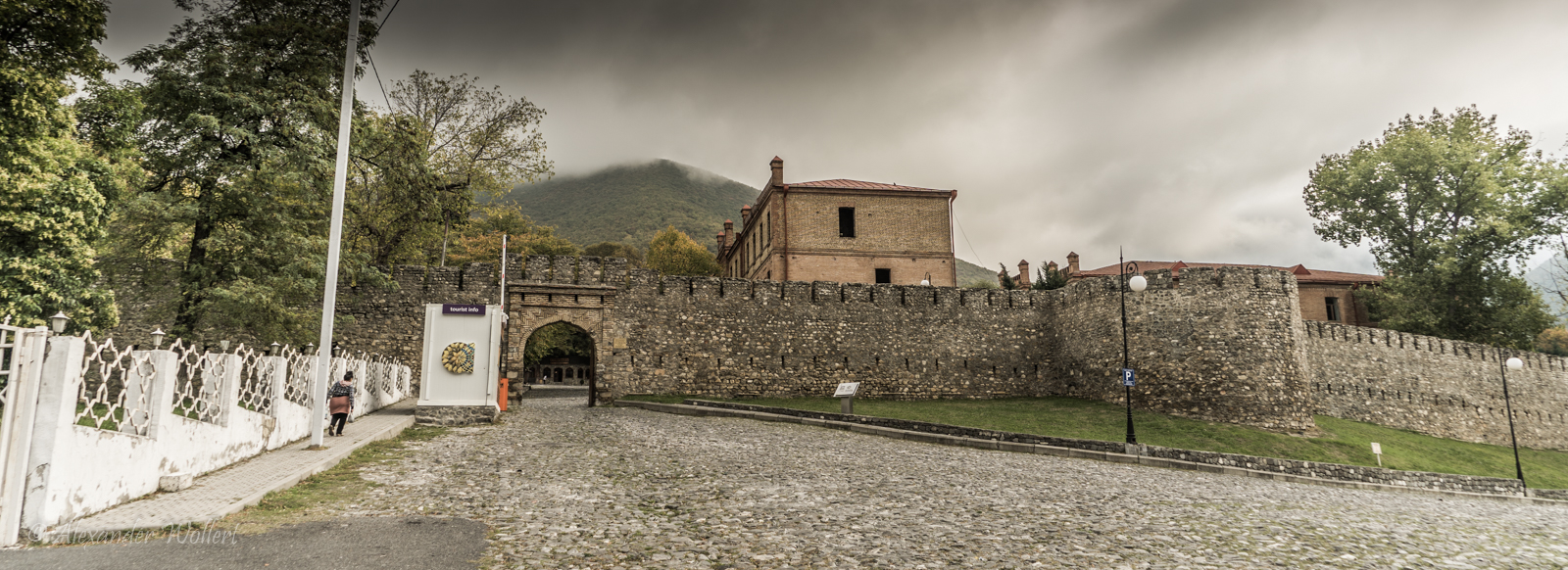
We walk uphill, passing the city’s historical landmarks. First, we want to visit the Summer Palace, the city’s most famous attraction.
Since Sheki is one of the most important tourist destinations in the country, alongside Baku and Gobustan, we try to get ahead of the “tourist crowds”.
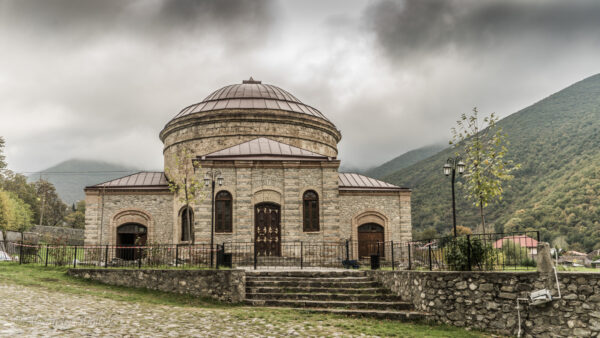
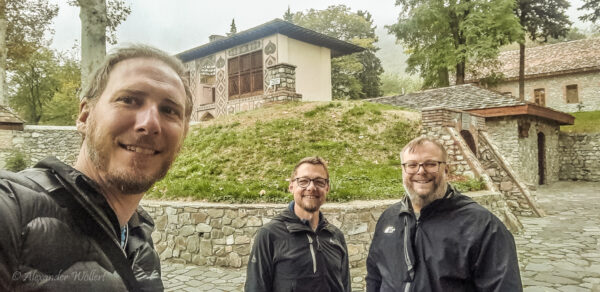
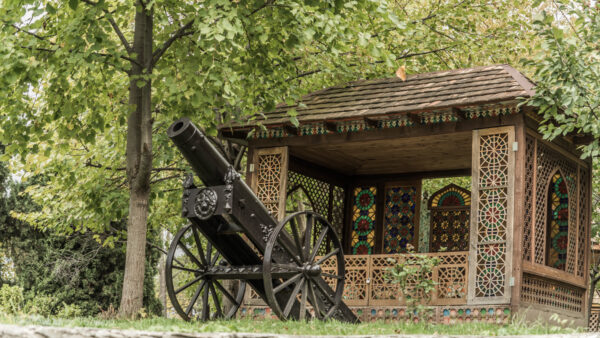
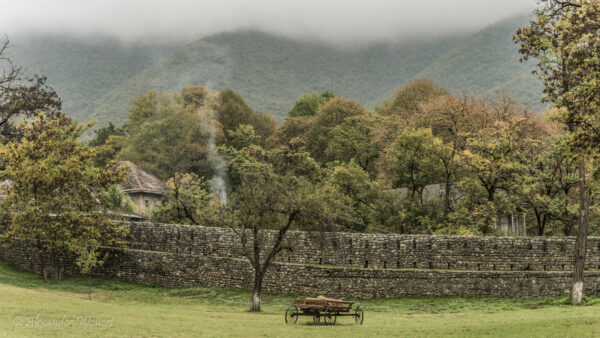
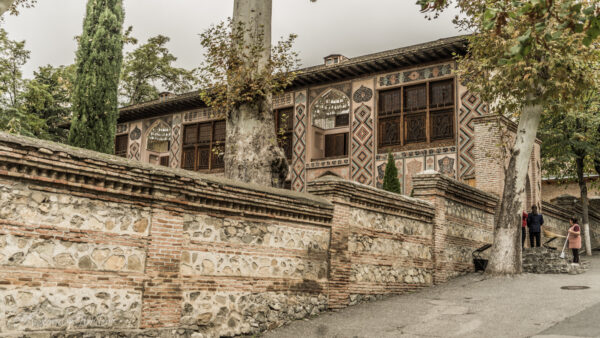
There was a royal government complex, but it was razed to the ground by the Russians in the 18th and 19th centuries. Only a summer palace remains, which we can also visit. The king used to hold audiences there during the summer or retreat there to make political decisions.
The Russians under Tsar Alexander I appear to have caused such widespread destruction that it is no longer even known which buildings once stood here. Works of art and valuable carpets were looted and are presumably now in private Russian collections.
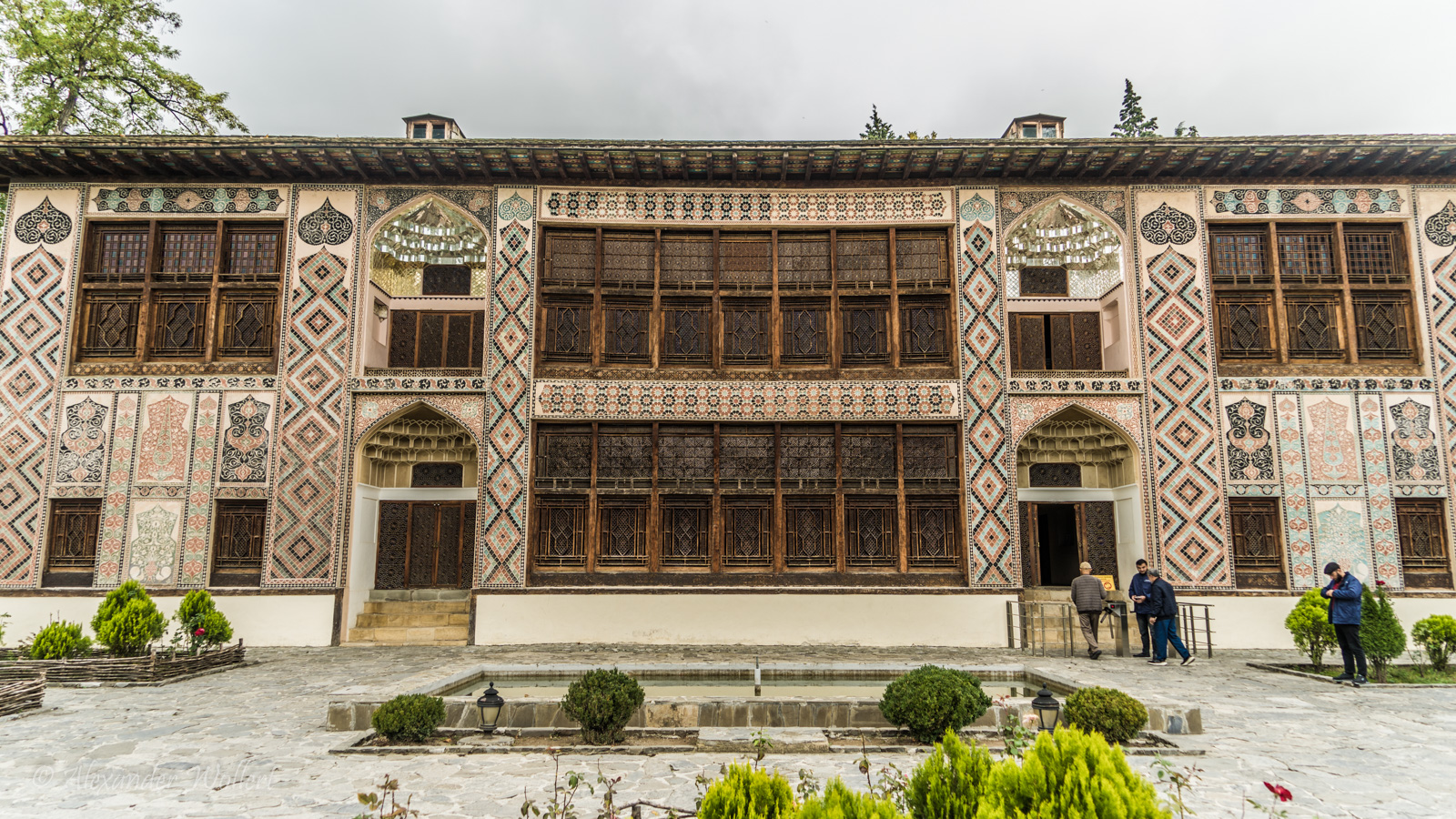
Unfortunately, we are not allowed to take photos inside the Summer Palace during the tour. Our guide vividly explains the history of the building and the functions of the individual rooms. We also learn a great deal about the palace’s eventful past.
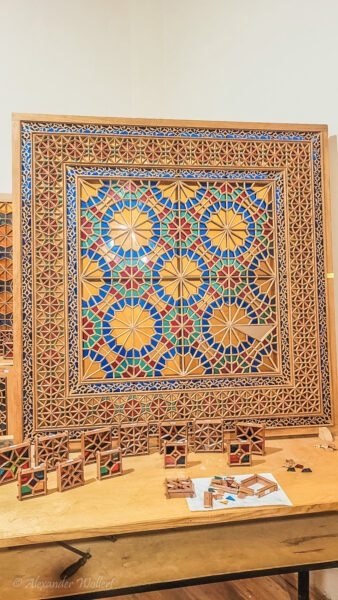
We also learn that all the colorful windows were made without nails, assembled from hundreds of pieces of wood and colored glass. Craftsmen demonstrate this art in small workshops next to the palace and offer small and large pieces for sale.
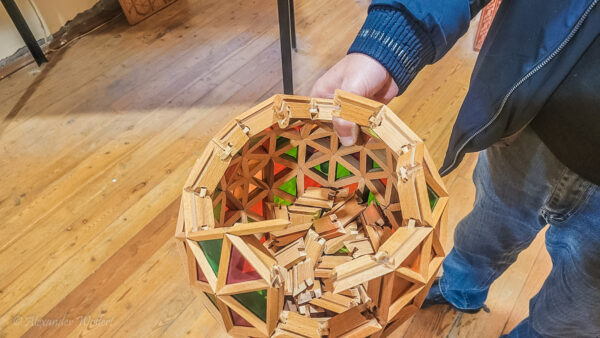
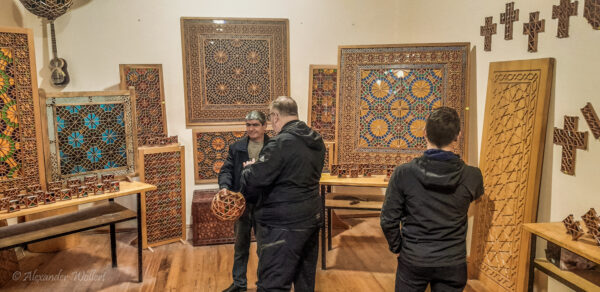
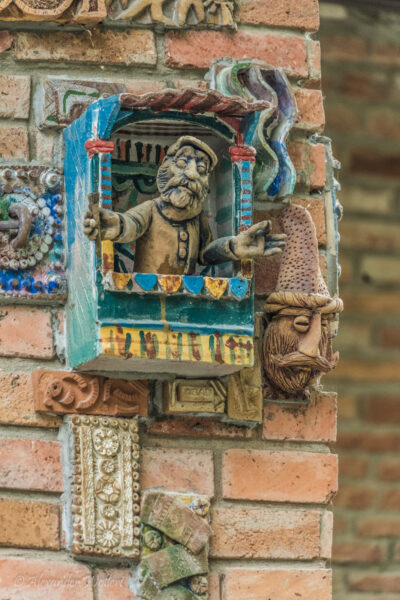
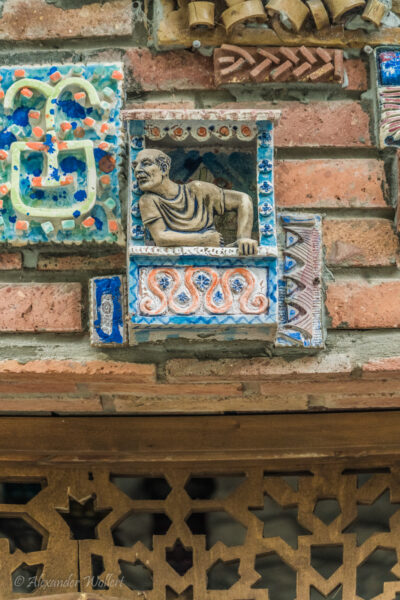
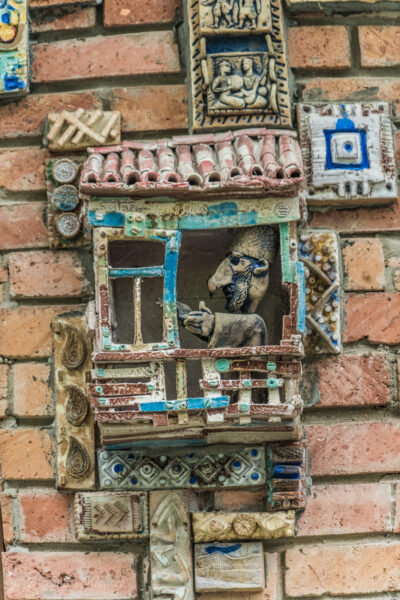
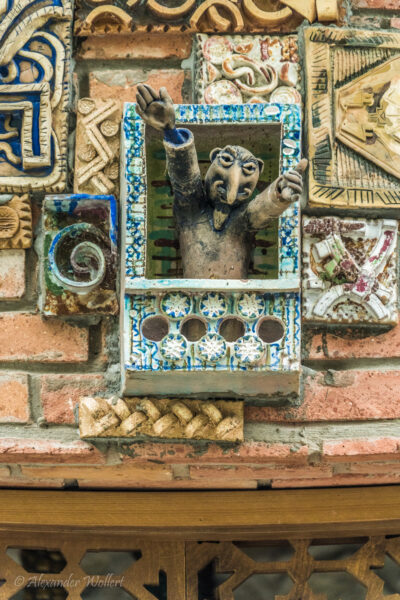
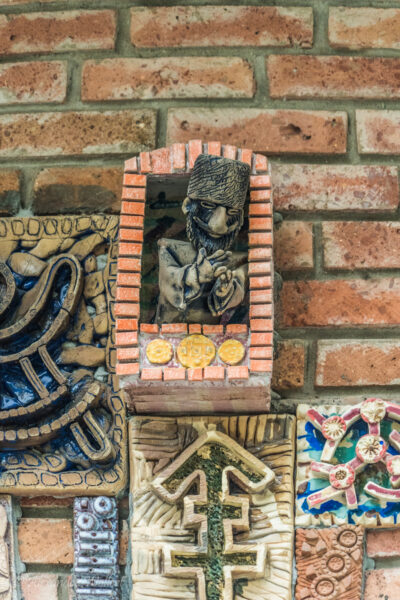
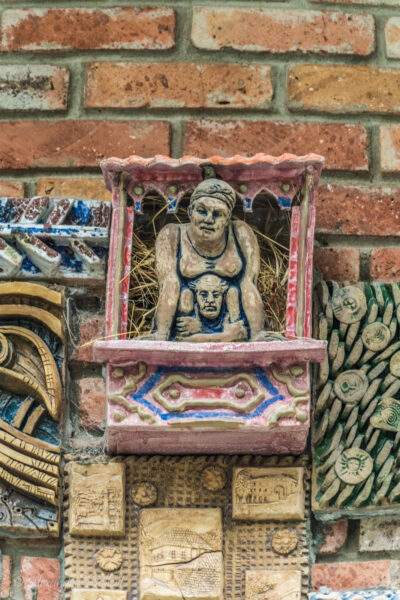
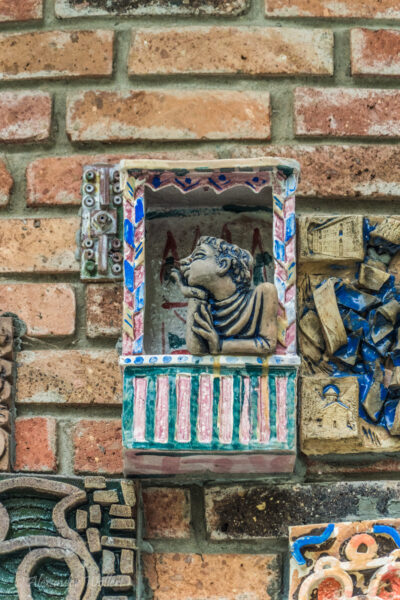
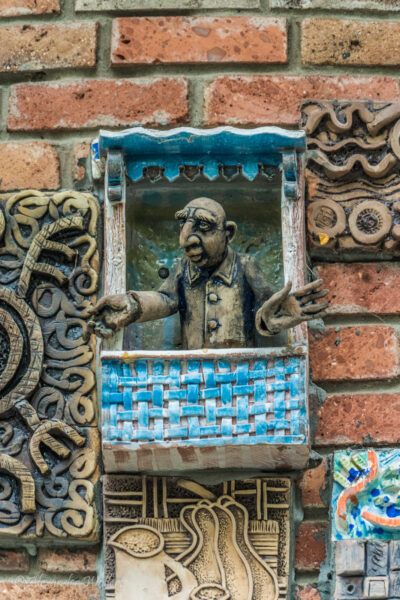
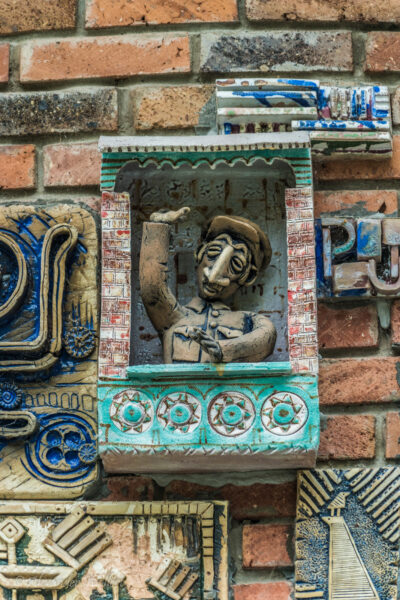
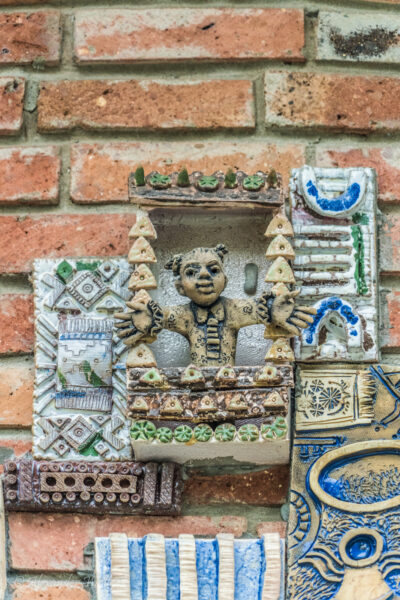
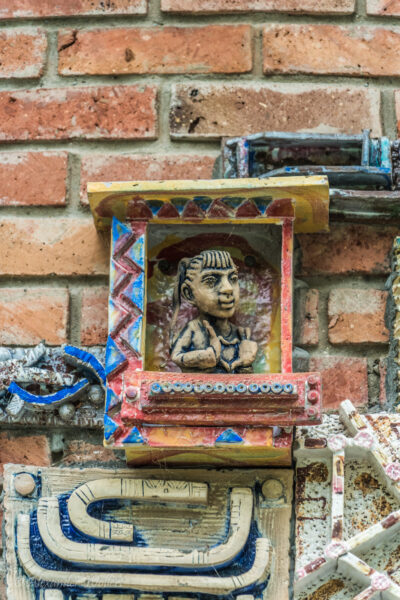
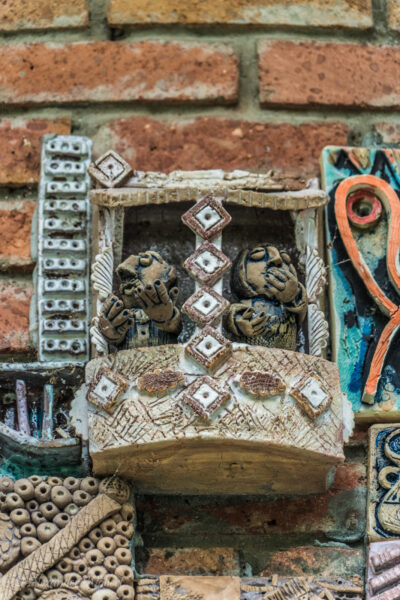
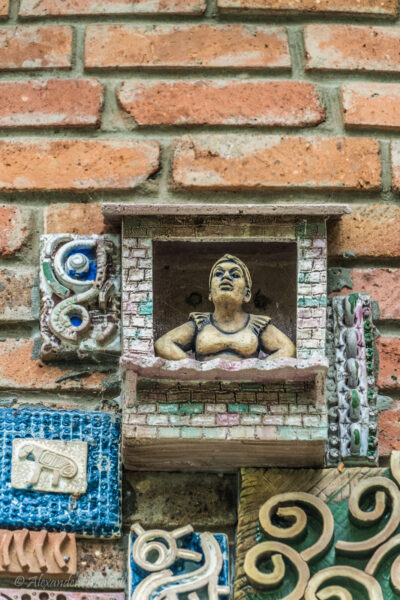
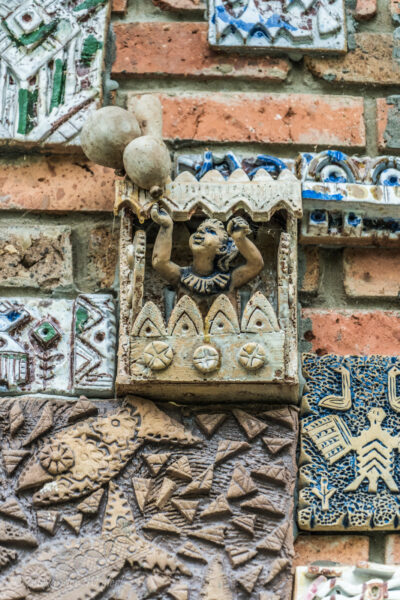
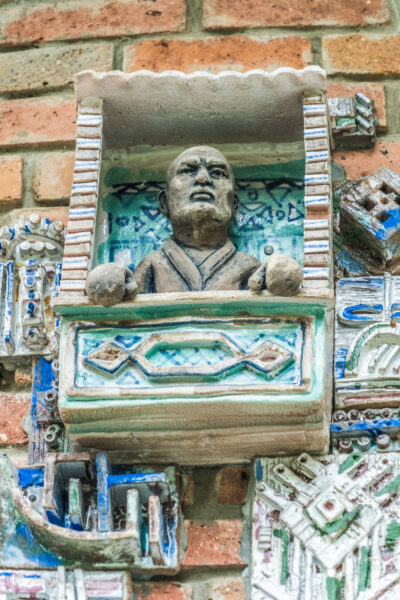
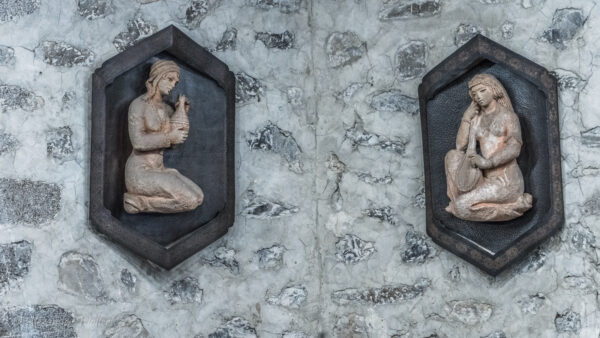
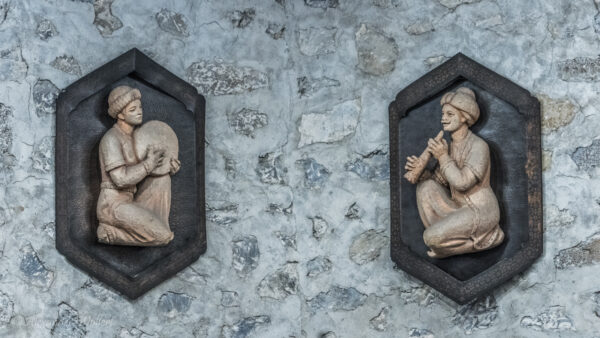
In the palace courtyard, we will come across the beautiful clay figures by the artist Abad (Instagram: @abadmerkez). The pictures and figures are full of fantastic details.
We spend quite some time deciphering the amusing scenes depicted by the little ceramic protagonists, and I want to take a picture of each figure.
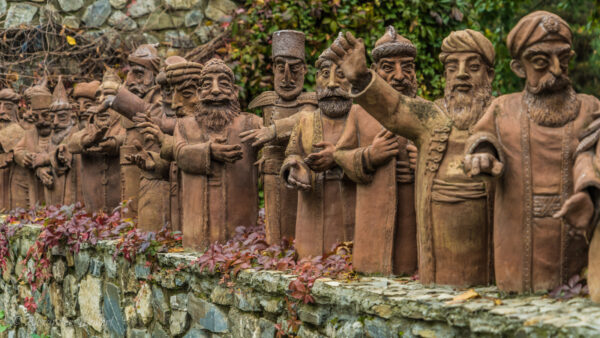
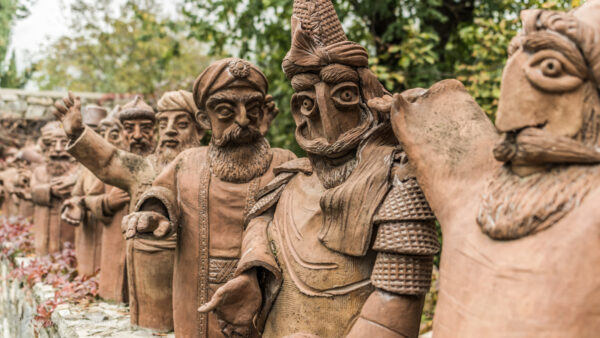
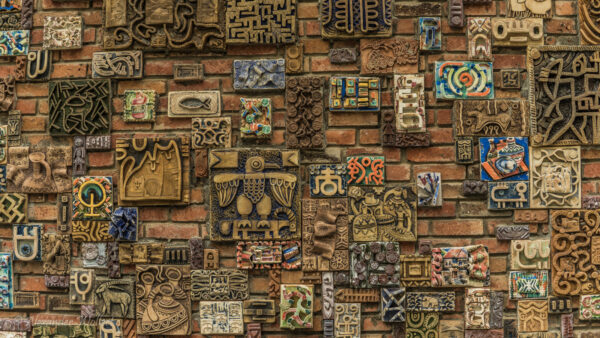
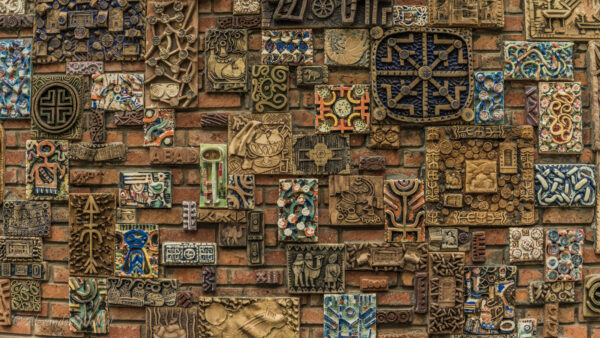
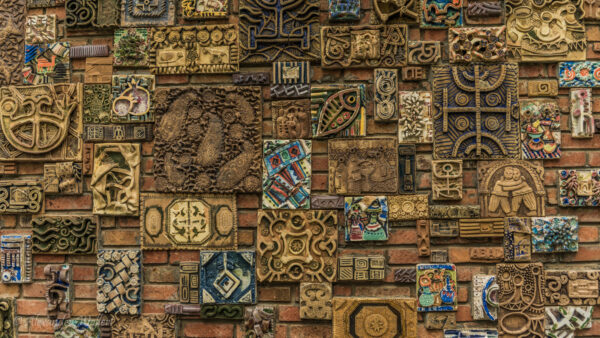
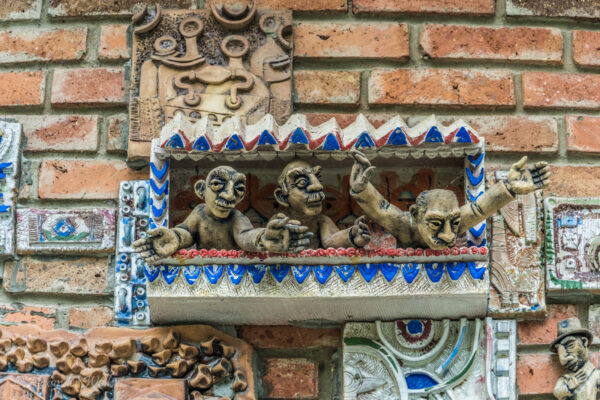
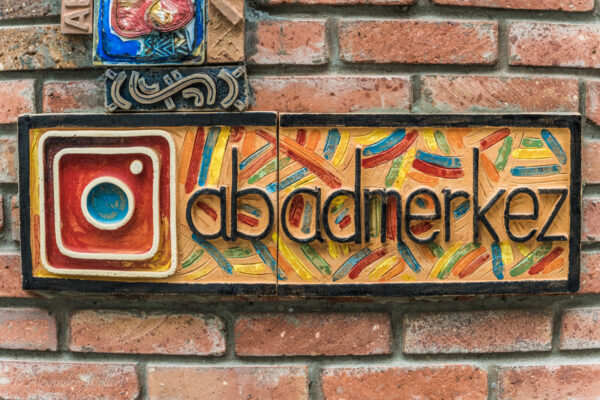
The characters are so funny and full of detail that I can’t stop looking!
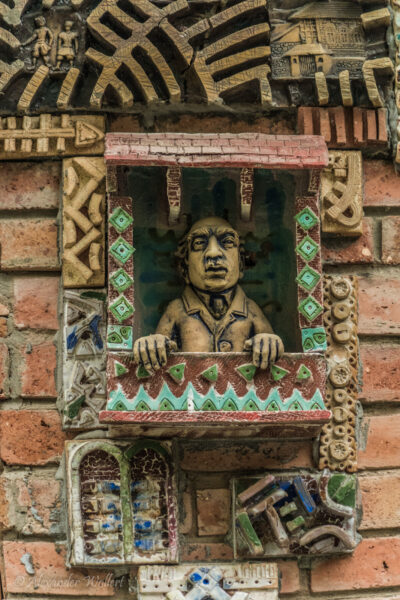
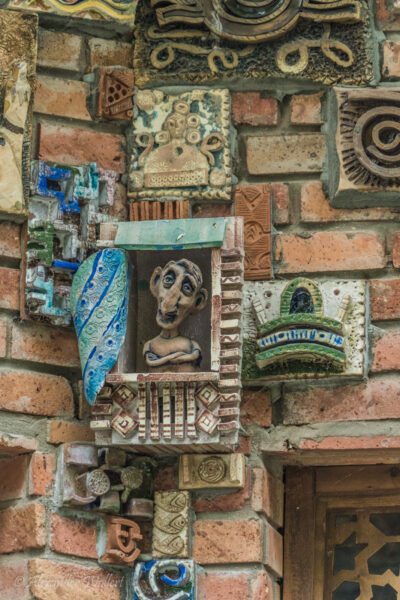
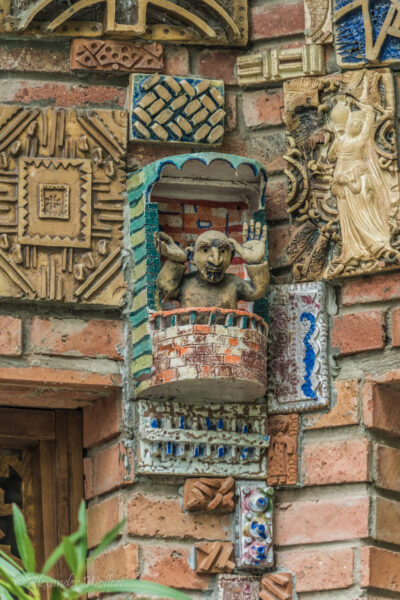
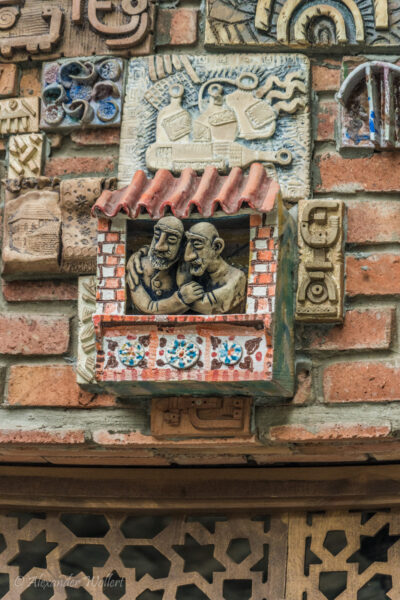
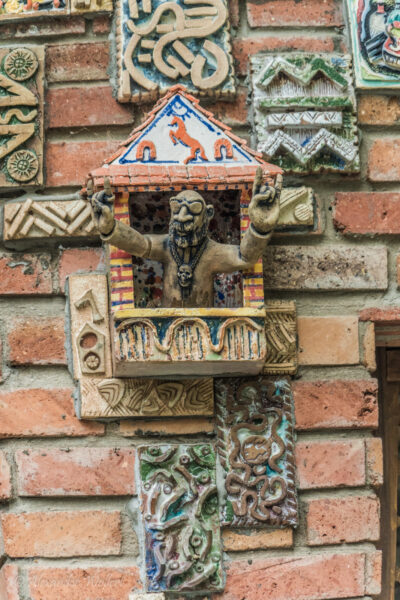
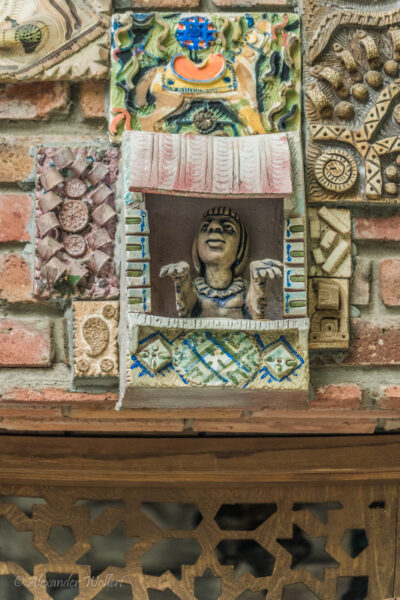
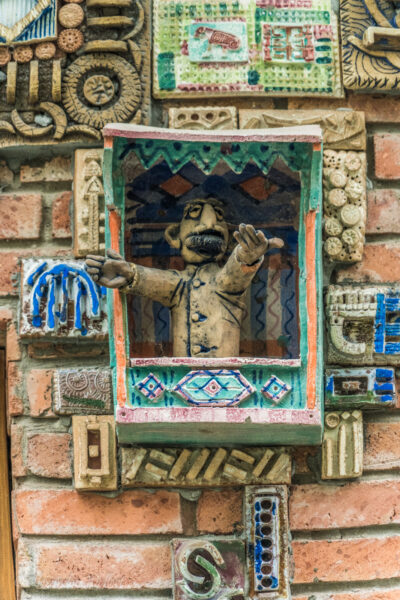
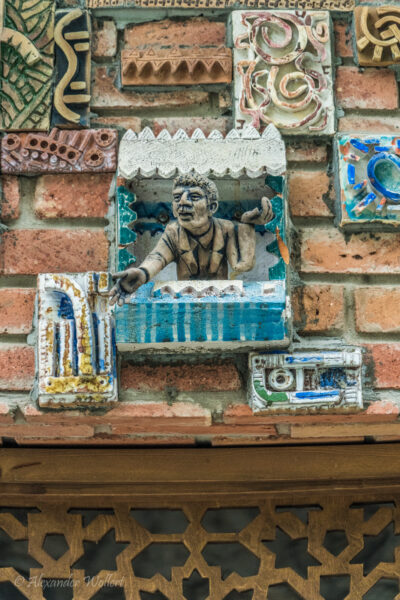
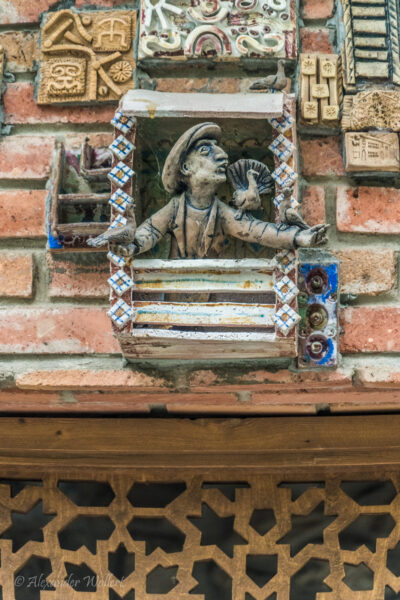
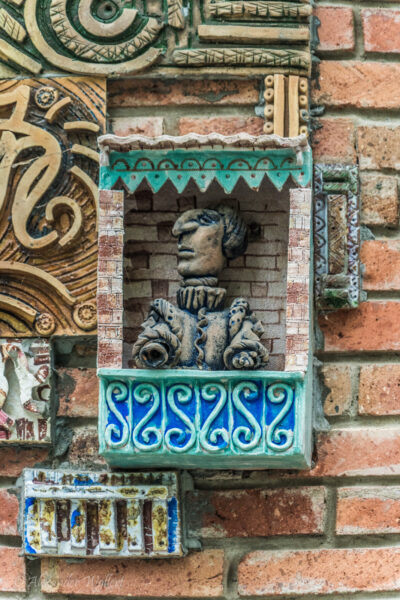
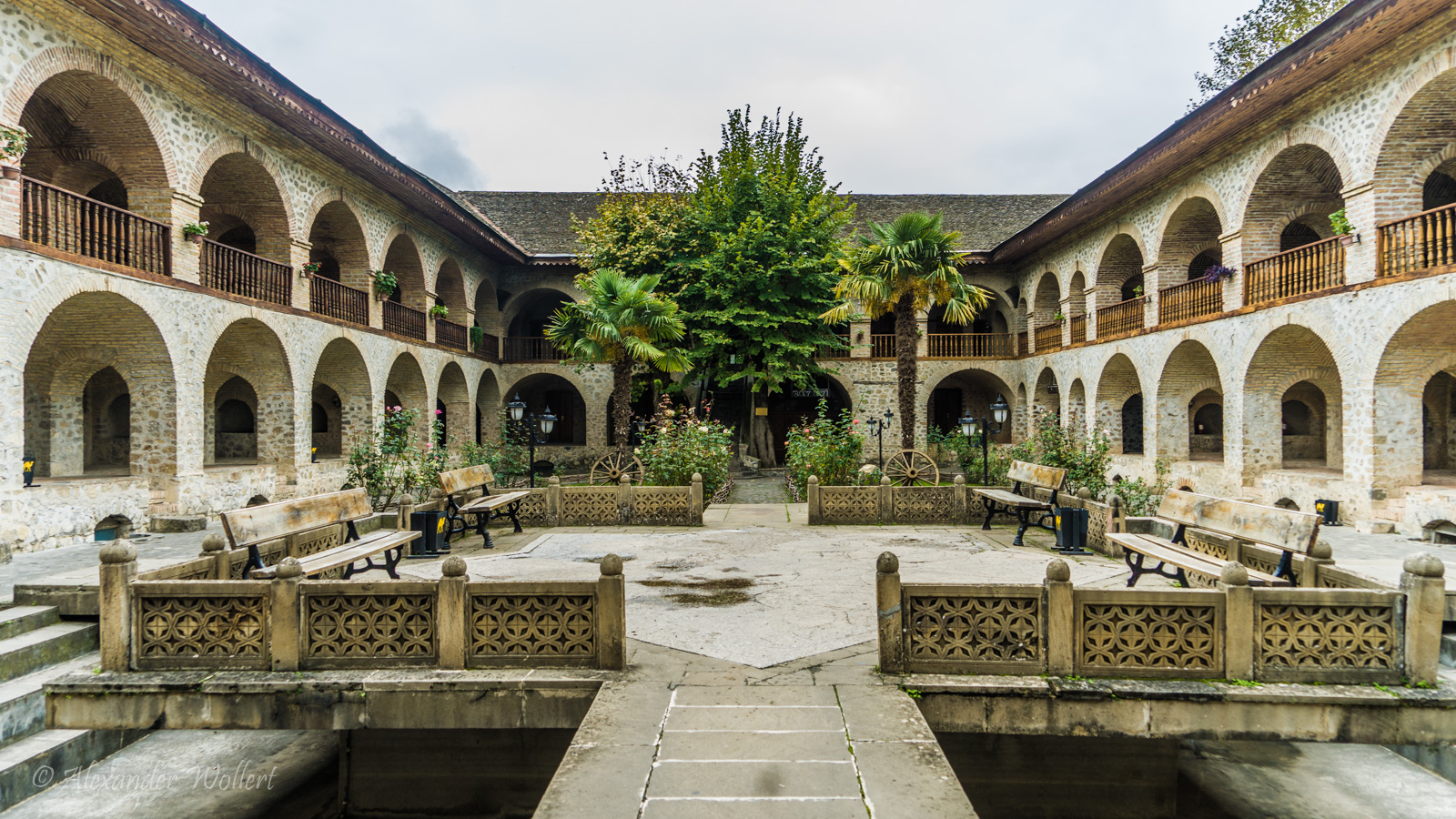
Long ago, the city was the largest trading center along the Silk Road in this part of the Caucasus. Two remarkable caravanserais remain: the Lower Caravanserai (Aşağı Karvansaray) and the Upper Caravanserai (Yuxarı Karvansaray). Their names reflect their mountainous location.
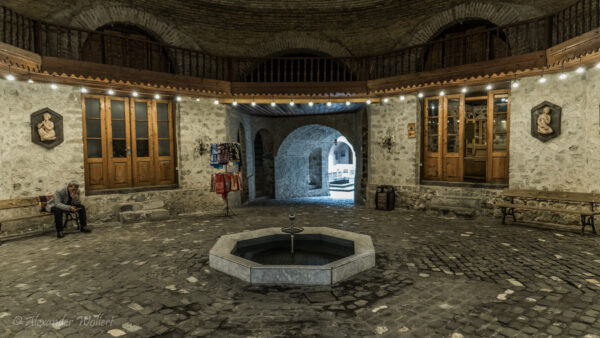
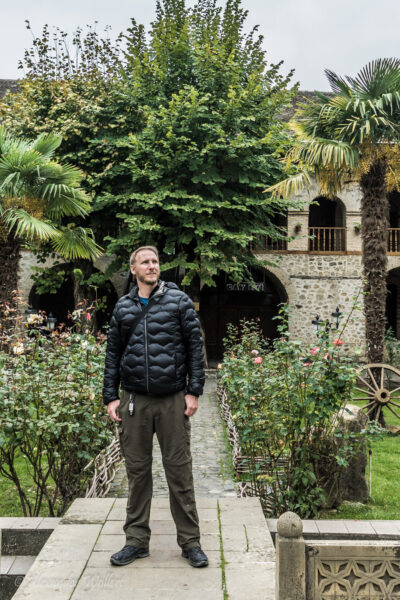
We can only enter the Upper Caravanserai. It’s now a hotel, and the ground floor is also open to visitors who aren’t staying there. It’s an amazing building that has been beautifully renovated. I can easily imagine merchants stopping here at this “caravan motel” in the old days.
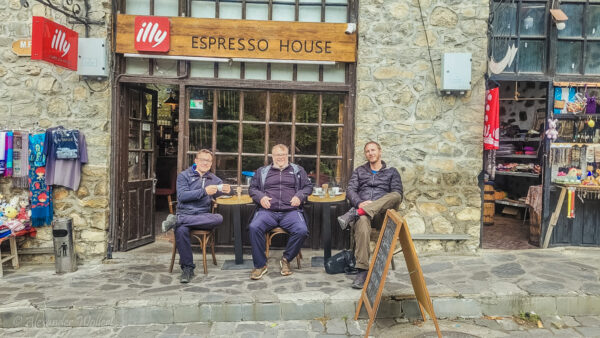
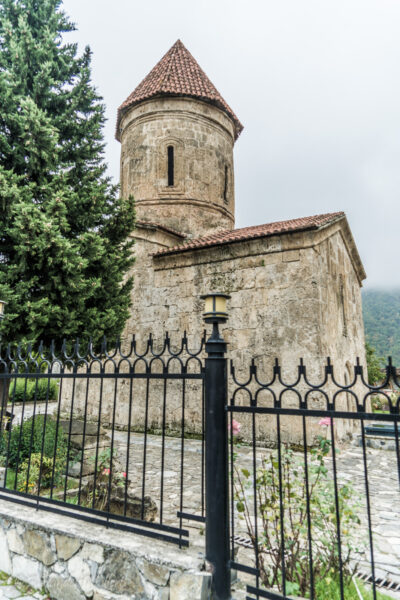
We made a detour to the small town of Kish (Kiş) in the north, but there wasn’t much to see besides an Orthodox church, which was being overrun by a group of Chinese tourists when we arrived. We had expected too much from the guidebook’s glowing reviews.
According to our hosts, we absolutely must continue on to Qakh (Qax). We had originally planned to turn back after Sheki, but the elderly couple convinced us to drive those extra kilometers, so we saddled up the car and set off!


