
Diary Entry
We spent our night under the starry sky in the mountains. The next morning, clouds had rolled in and it was noticeably colder. A man in an old green Lada appeared in the mountain mist and showed us his flat tire. Just then, a young man in a tractor appeared, bridged the gap between the two tires with a hose, and inflated the small car’s tire with the pressure from the tractor’s large tire, allowing the man to continue driving. He still gave us a pomegranate, even though we hadn’t been able to help.
Some time later we reach the next village, where the people look at us rather curiously, but wave back. Since we haven’t had breakfast yet, we look for a café.
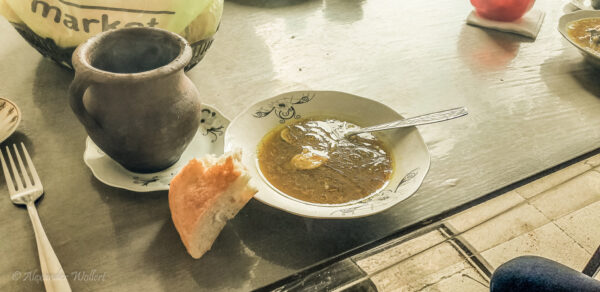
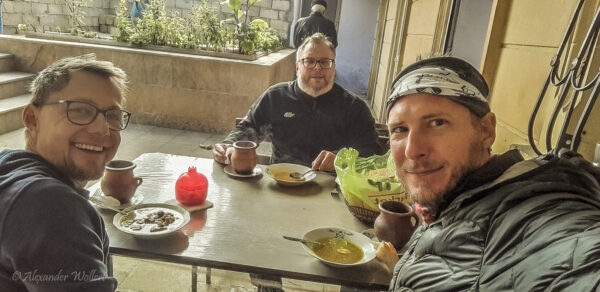
We actually find a place where men are playing dominoes outside and a young man is handing out tea. Here too, people are surprised, but with a few Russian words, we also get tea and “piti” to eat. It’s a small stew in a clay pot, which I recognize from northern Iran as “dizi“.
We pass through more villages and see farmland all around us. I’ve spotted a place on the map where we can see small towers that served as mausoleums. They’re described there as the tombs of Kelakhana.
The route on the map suddenly leads us out of a field path and across the fields, but the farmer doesn’t seem to mind.
These little towers are really pretty in the landscape, and a few men are currently repairing one of these buildings, which is in danger of collapsing. They have already repaired three more; we can still see two others as ruins.
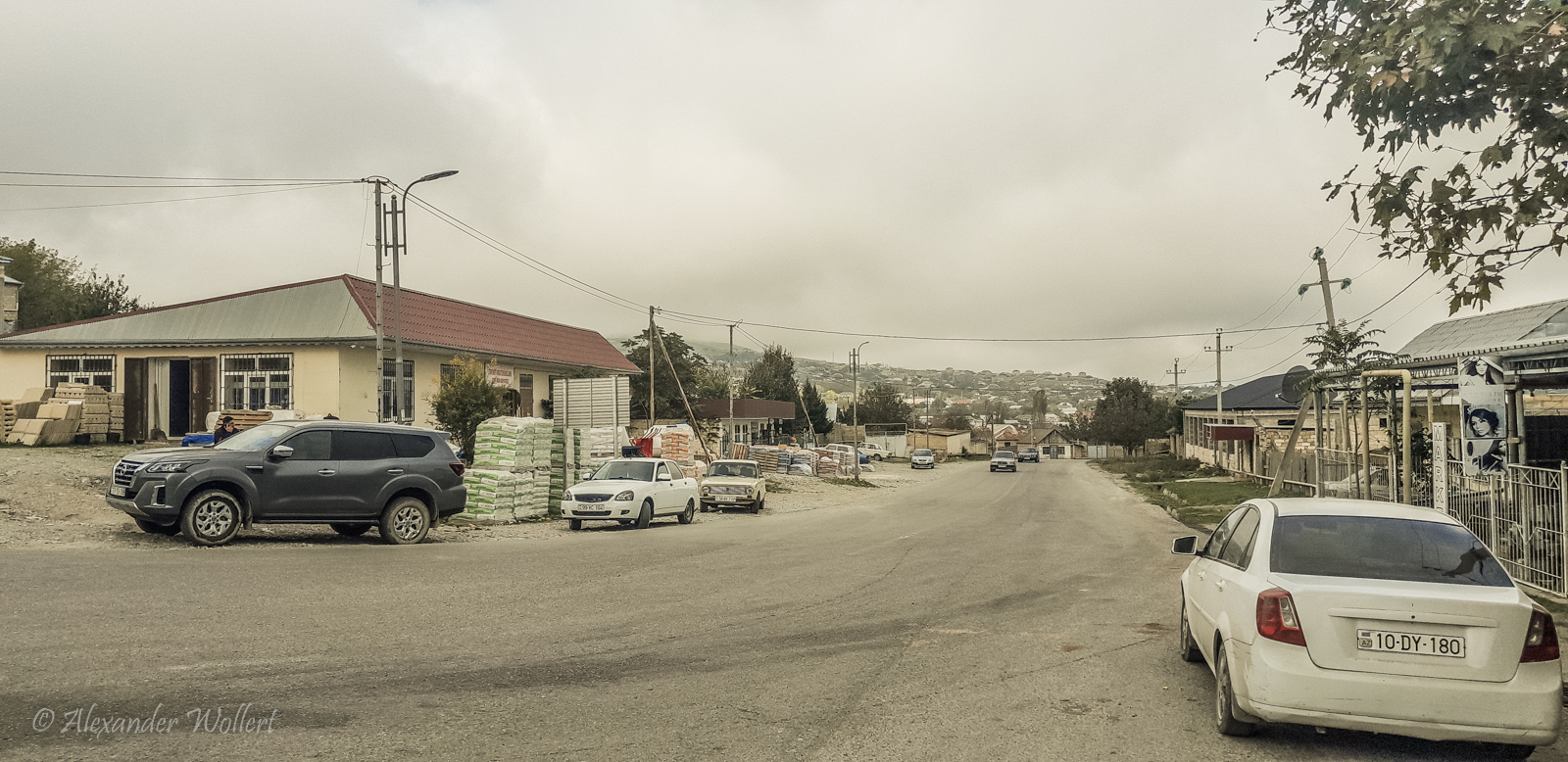
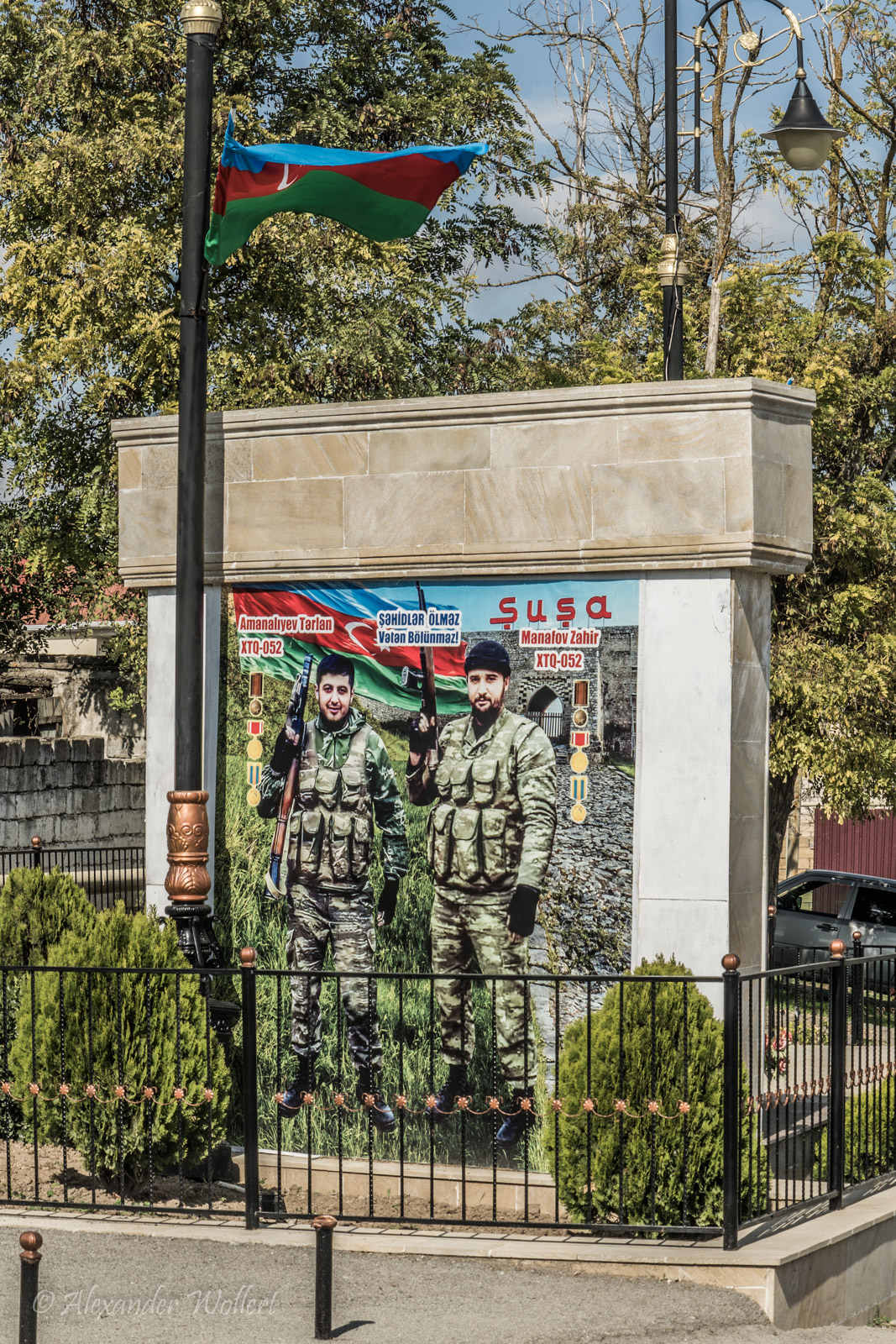
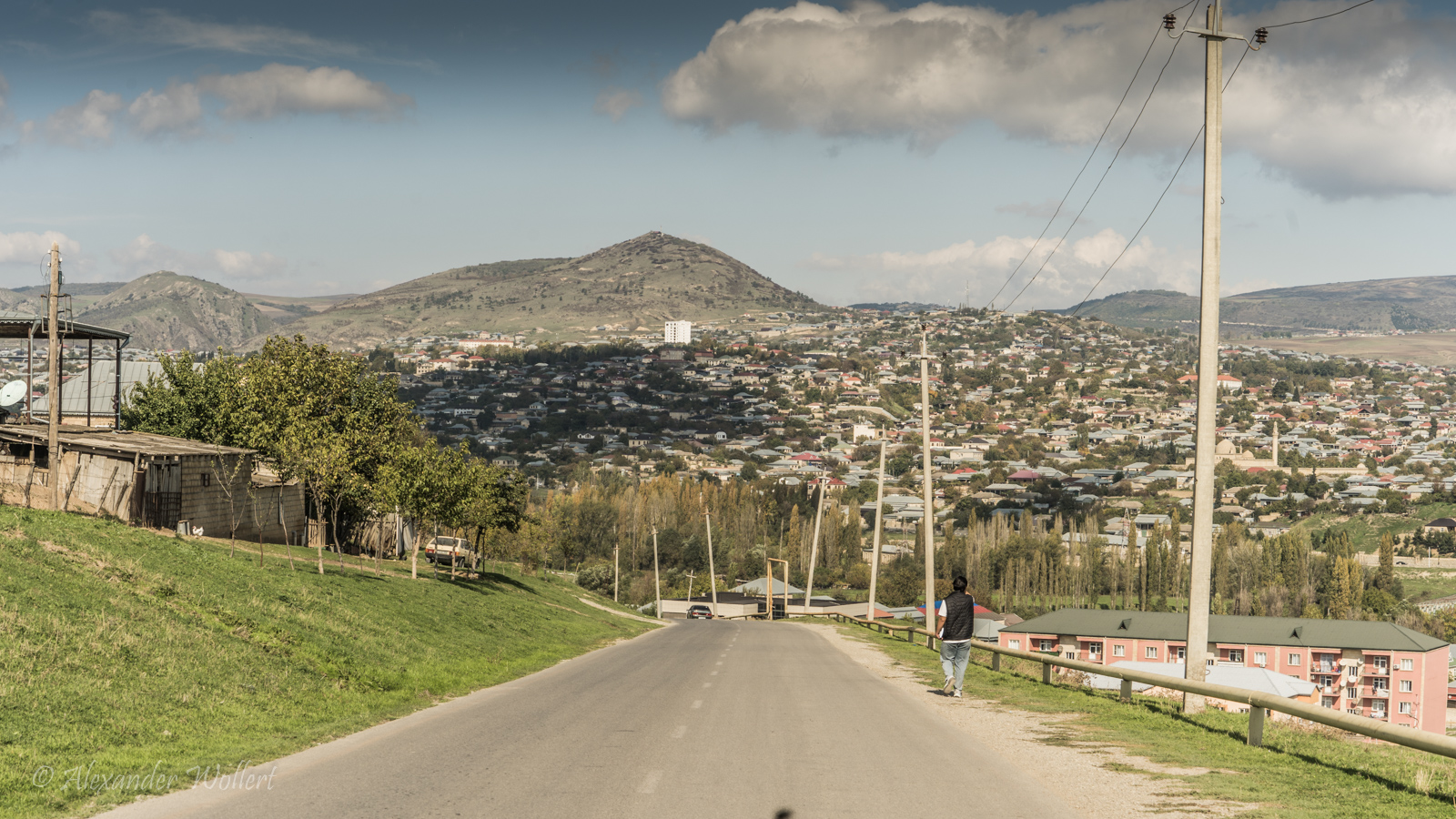
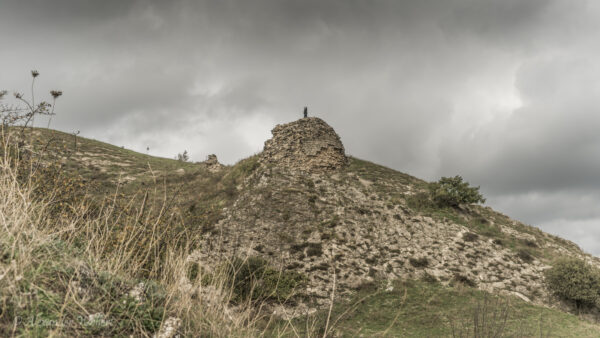
We crossed the mountain and reached the town of Shamechi (Şamexi). We only ran a few errands there, but we also visited the Gulustan Castle ruins. Because of my injured ankle, I couldn’t climb all the way to the top, but I still enjoyed the scenery.
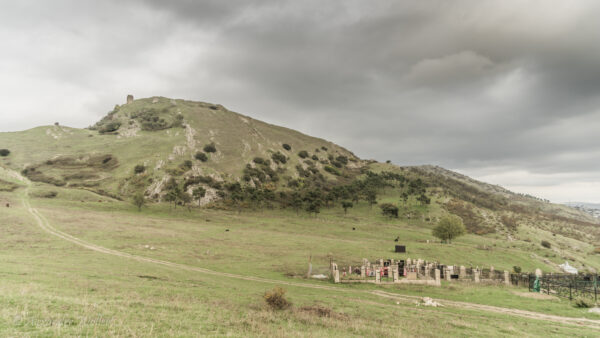
We park the car at a cemetery and hike uphill through a lush green meadow, past grazing cows. Since we drove over the mountains to Gobustan, the landscape has suddenly become very green.
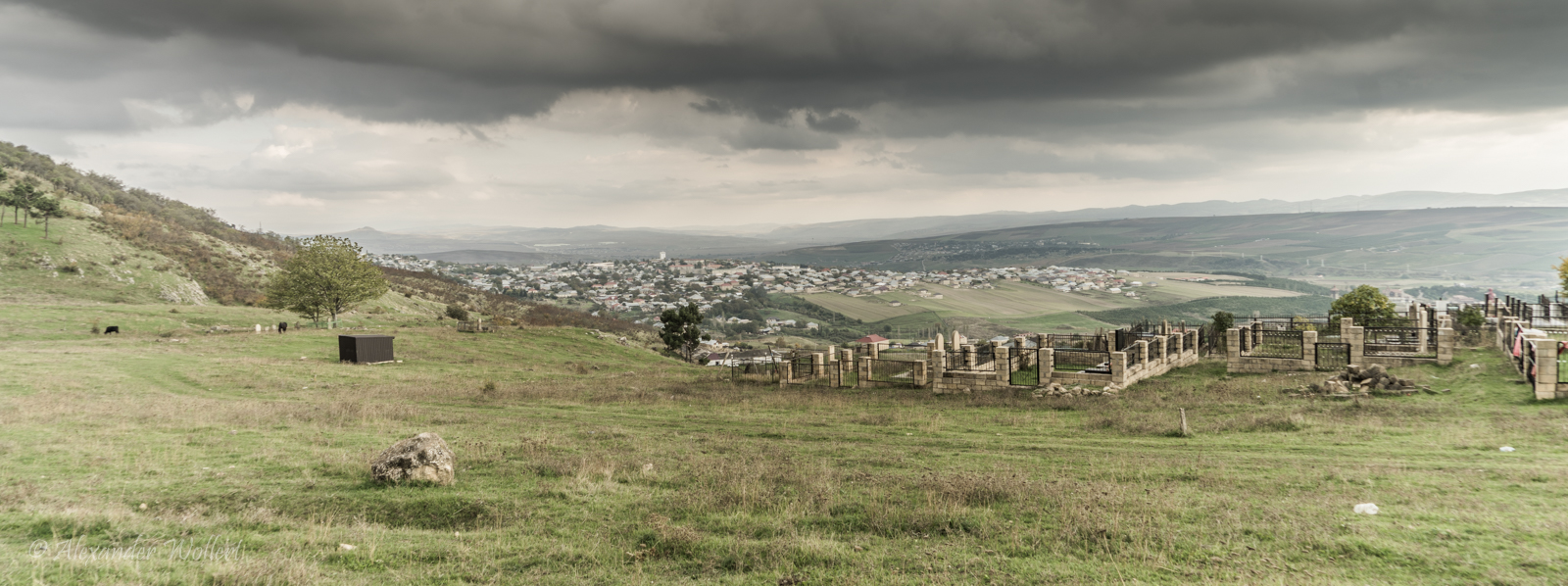
Old cemeteries and castle ruins – we remember our trip through Scotland.
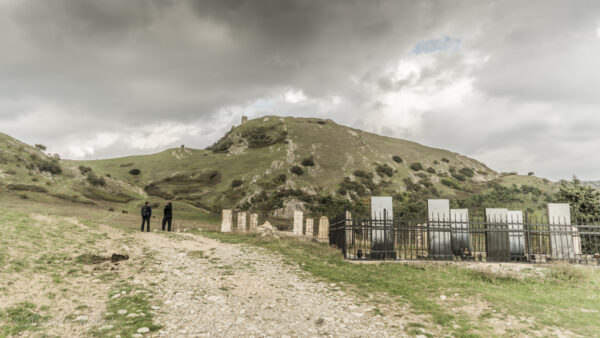
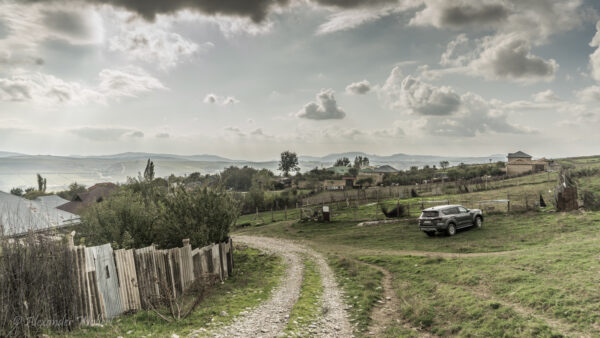
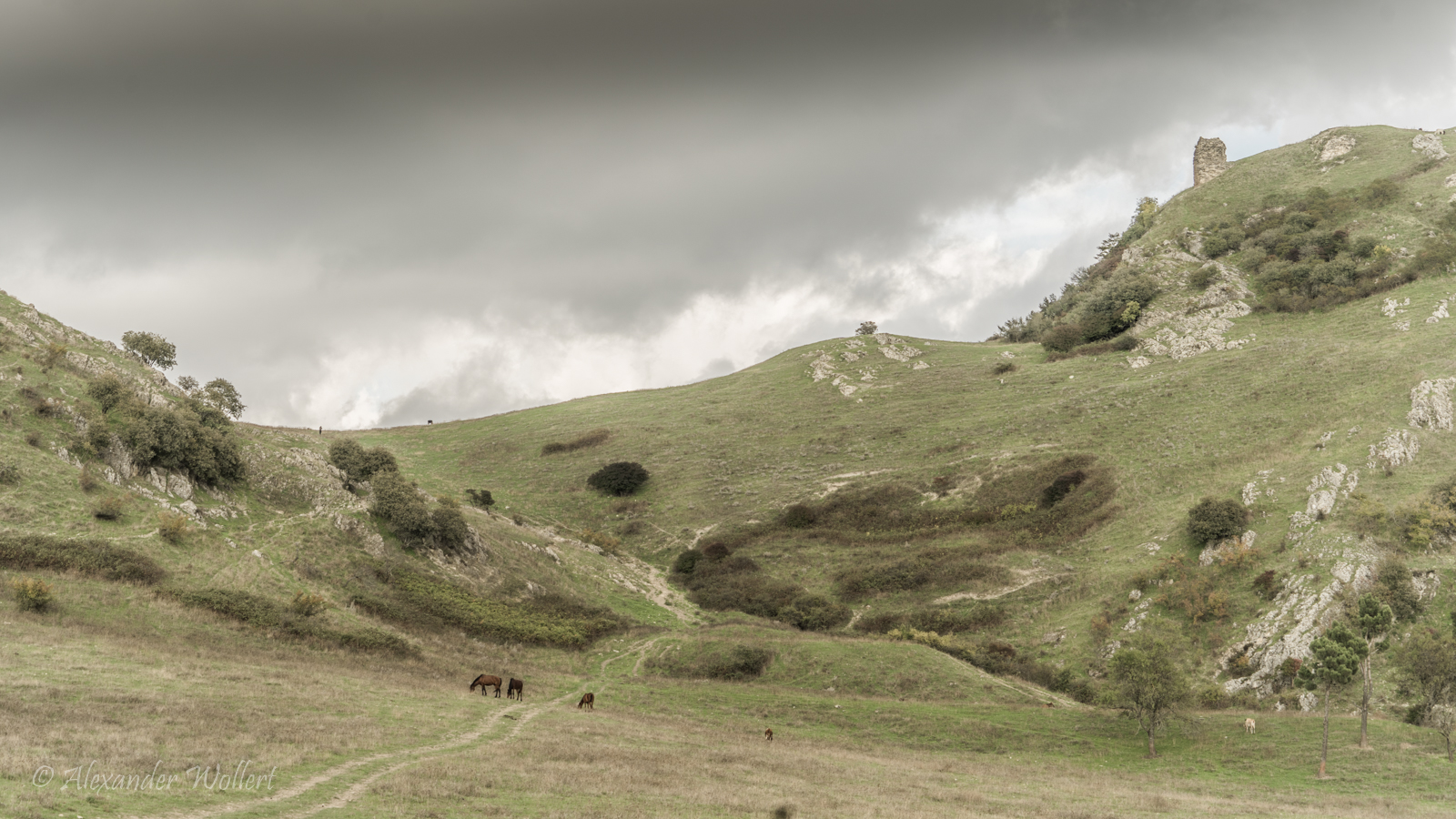
Gulustan, Qobustan, Gobustan… it’s easy to get confused…
I’m going out with Uwe and Chris, as far as my injured leg allows. The wildlife is diverse. On the one hand, horses and cows graze freely here and have to be gently ushered out of the way. On the other hand, we notice many small creatures scurrying about on the ground.
On closer inspection, we notice that they are spiders. Large spiders, with striking patterns. They are swarming here. I look them up and find out that they are Nosferatu spiders.
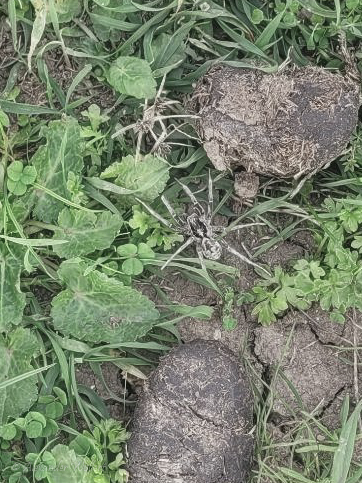
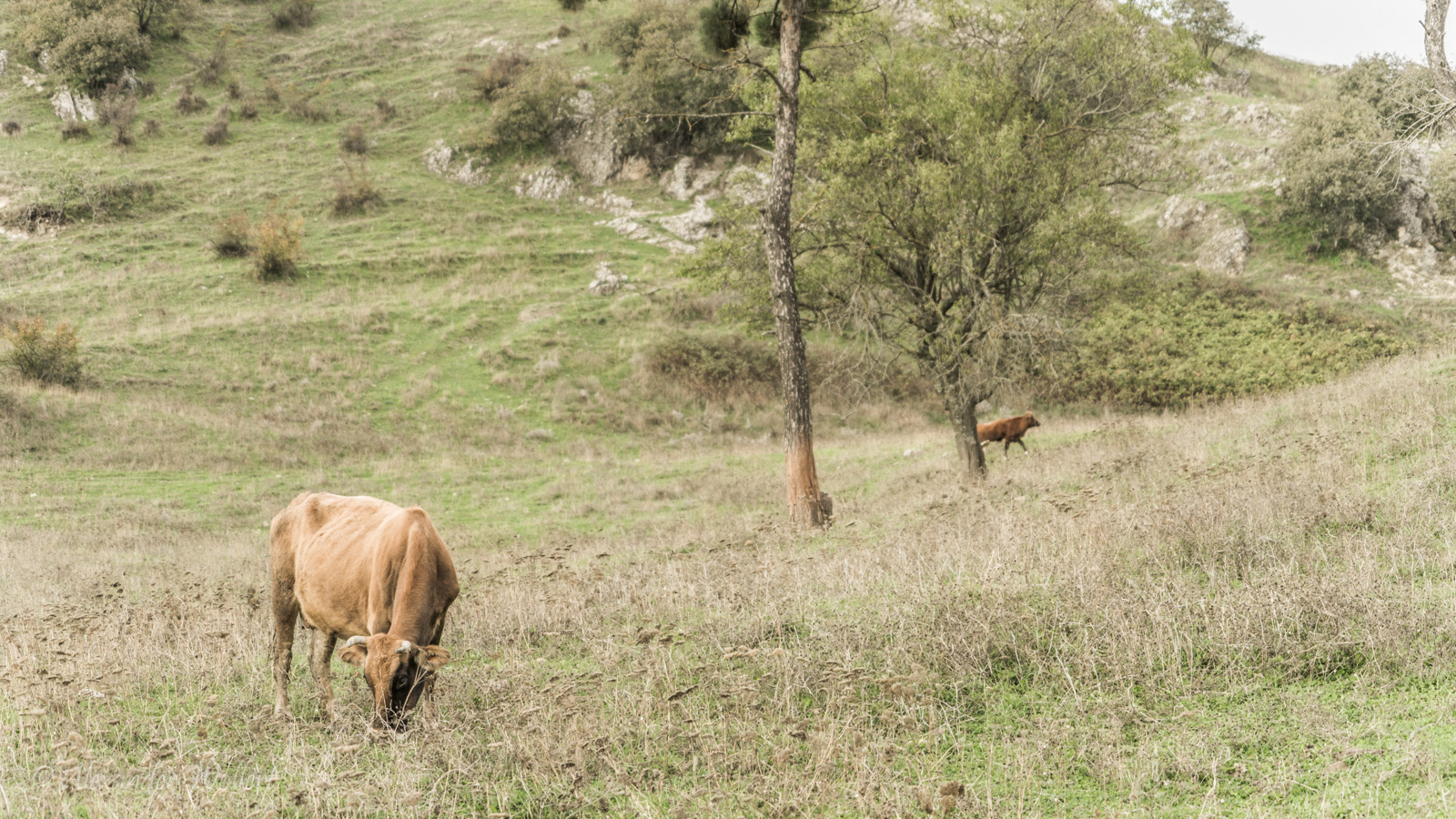
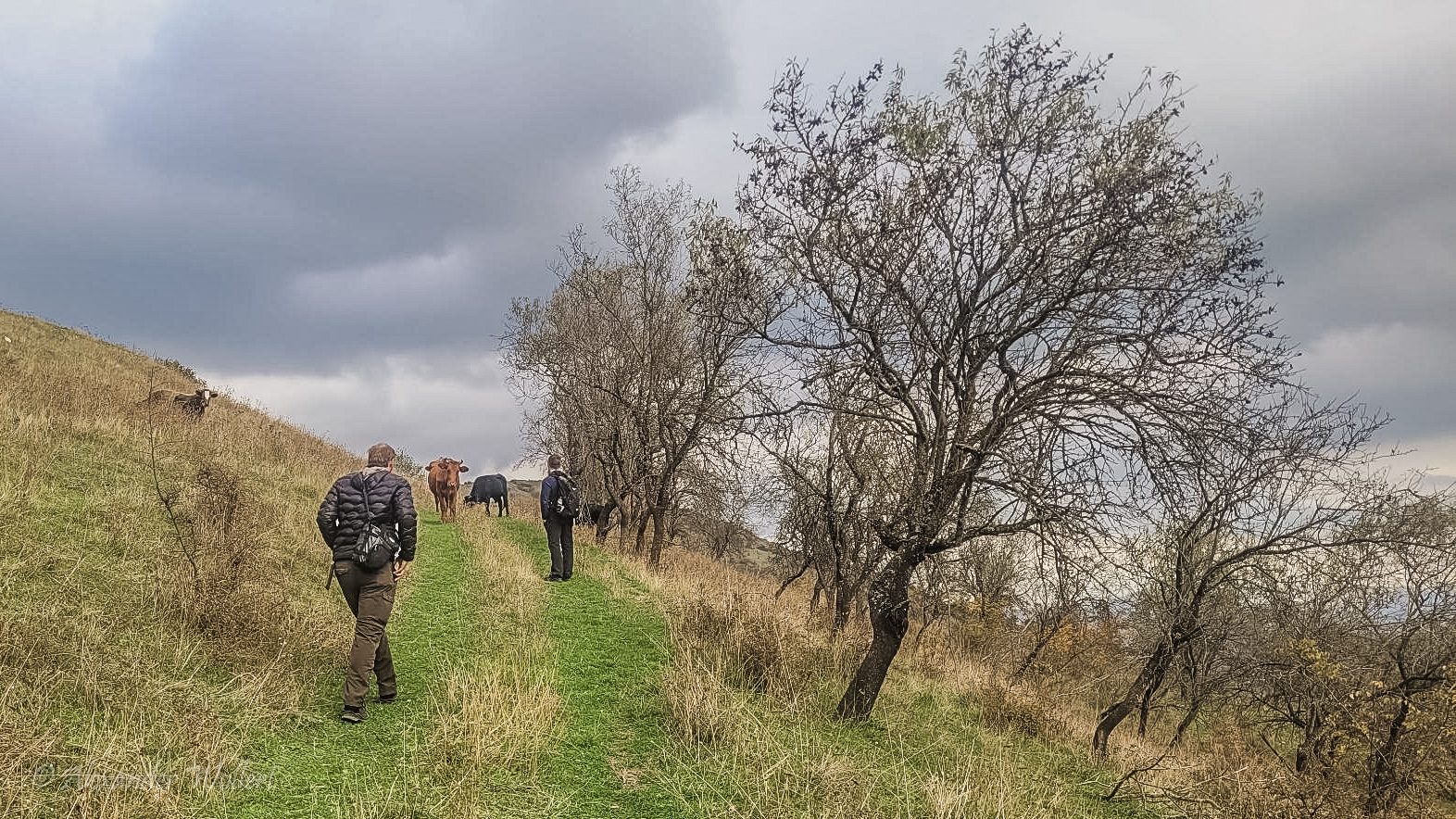
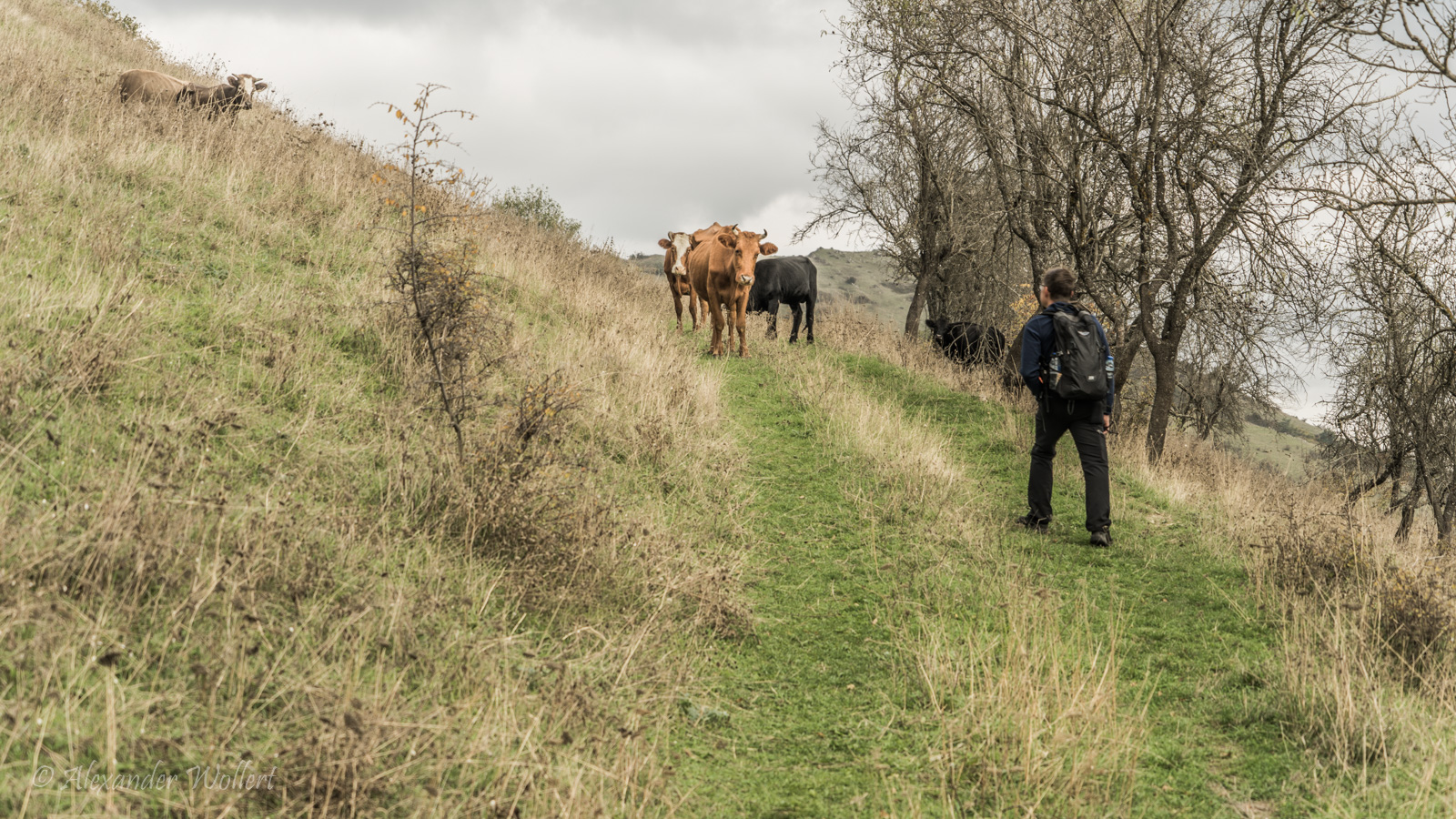
Cows and Nosferatu spiders
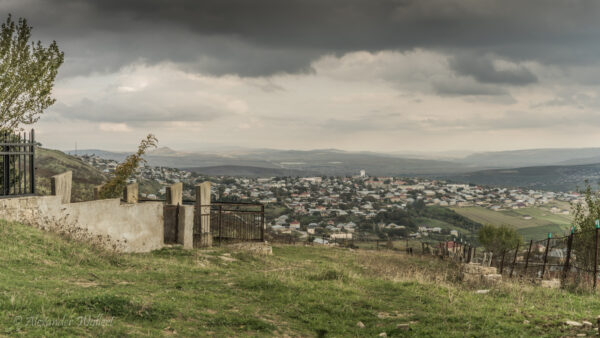
From the mountain we have a great view over the city and the mountain landscape.
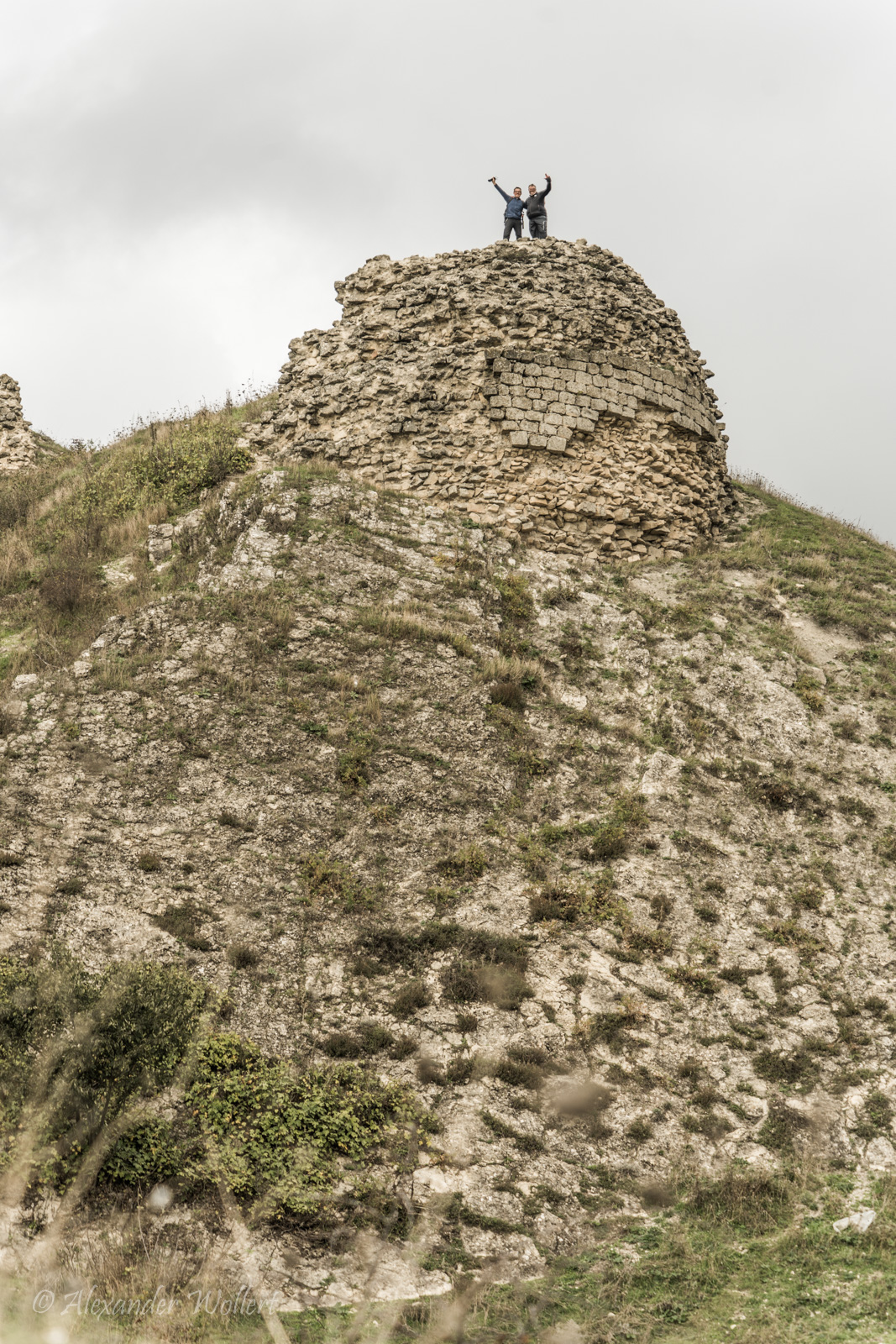
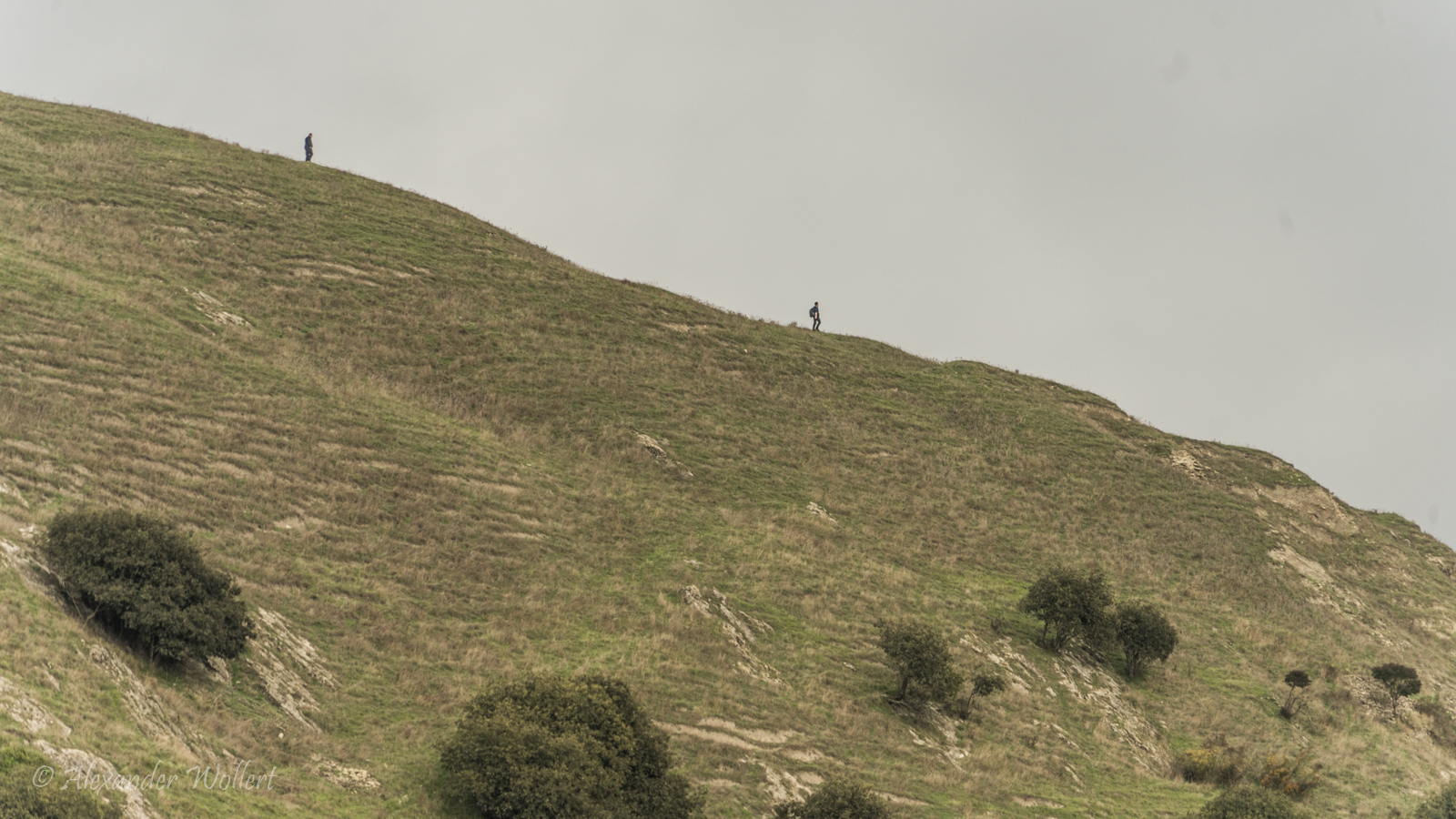
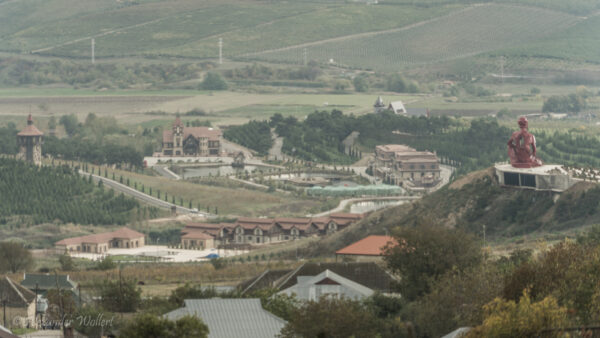
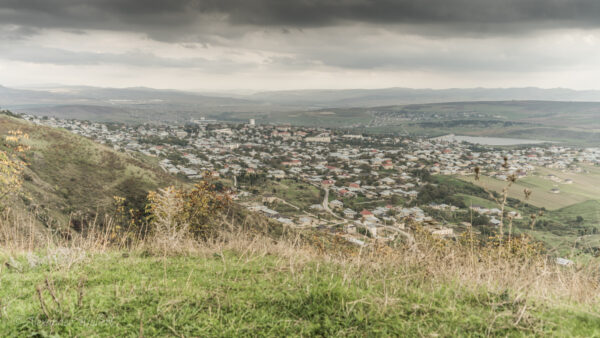
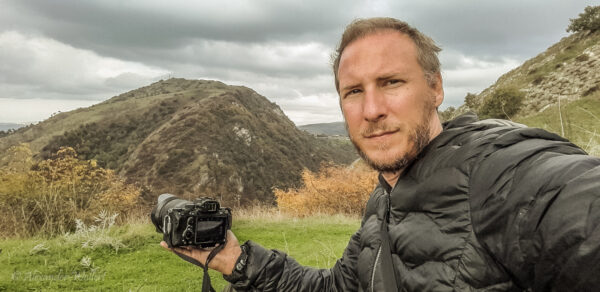
While my two friends hike up the mountain and back down the same way, I let my gaze wander over the mountains and the nearby town of Shamakhi. It’s peaceful, and I’m enjoying the solitude for once.
There are several ruins of fortresses here, as this city was once the capital of the Shirvanshahs. I already admired their palace in Baku. Baku itself was “only” a maritime trading city at that time.
A snippet of the history of Shamakhi
Shamakhi is one of the oldest and most historically significant cities in Azerbaijan and was for centuries an important political, cultural, and economic center of the Caucasus. Settled in antiquity, the city experienced its golden age as the capital of the Shirvanshahs, who ruled large parts of the region from there. Strategically located on important Silk Road trade routes, Shamakhi developed into a hub for trade, science, and literature.
The city was famous for its scholars, poets, and architects, but also repeatedly the target of conquest. Arabs, Persians, Mongols, and later Russians left their mark.
Several severe earthquakes almost completely destroyed Shamakhi over the centuries, yet the city was always rebuilt – a testament to its extraordinary importance and resilience.
To this day, Shamakhi remains a cultural symbol of Azerbaijan. Historical buildings such as the Juma Mosque, one of the oldest mosques in the country, are reminders of its long religious and political tradition. Shamakhi thus symbolizes the country’s eventful history between East and West.
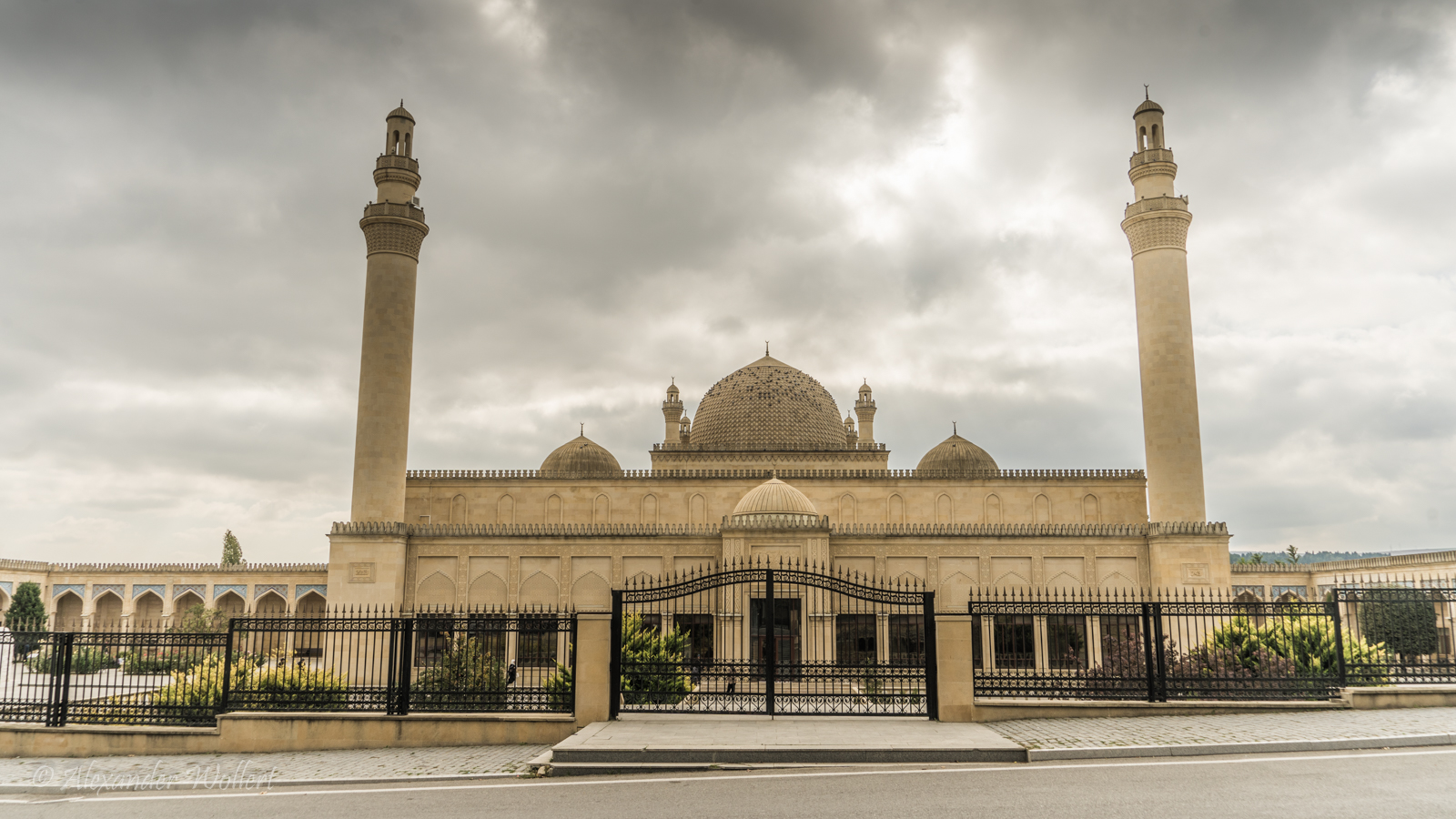
Only on the way back later from Sheki do we pass through Shamakhi again, to also see the huge Juma Mosque.
This mosque is not old and is very impressive in its size.
There are a few other tourists here besides us. There are no restrictions; we can visit this holy site for free.
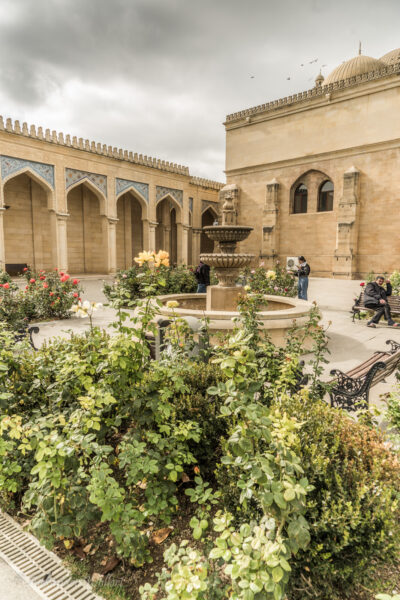
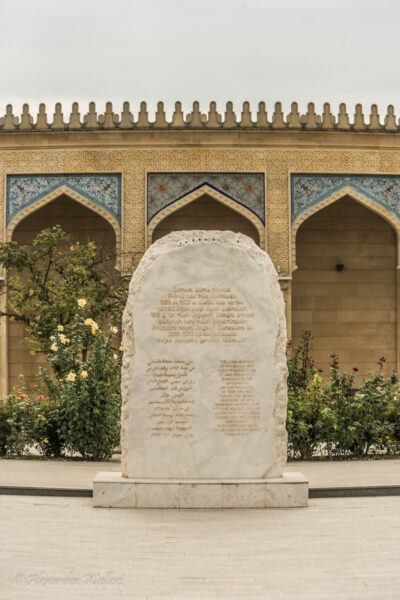
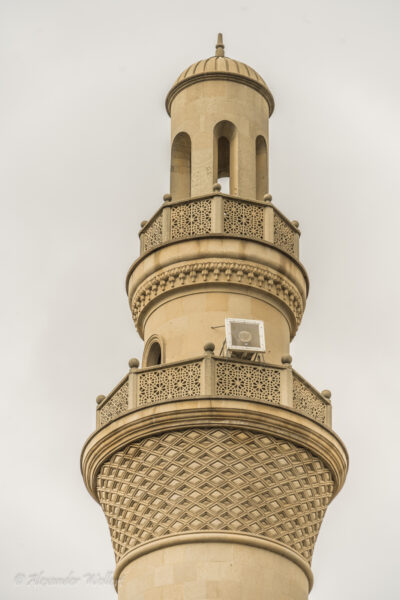
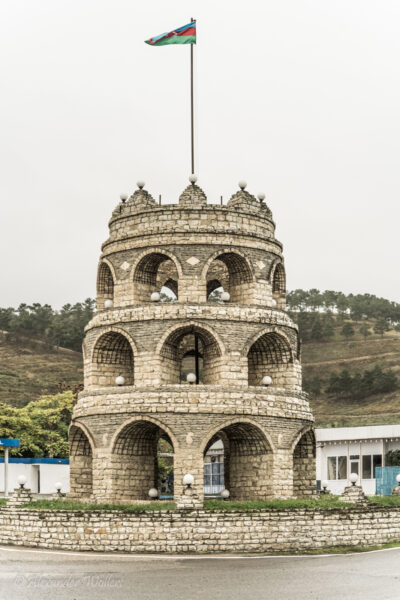
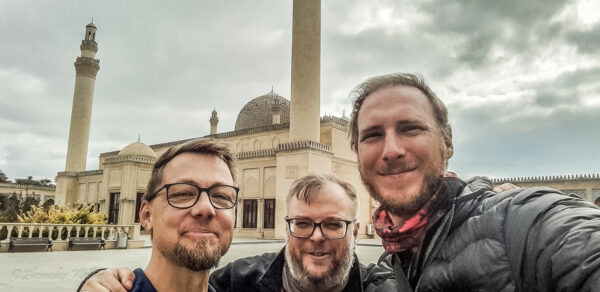
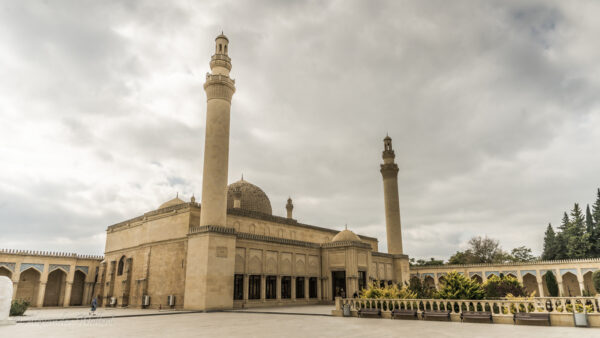
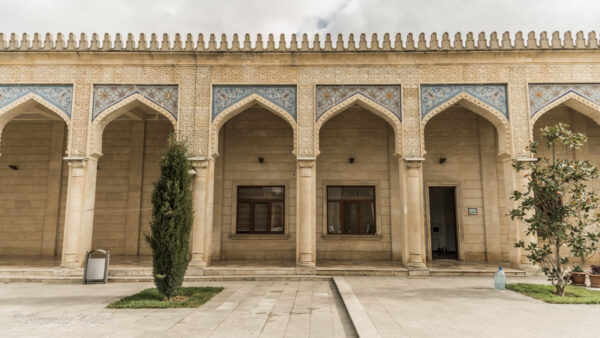
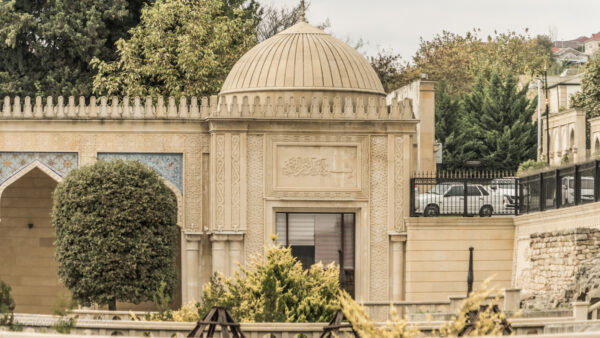
How could we have missed this huge mosque the first time we were in Shamekhi?
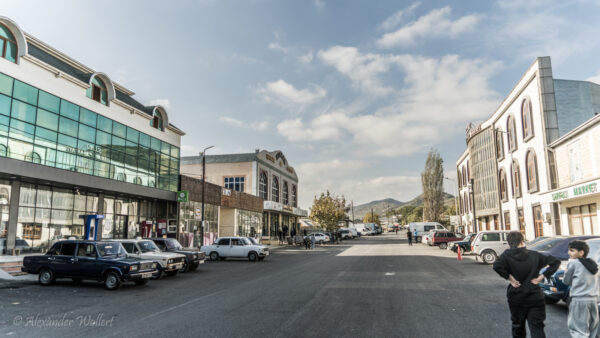
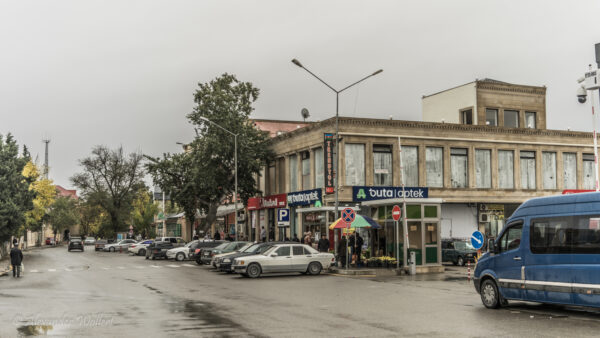
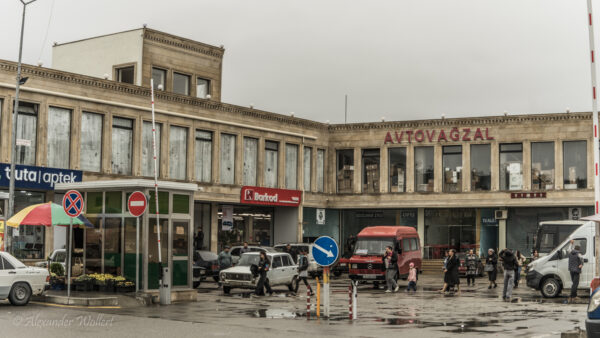
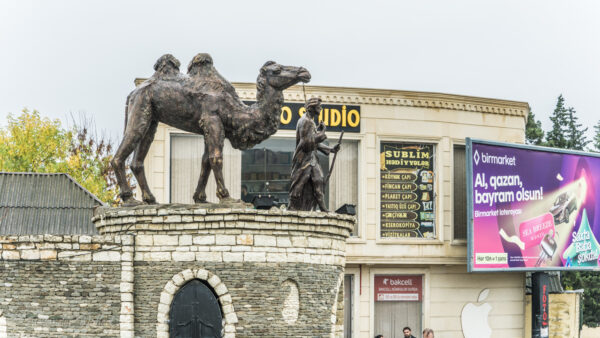
From Shamekhi we travel in different directions. First we travel east to visit the mausoleum of Diri Baba.
After that, we return to Schamechi and then take a route into the mountains to visit the village of Lahıc.


