
Diary Entry
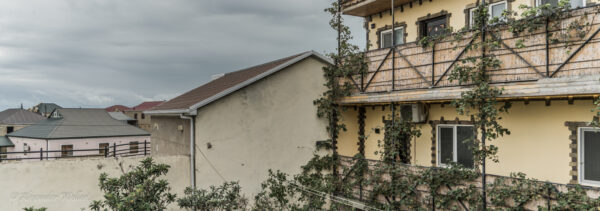
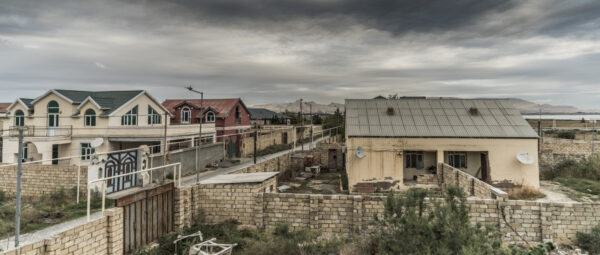
We arrived in Sanqaçal late at night, where we found accommodation. Before that, we were in the surreal world of Absheron. Here we are close to Qobustan, where there is much to see. But first we need to sleep. The area here is bleak. Another purpose-built settlement full of gas pipes.
In a side street of a side street, we find a hotel behind a large gate. We let ourselves in. The owner writes to us that he’s at his wife’s birthday party and certainly won’t be sober for much longer.
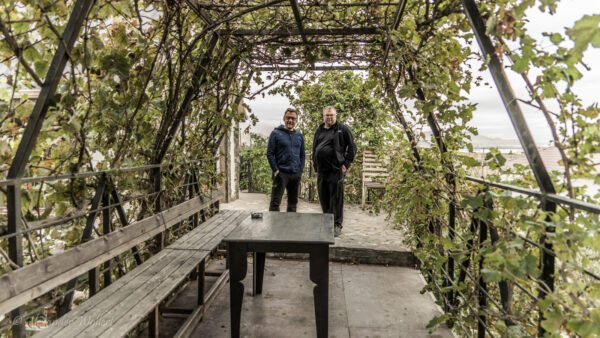
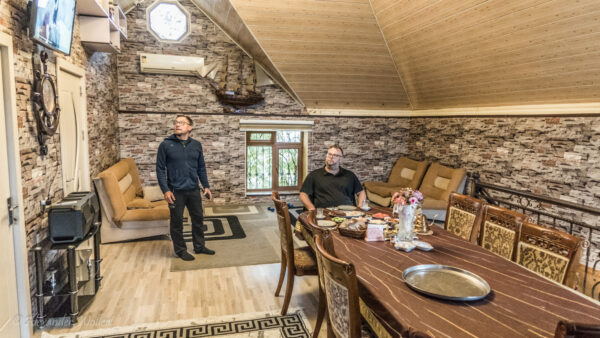
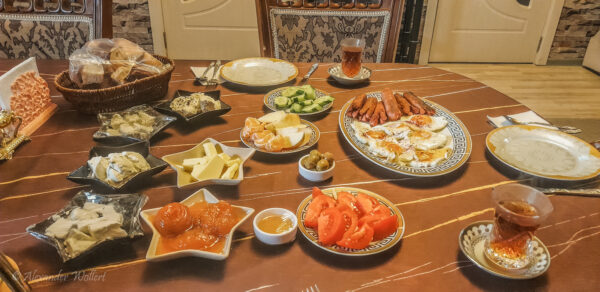
For breakfast there is egg, cheese, cucumbers and tomatoes, and the owner tells the story of how much he drank yesterday on his wife’s birthday.
He also gives us well-intentioned advice on how to ignore the police around the tourist area. He uses some swear words.
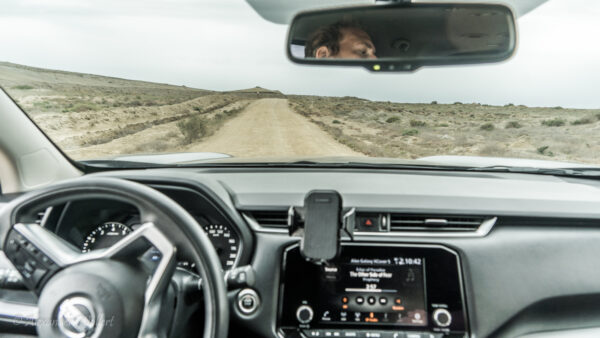
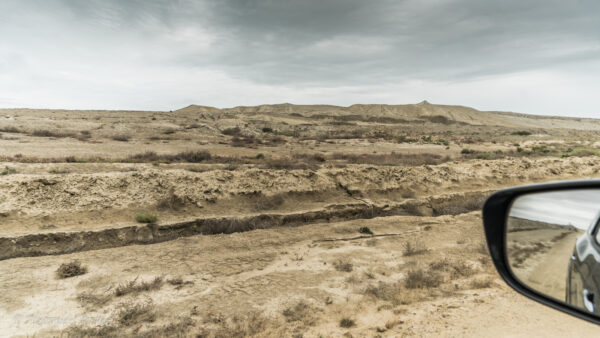
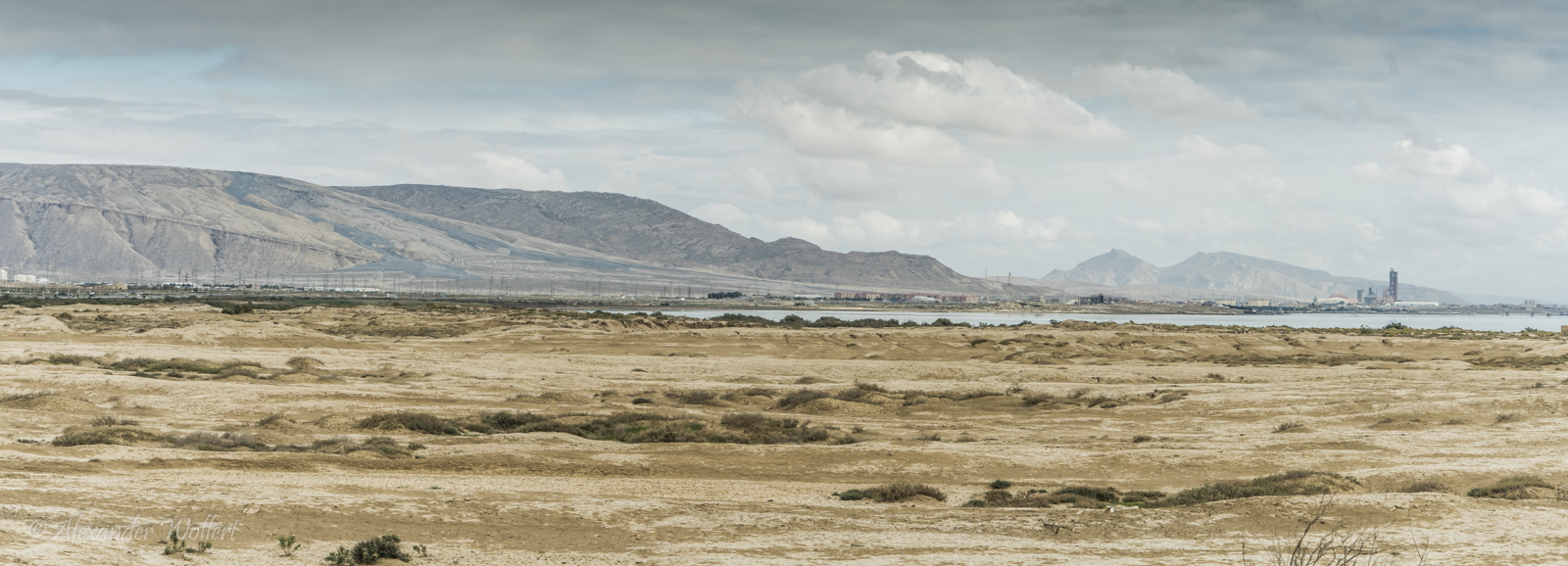
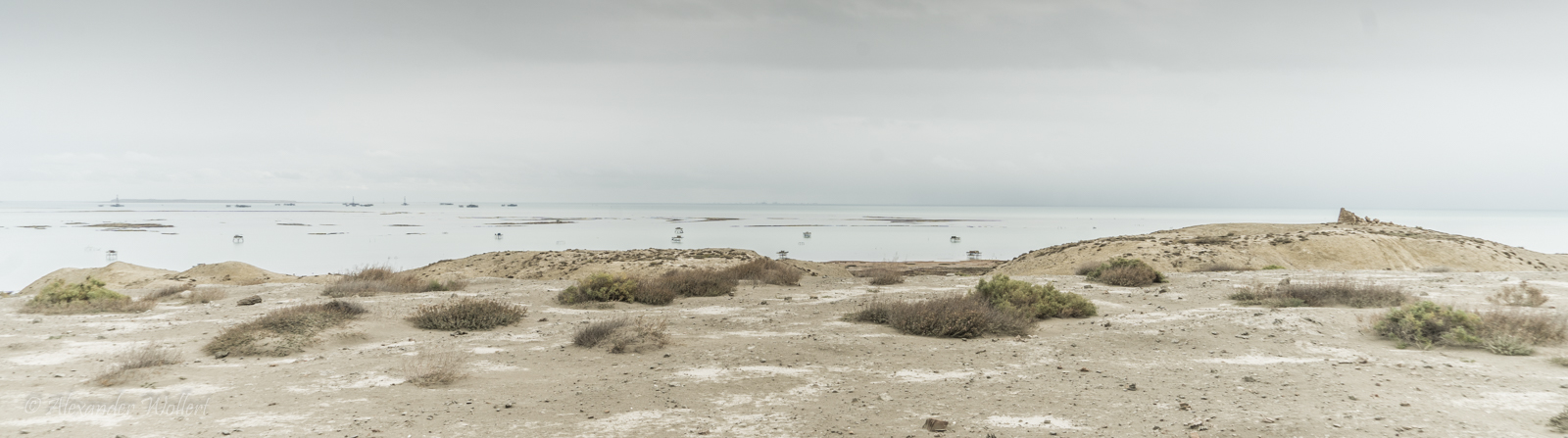
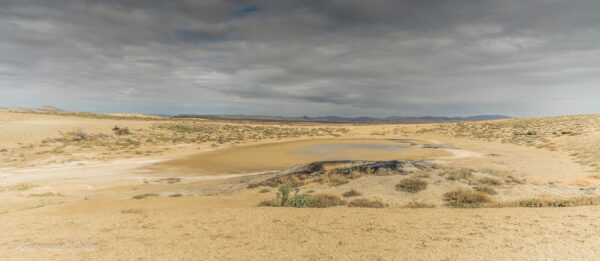
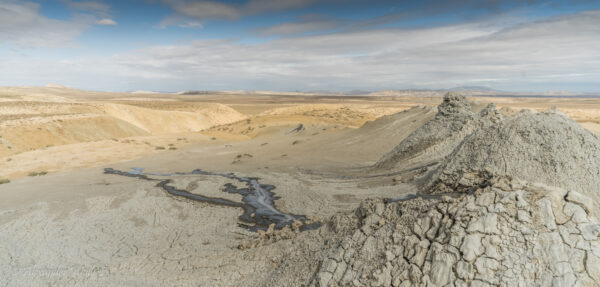
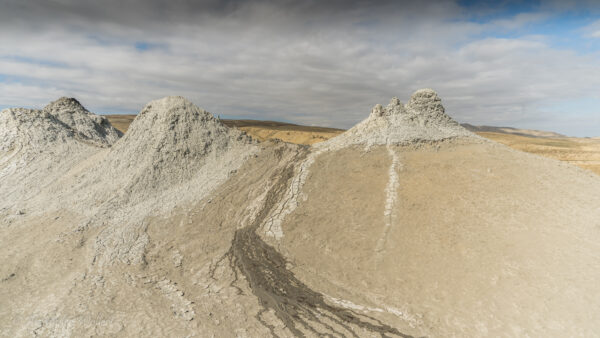
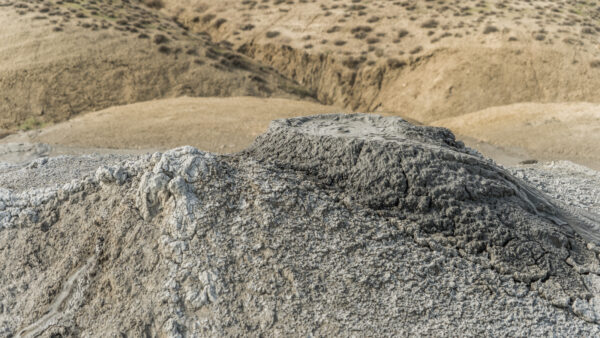
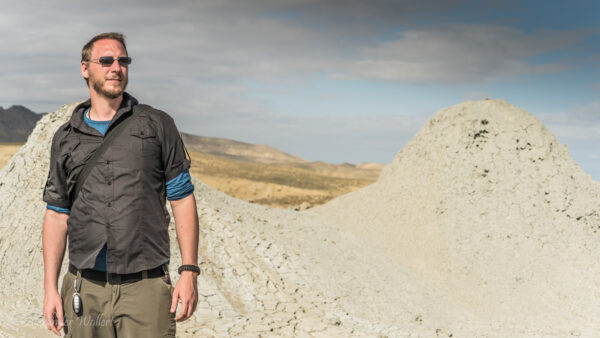
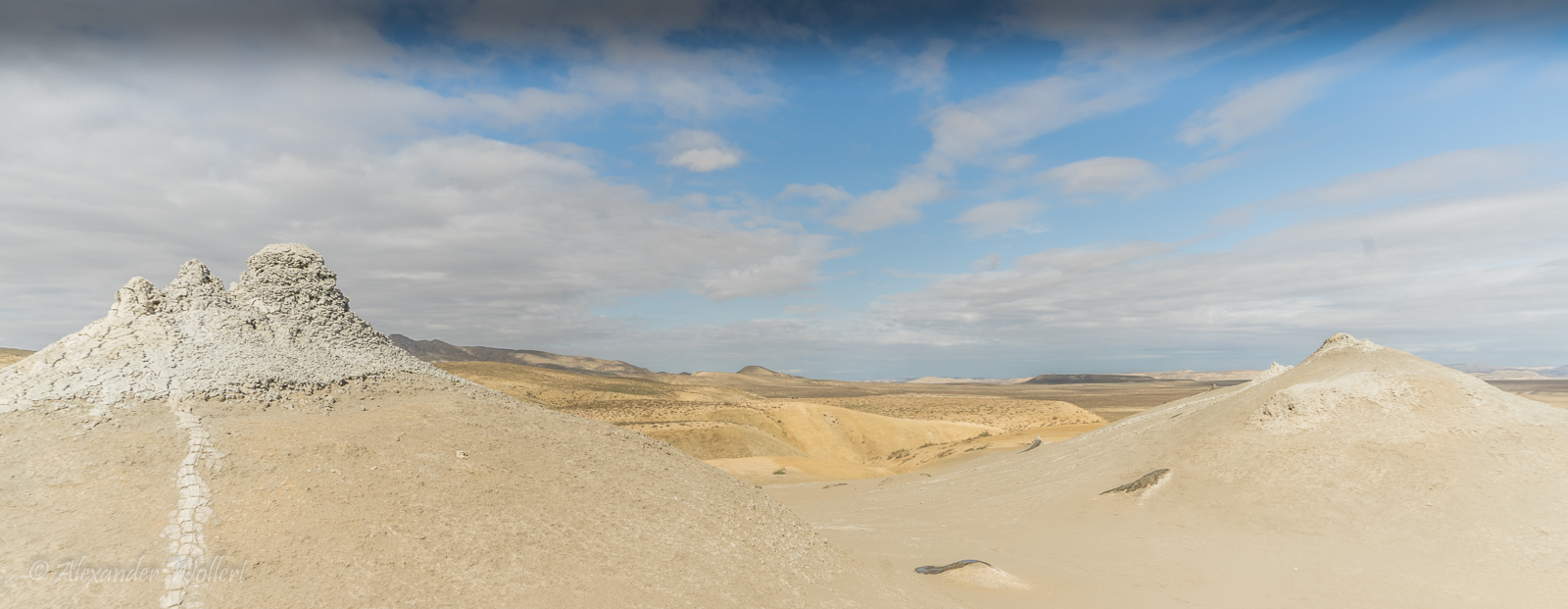
First, we drive down the highway south of Gobustan to find a mud volcano in the middle of nowhere. There’s no way to get there using Google Maps. Only satellite photos and the capabilities of a four-wheel-drive vehicle eventually get us to the top of the mud volcano. There, it bubbles loudly from several vents, which we have all to ourselves and can climb as we please.
The off-road vehicle really gets its due as we drive back through this lunar landscape to the road. It can hardly be called a road. We’re shaken violently until we finally get asphalt under our wheels again.
We can only find our way using satellite images.
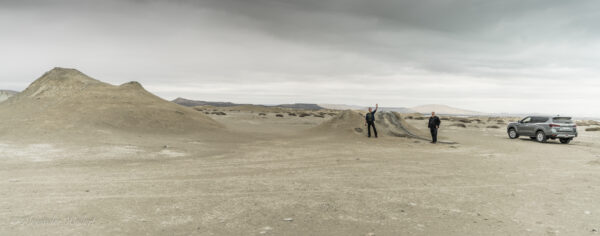
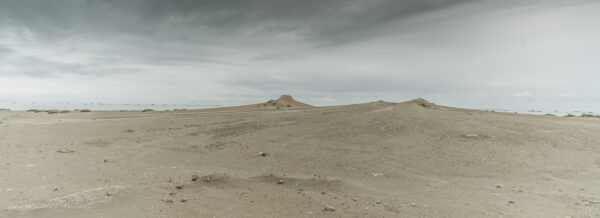
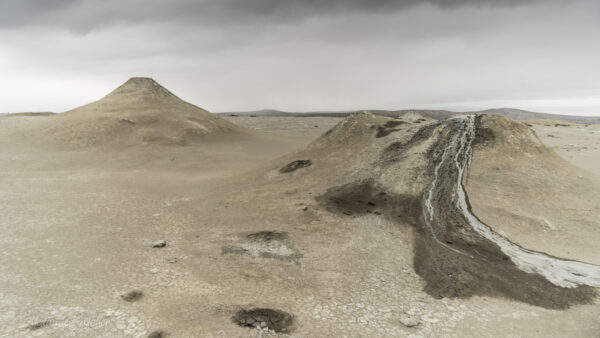
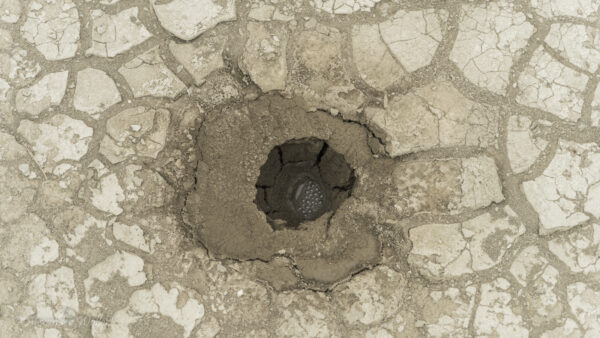
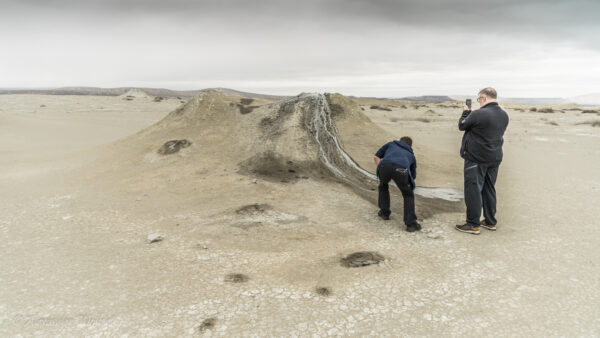
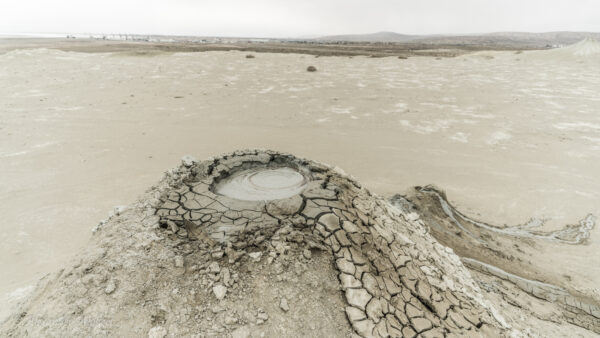
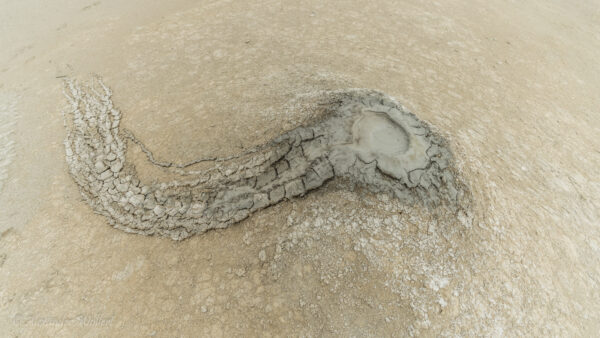
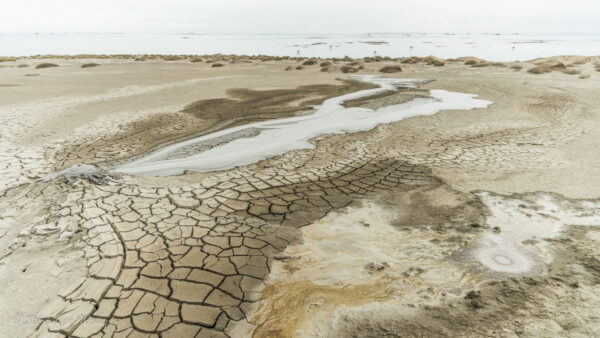
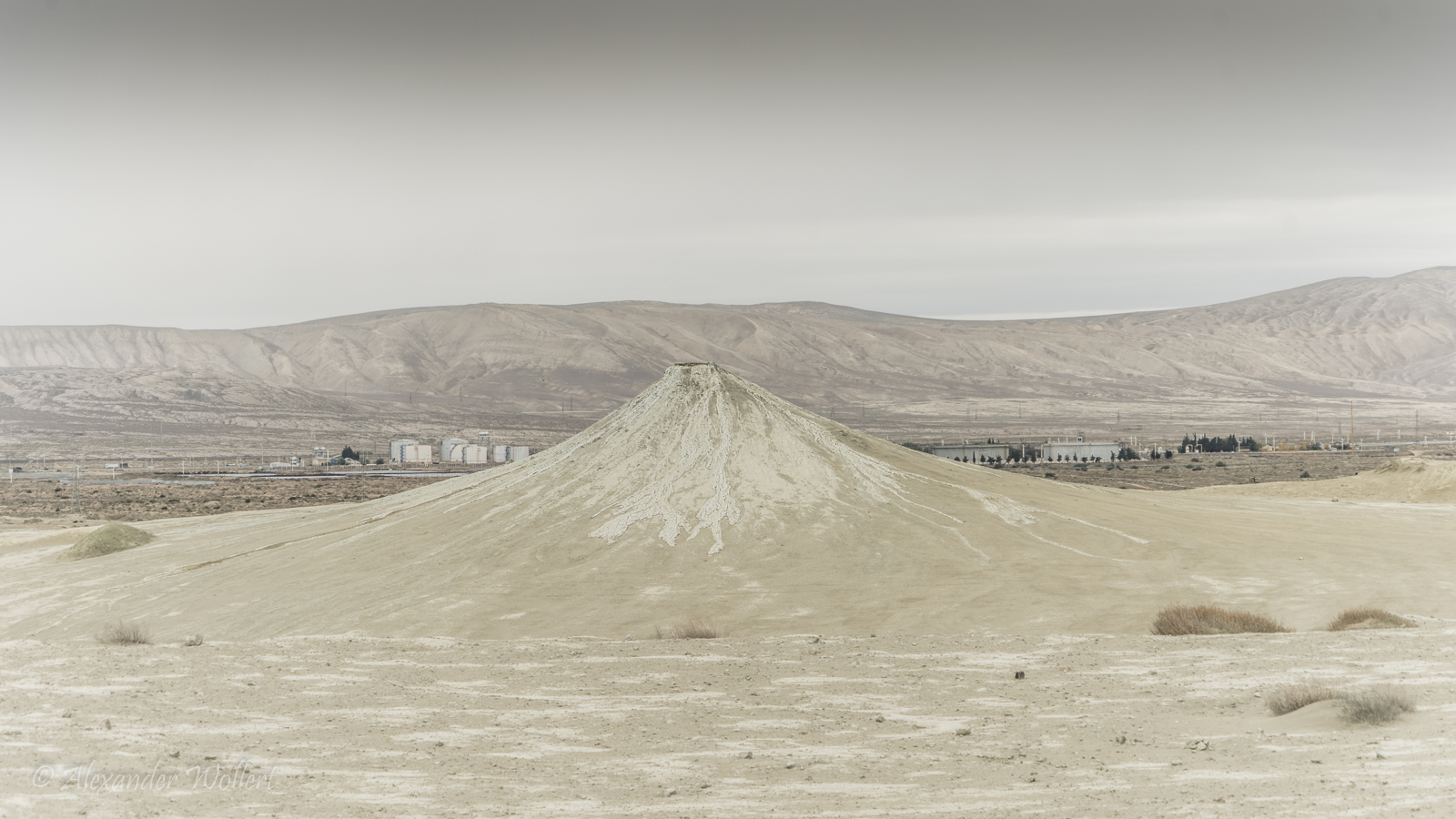
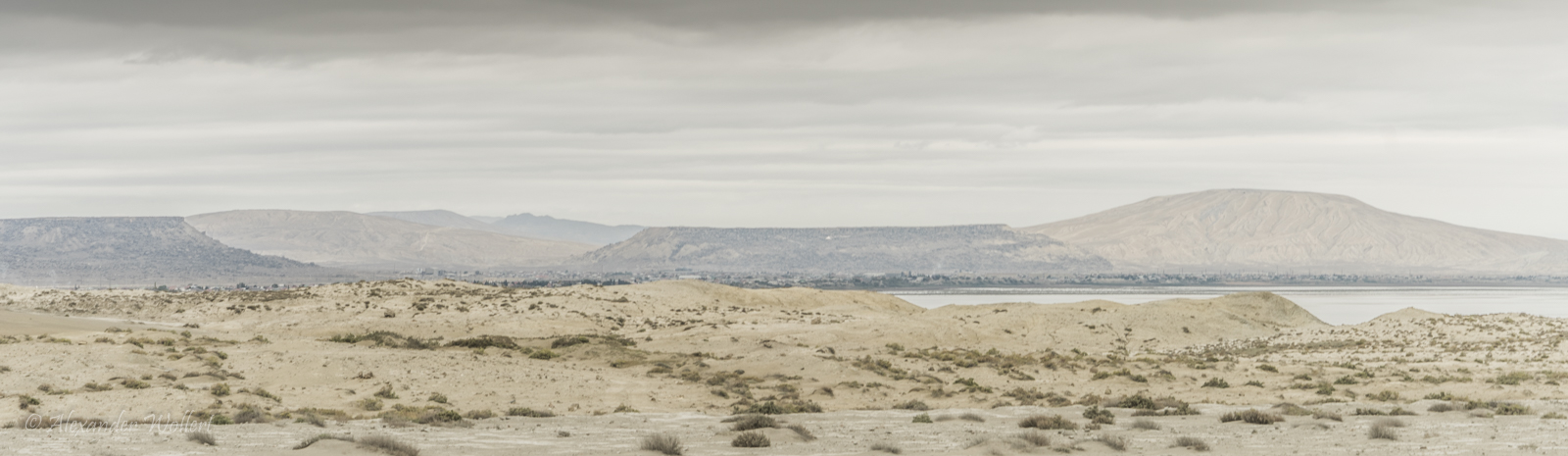
This landscape also appears very surreal and inhospitable. The surrounding industrial plants do not improve this impression.
Some gas workers wave us down. I extend the advice I gave this morning to these people and ignore them.
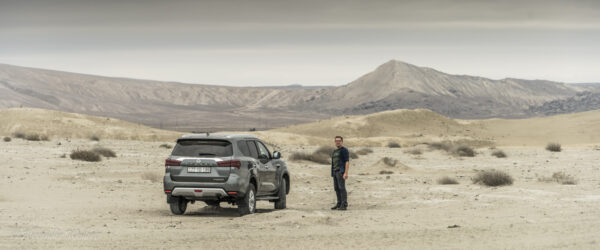
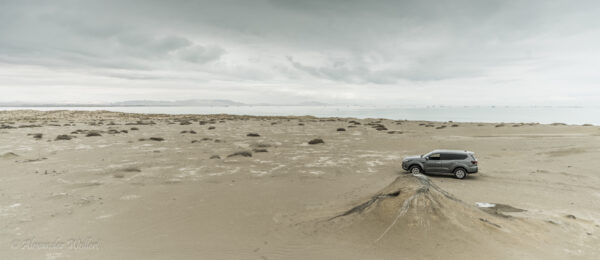
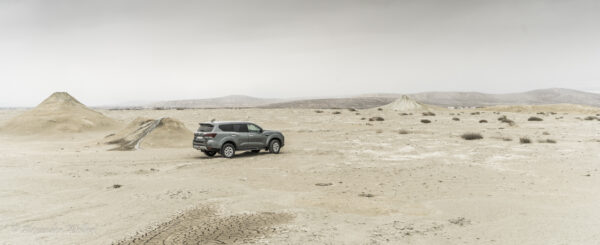
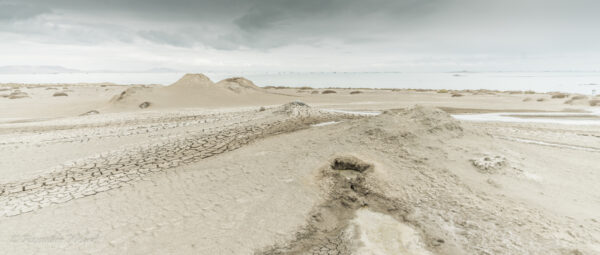
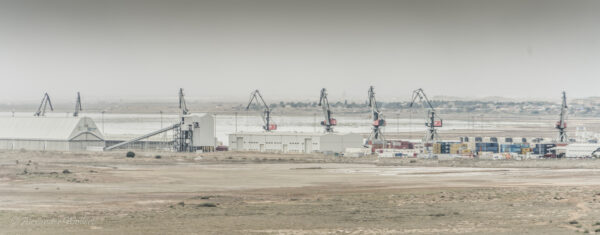
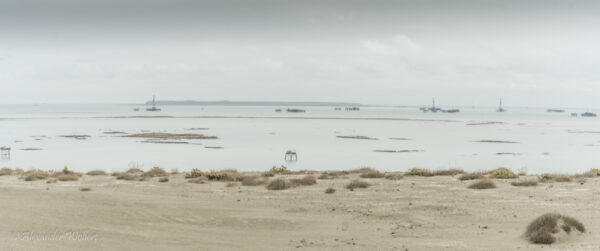
This landscape seems very fascinating, surreal, and hostile to life.
The industrial plants in the surrounding area do not improve the impression.
As if it weren’t enough that nature offers a large playground of muddy volcanoes here, humans left their works of art here about 10,000 years ago.
Today, the area is mainly filled with tour groups in their buses. They have probably traveled their “golden route” to Yanar Dağ and Ateshgah.
We drive from the wild viewpoint at the mud volcano back onto paved roads to get to the town of Gobustan and the open-air museums beyond. As the man at the accommodation had said, police officers in a small building in front of the museum ask us to stop.
They supposedly want us to hire a local guide and car because they’re in cahoots with them. Okay, I ignore the police and step on the gas. There’s no wild chase, so it seems to be okay.
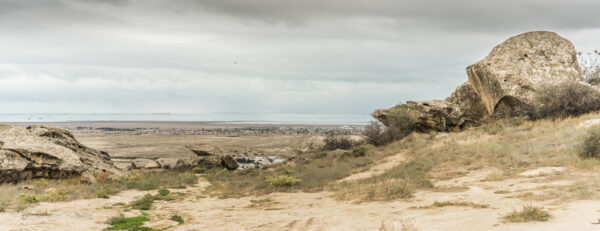
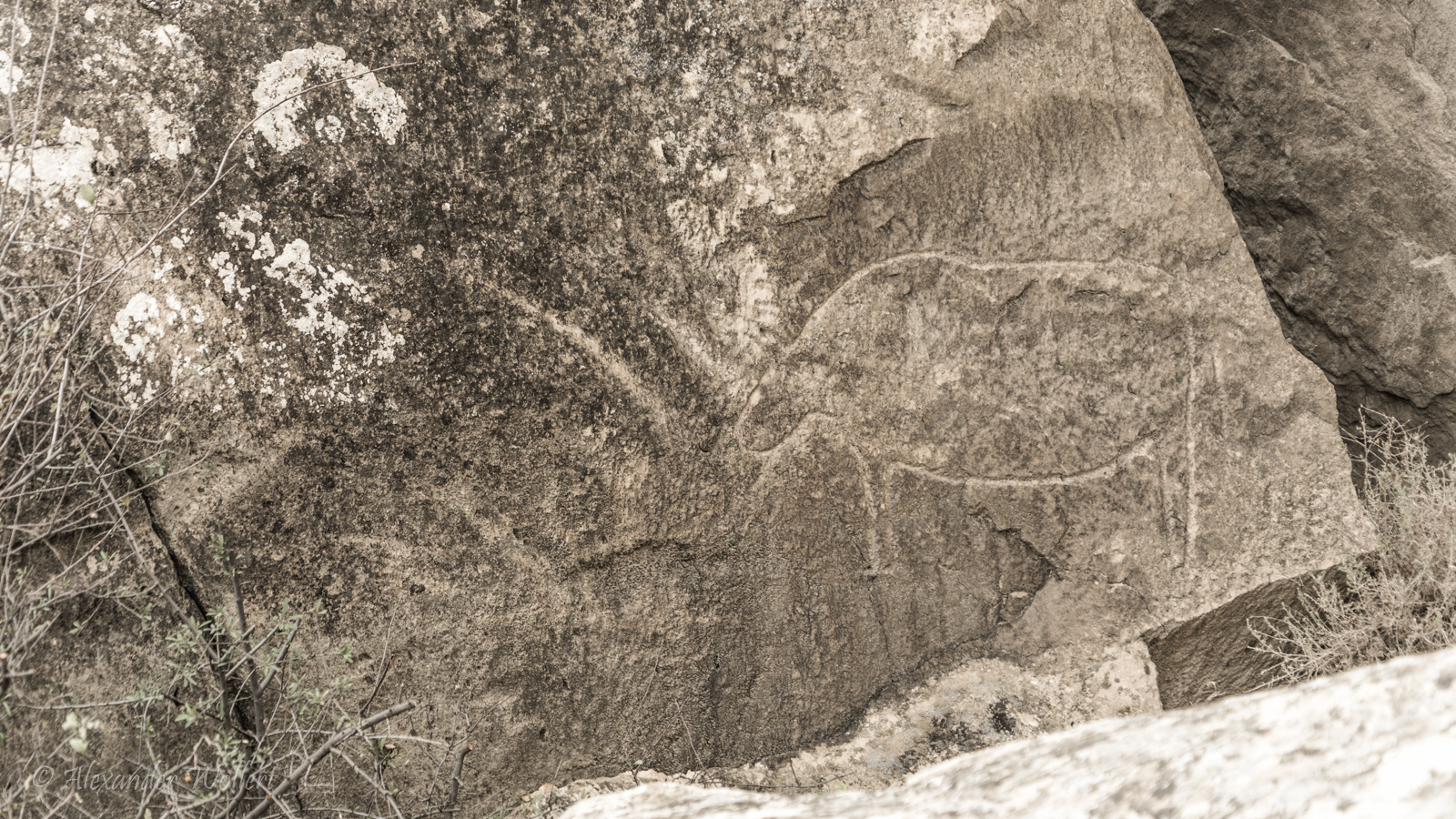
Some of the petroglyphs appear to have been enhanced to remain so clearly recognizable. Others show the faded, normal state after millennia of weathering.
The drawings beautifully depict people and animals of this area, in scenes of hunting or orientation.
It seems that cattle, pigs, and horses were the main animals here, and I recognize a big cat in one scene. The petroglyphs are impressive nonetheless.
Besides hunters and numerous animals, we also see boats. Apparently, the sea used to reach this far up here.
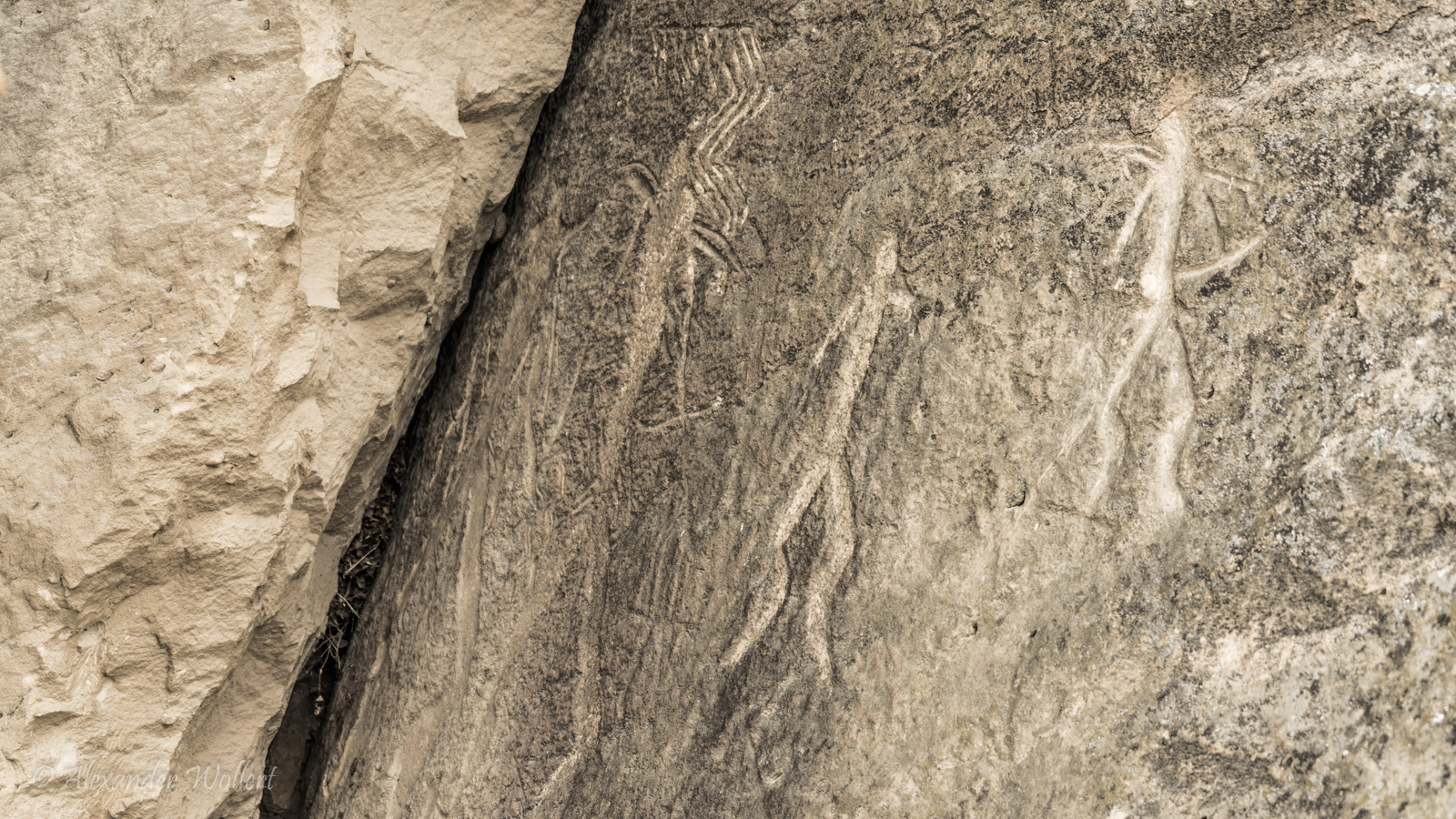
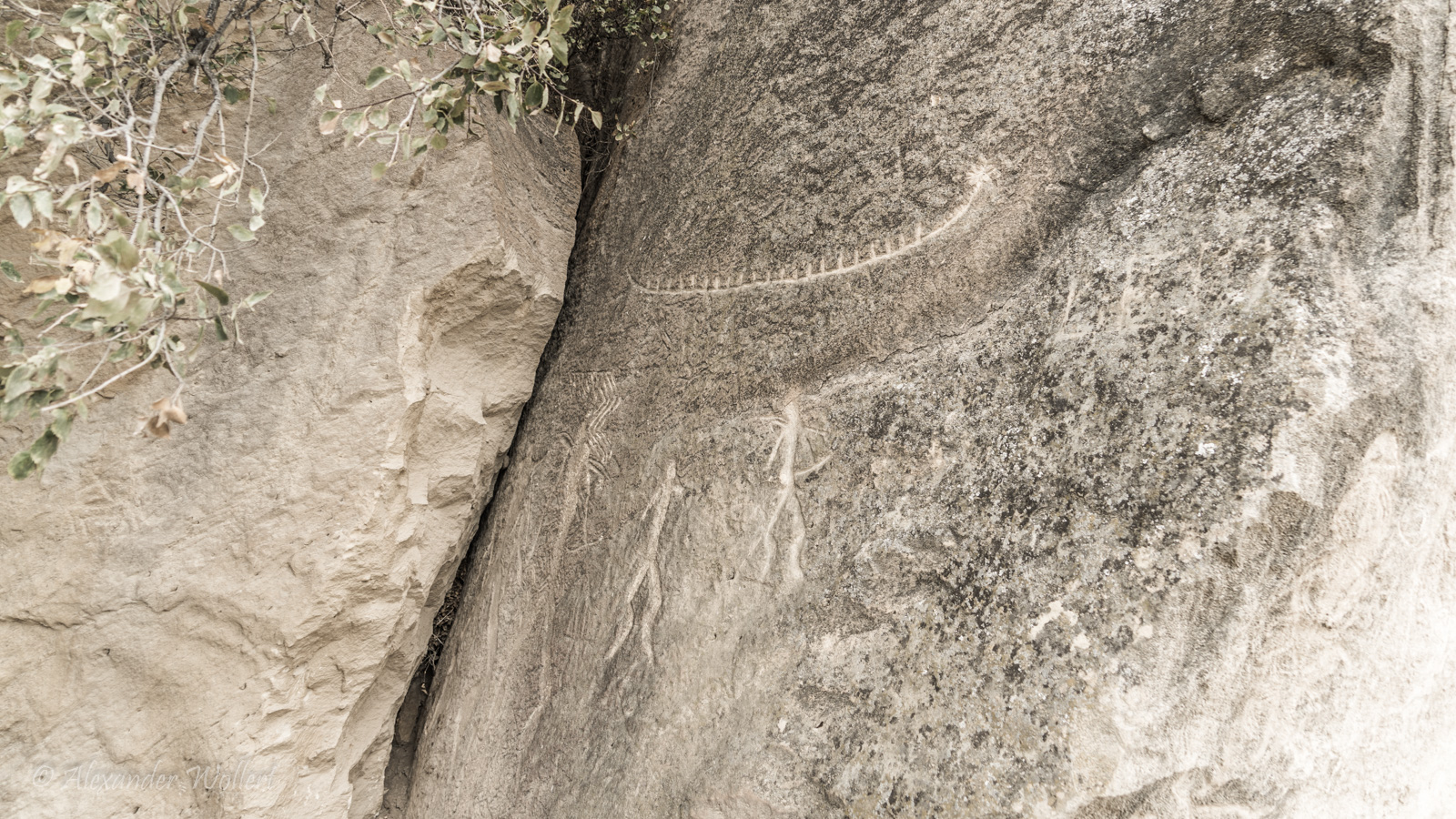
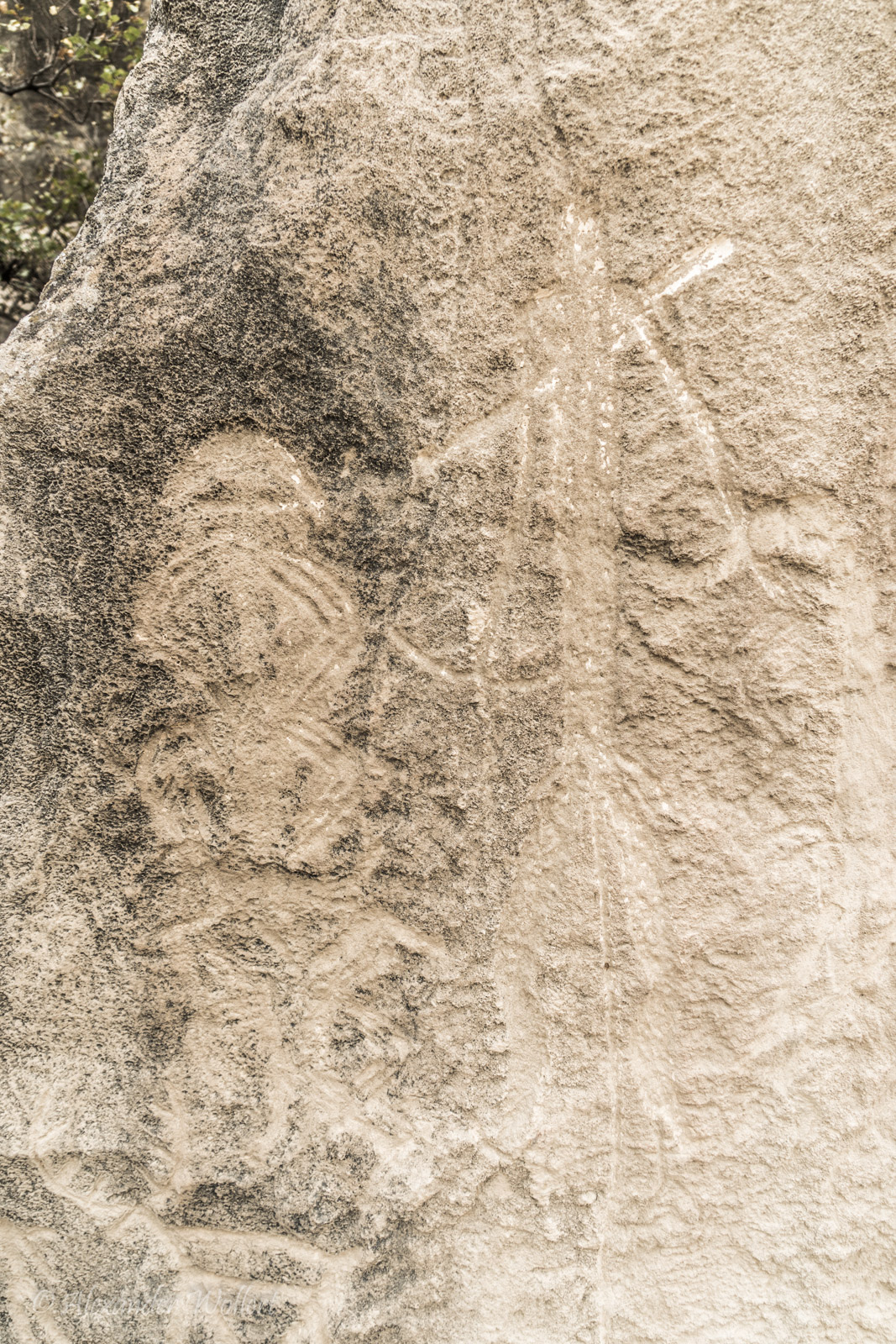
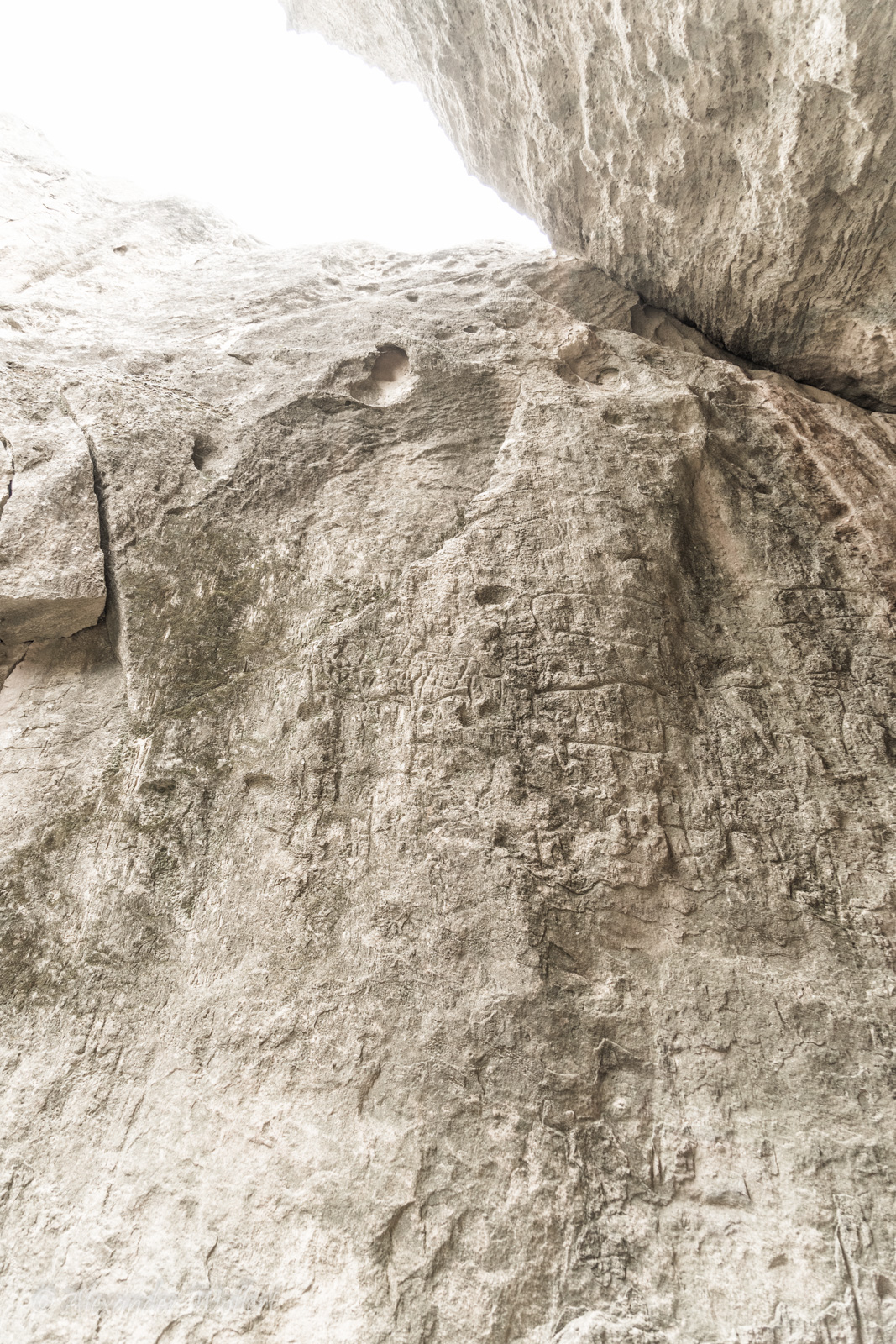
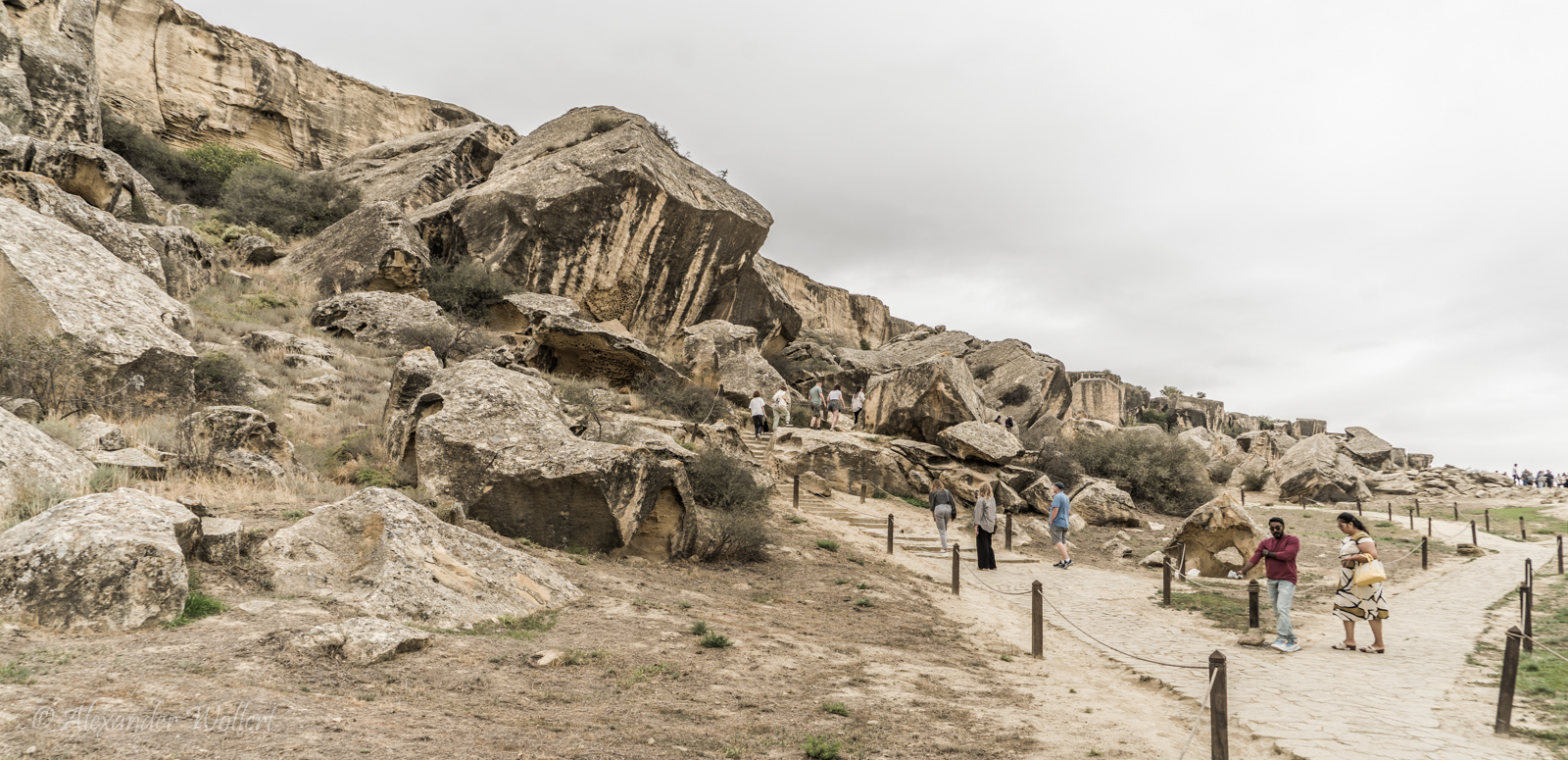
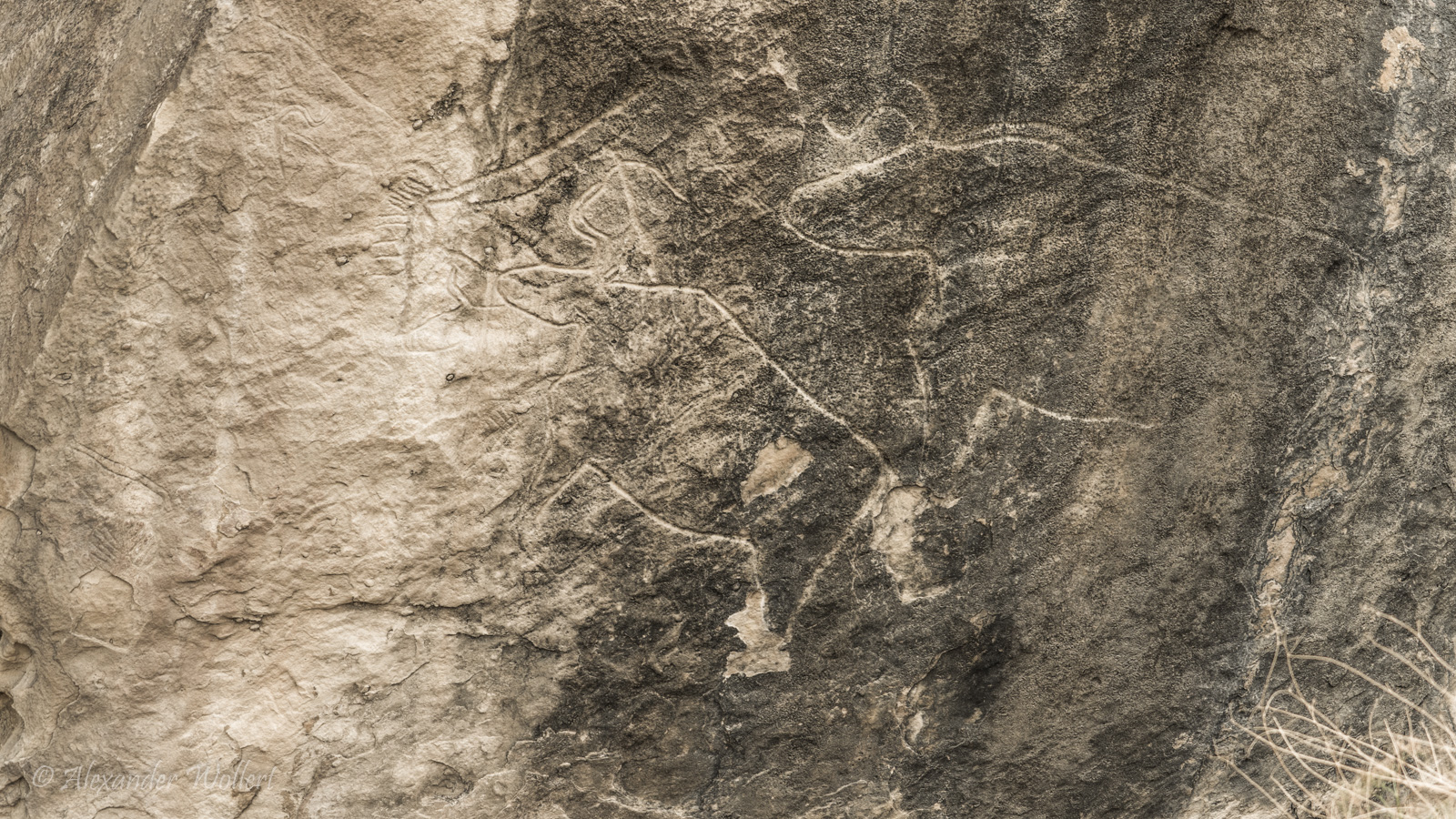
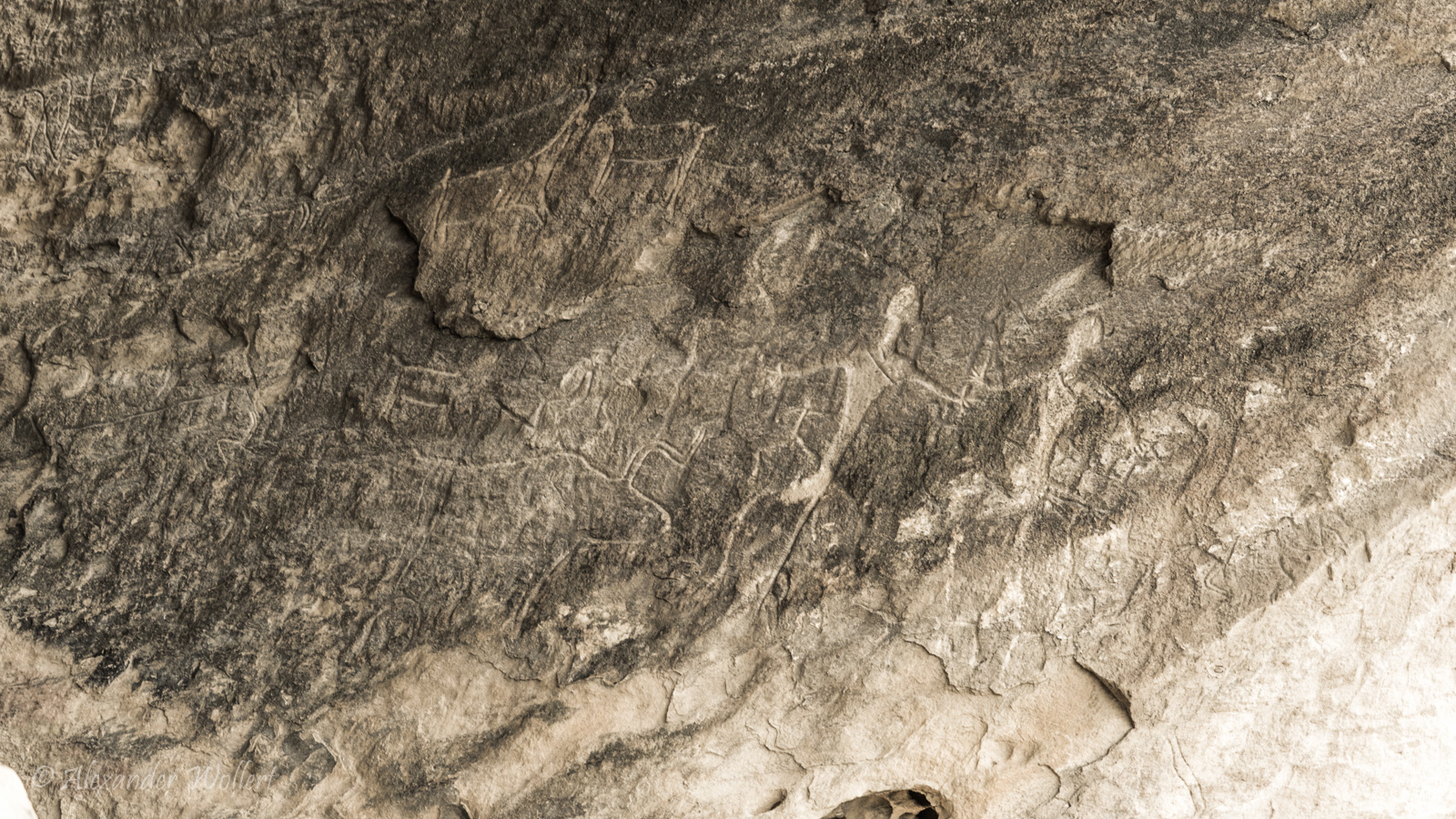
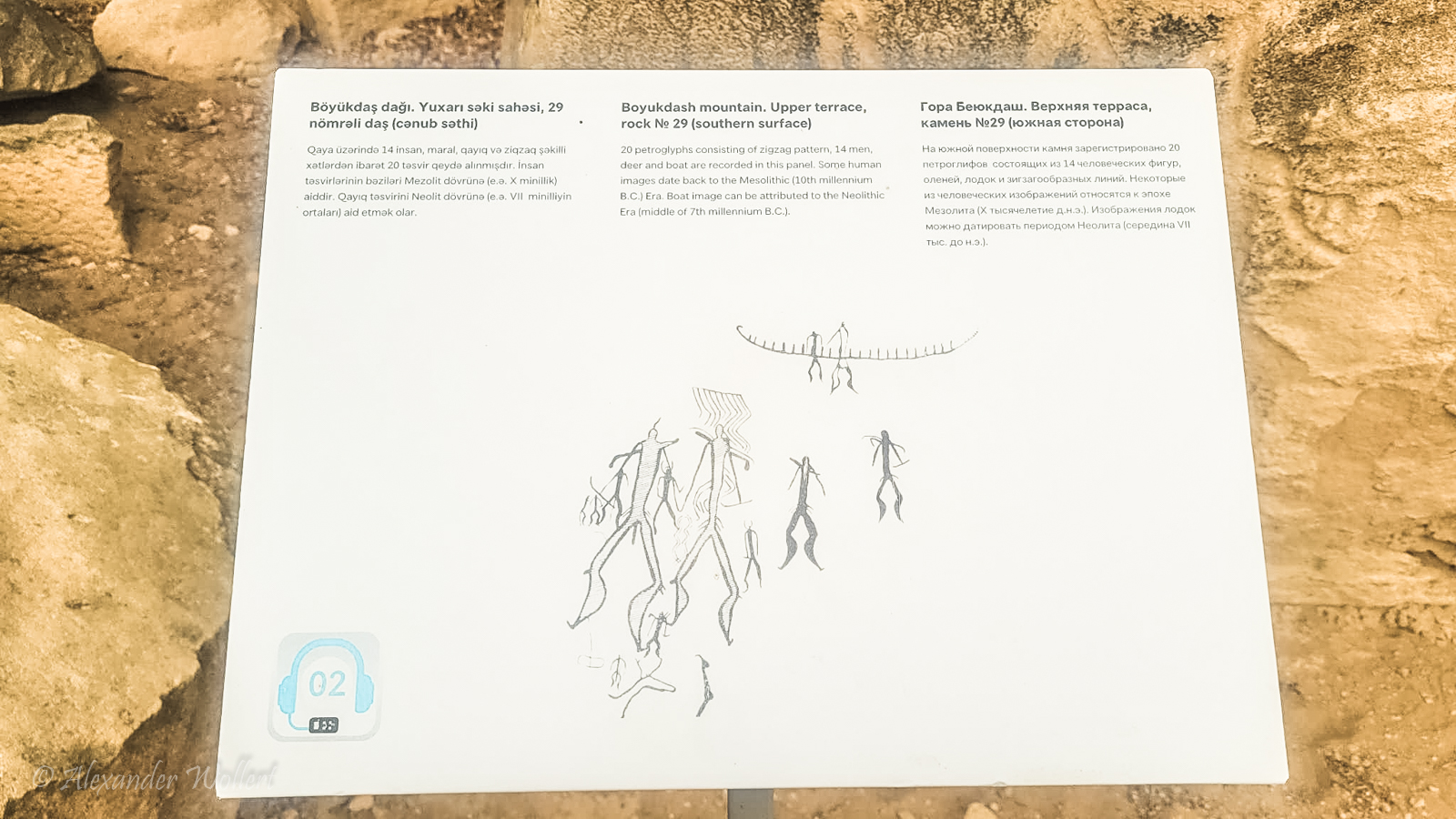
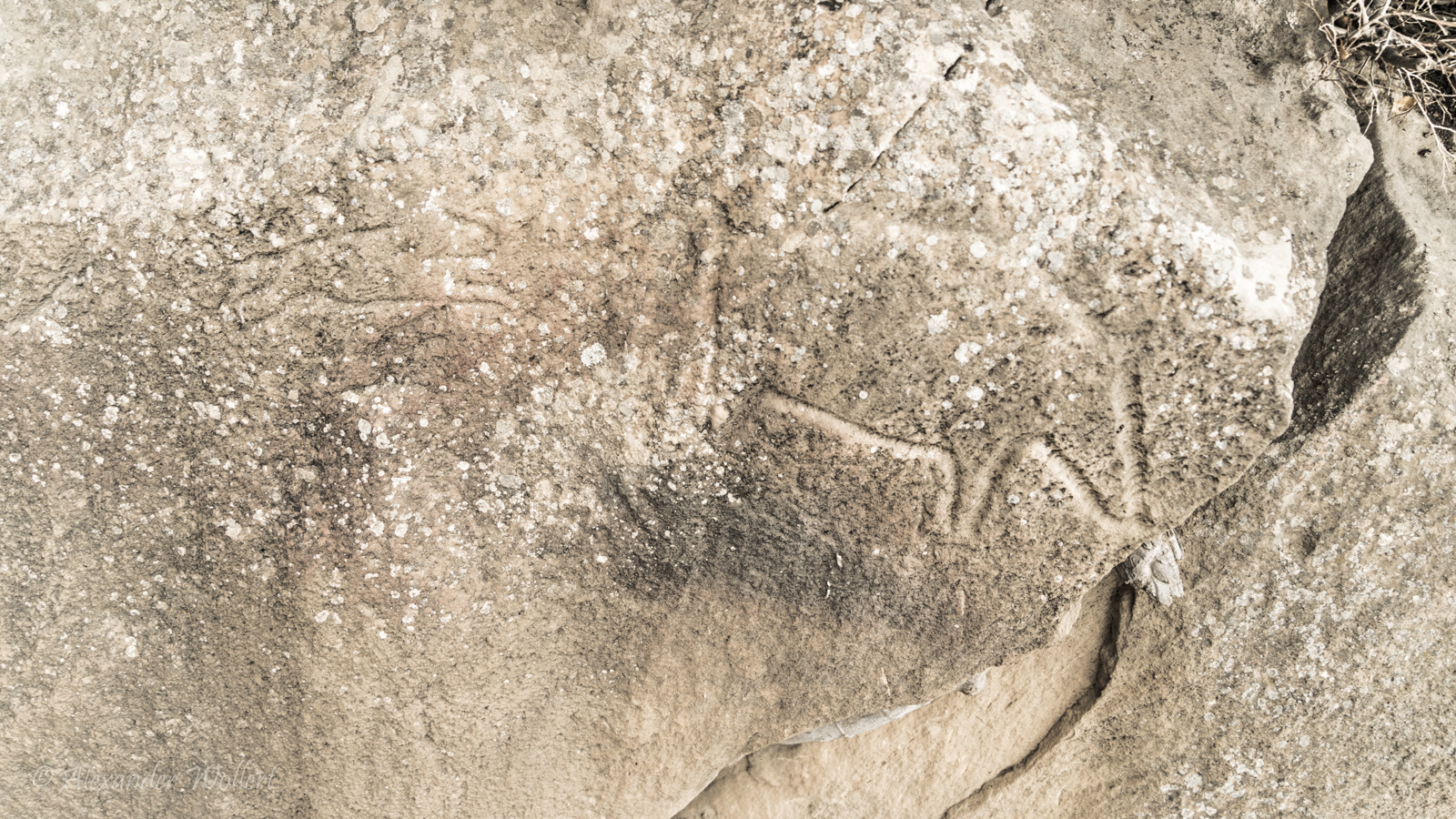
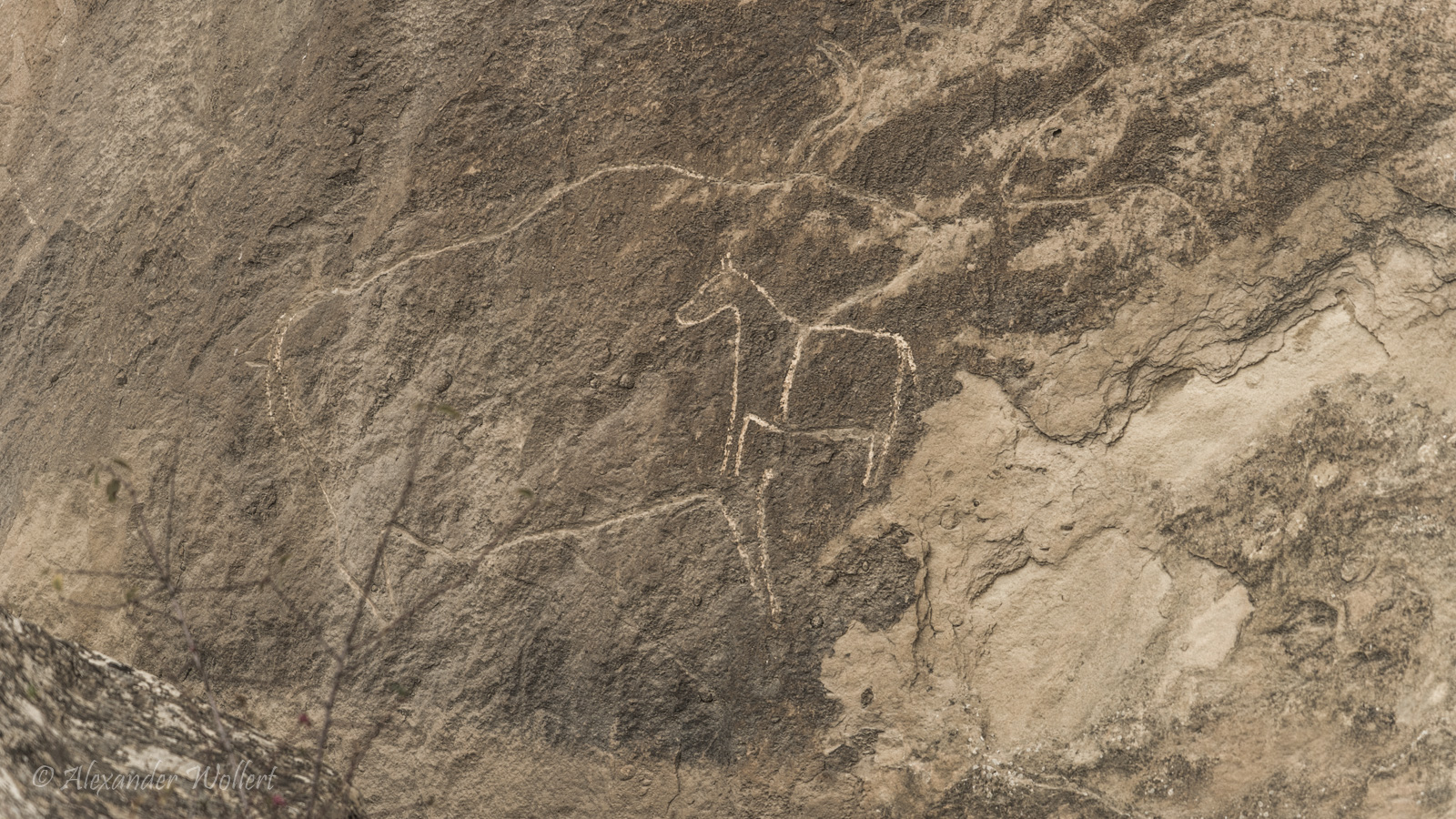
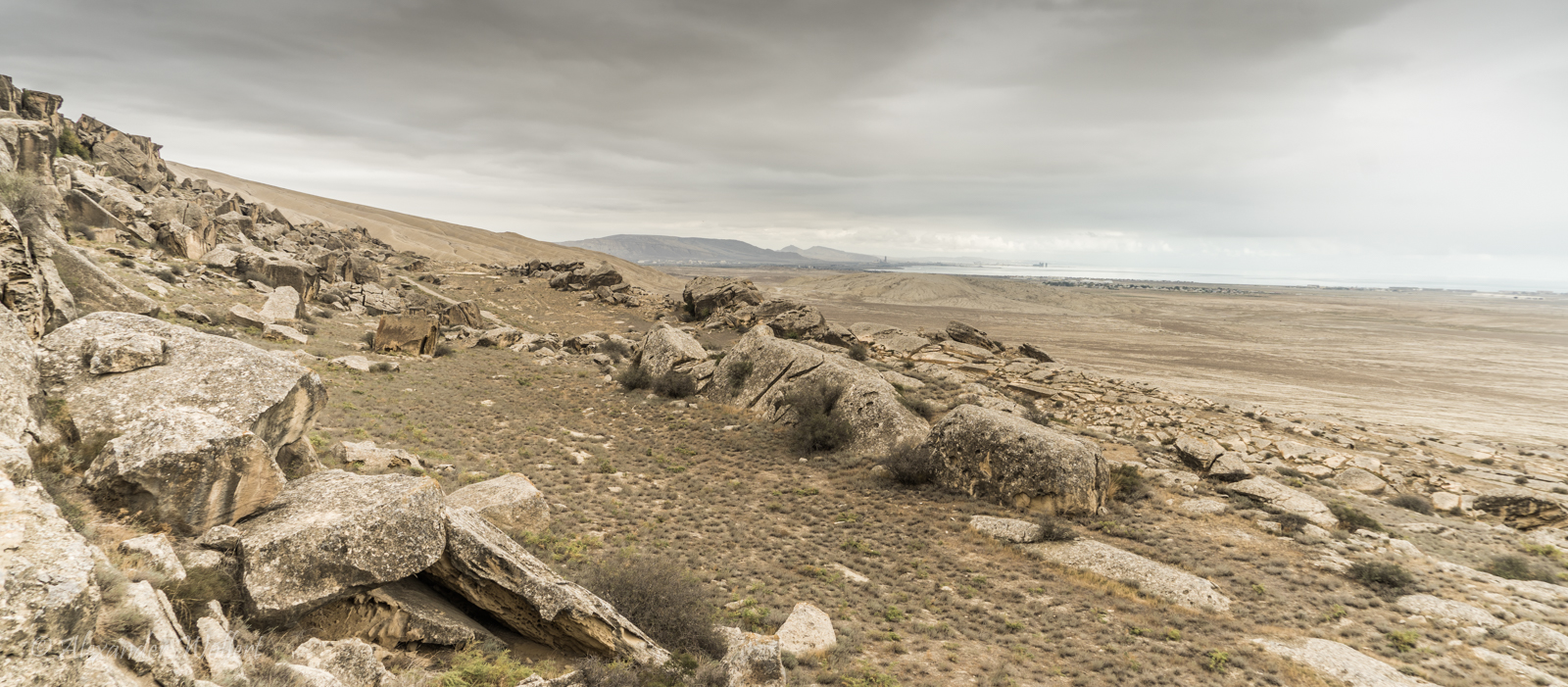
The Caspian Sea used to reach as far up here.
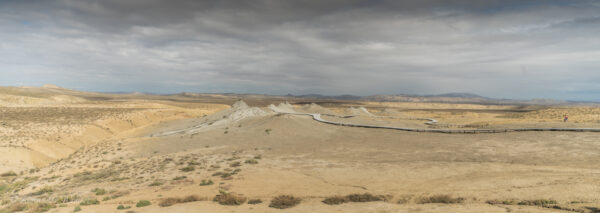
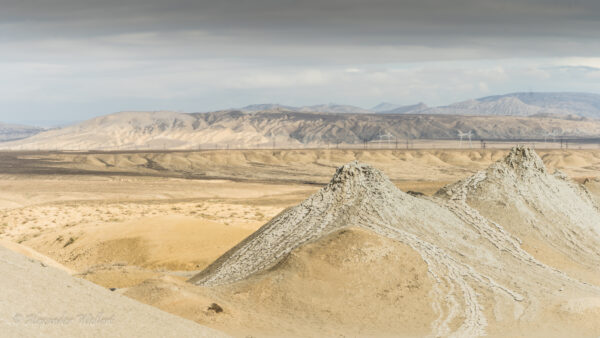
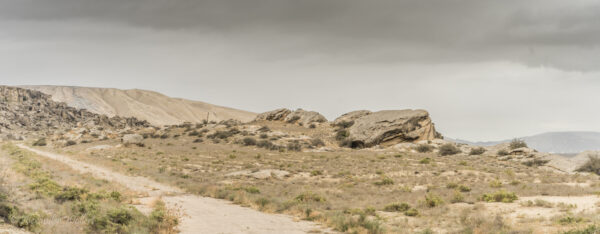
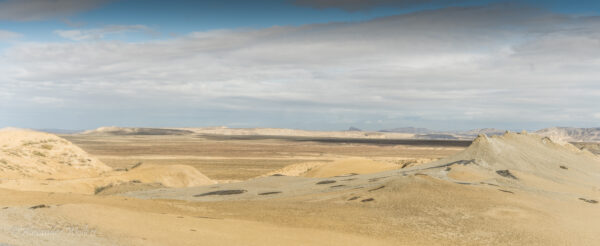
We have to return to the main road to reach the next museum in the national park. This time, no policeman waves us on. We drive through a vast, barren landscape. The hills are gentle, and the colors differ only in subtle shades of ochre, beige, and brown. Then we reach the official mud volcano park.
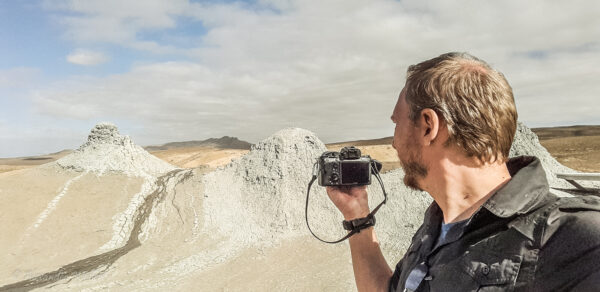
Compared to the mud spitters we saw in the wild this morning, these ones are boring, because you can’t get very close. Besides a new concrete visitor center, they’ve also built wooden paths that you’re not allowed to leave.
There’s not much going on here. The tourist buses are missing.
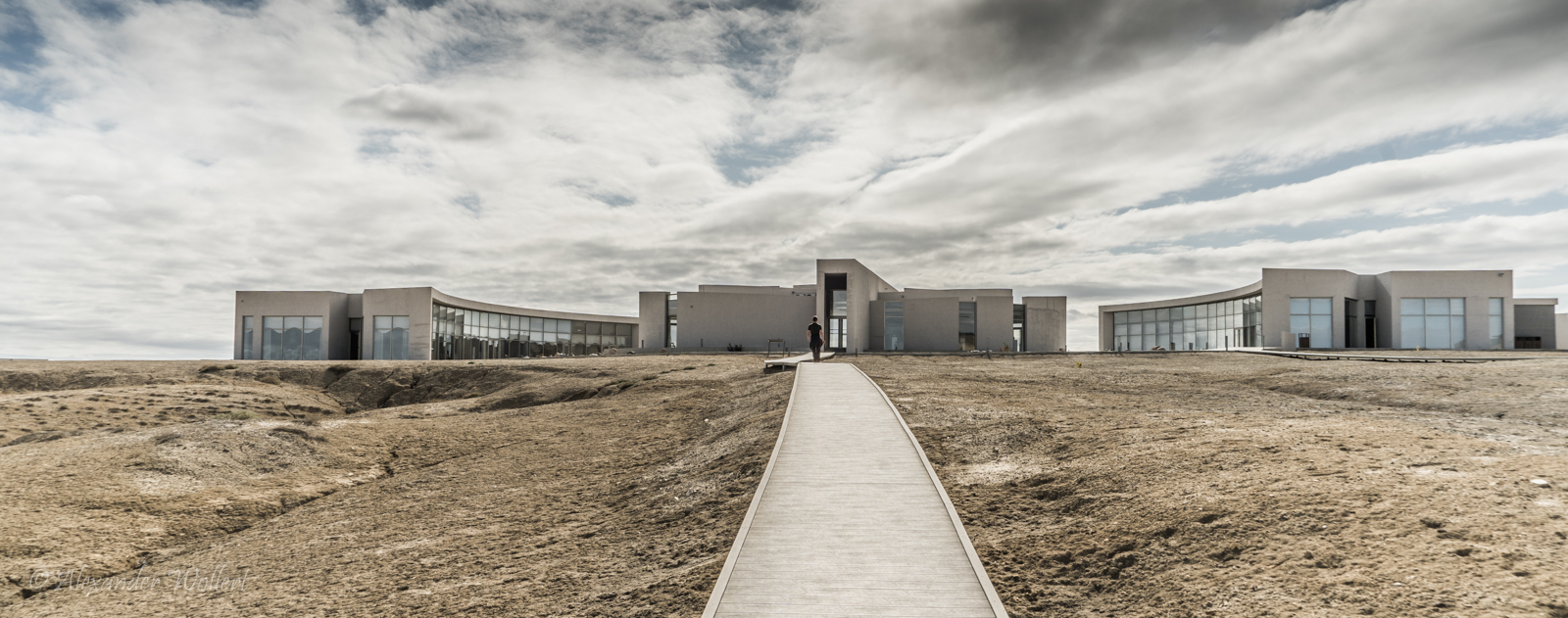
The Gobustan Mud Volcano Tourist Complex looks like a completed space station, waiting for visitors from Earth.
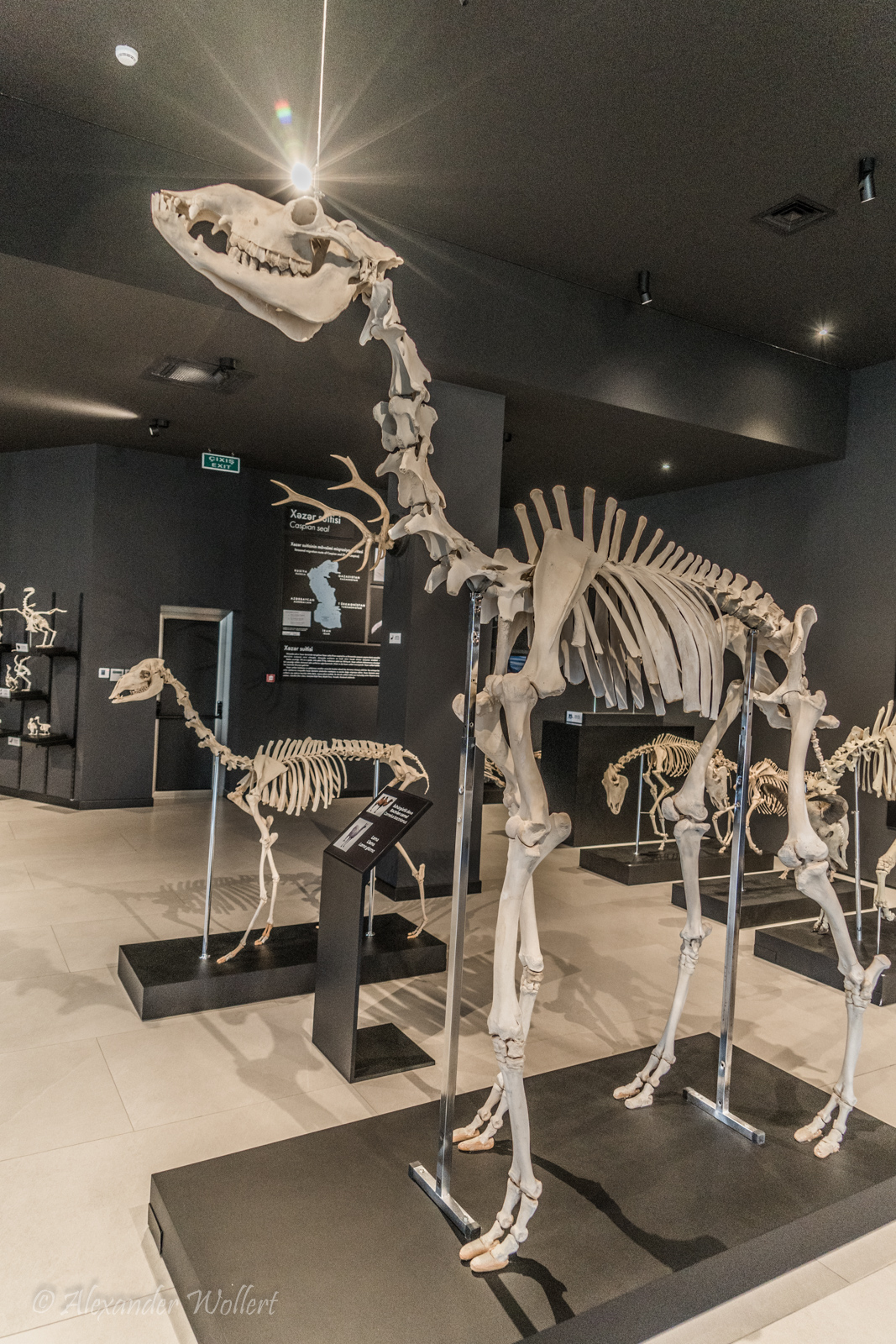
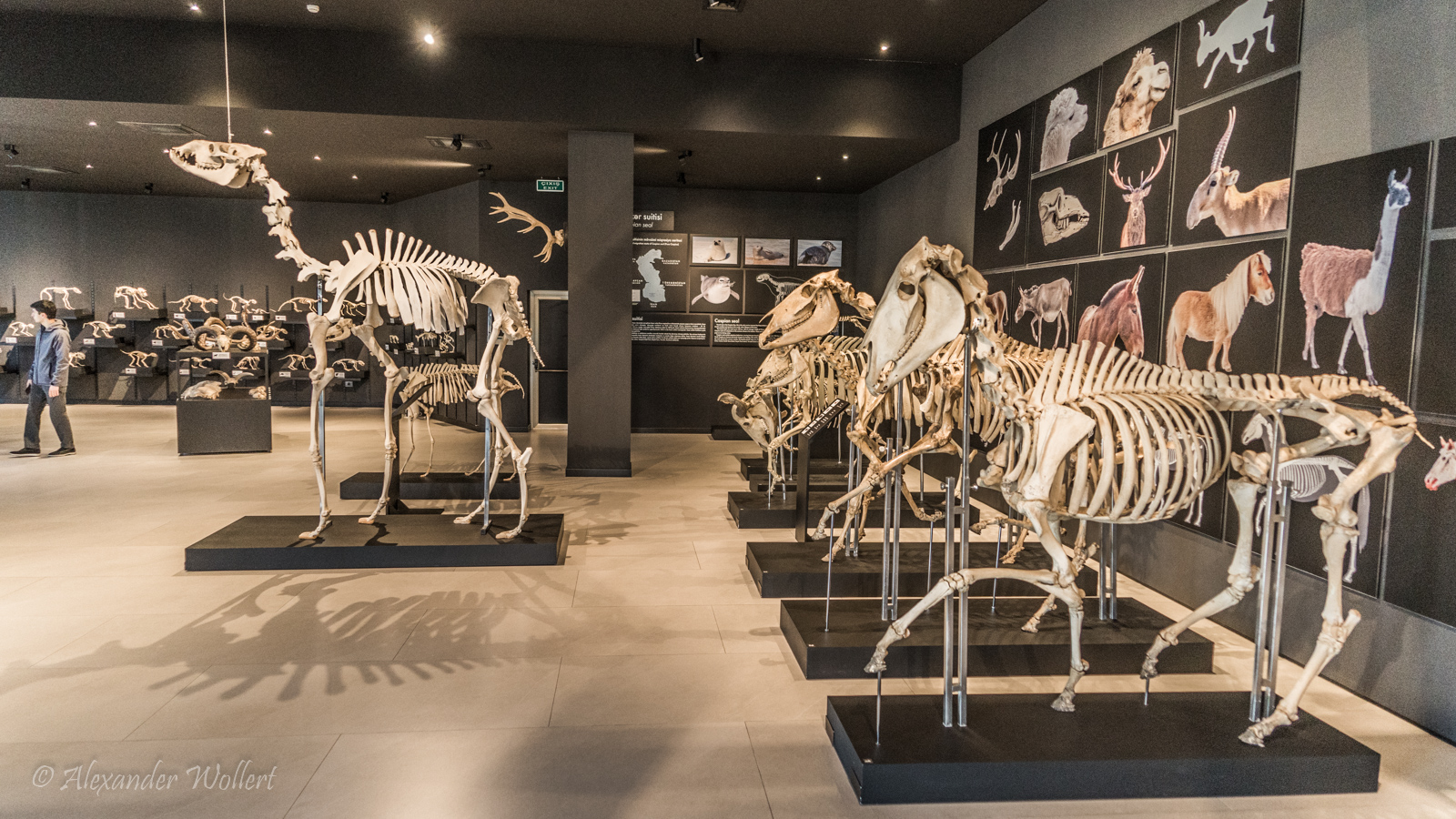
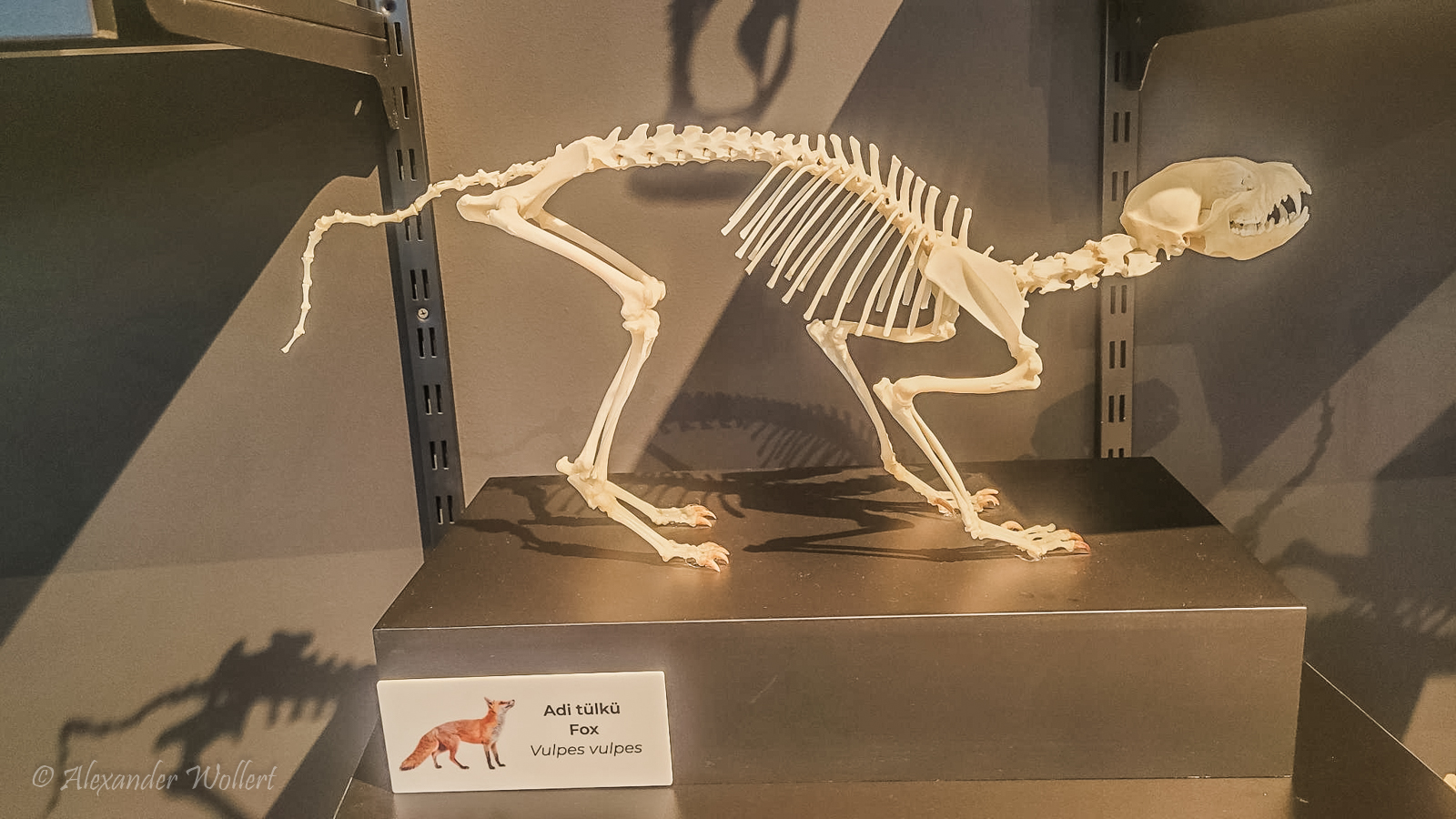
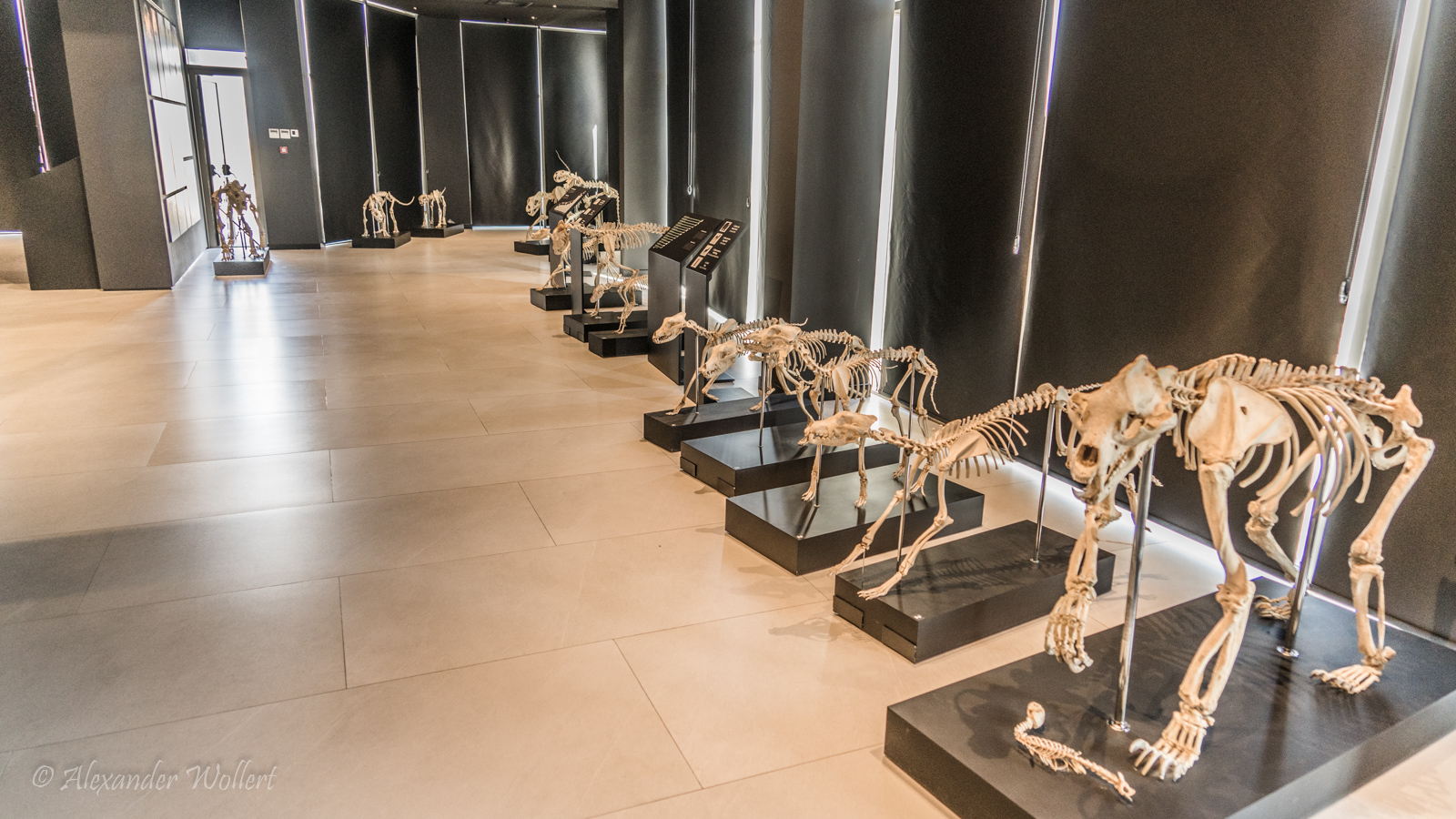
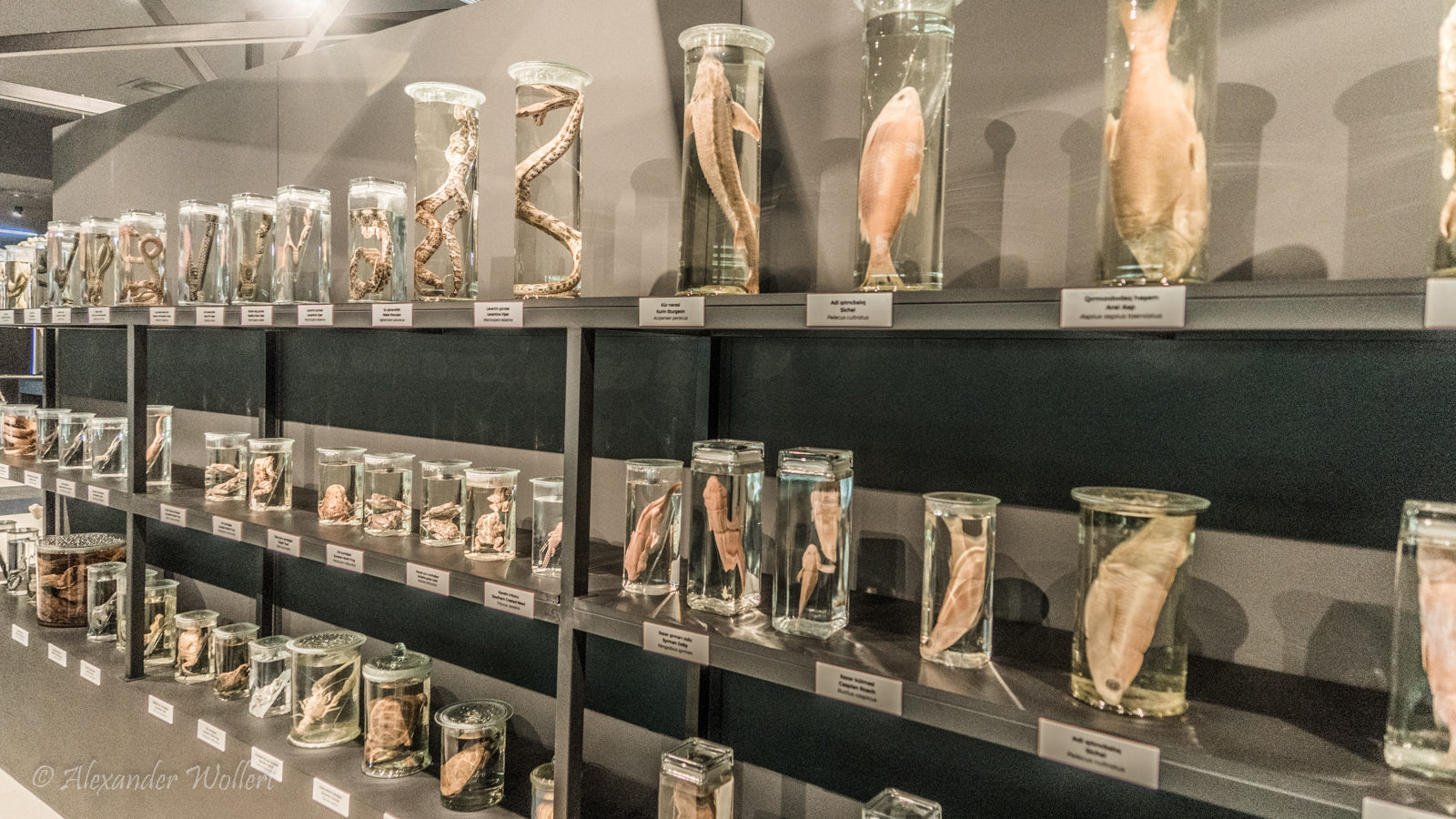
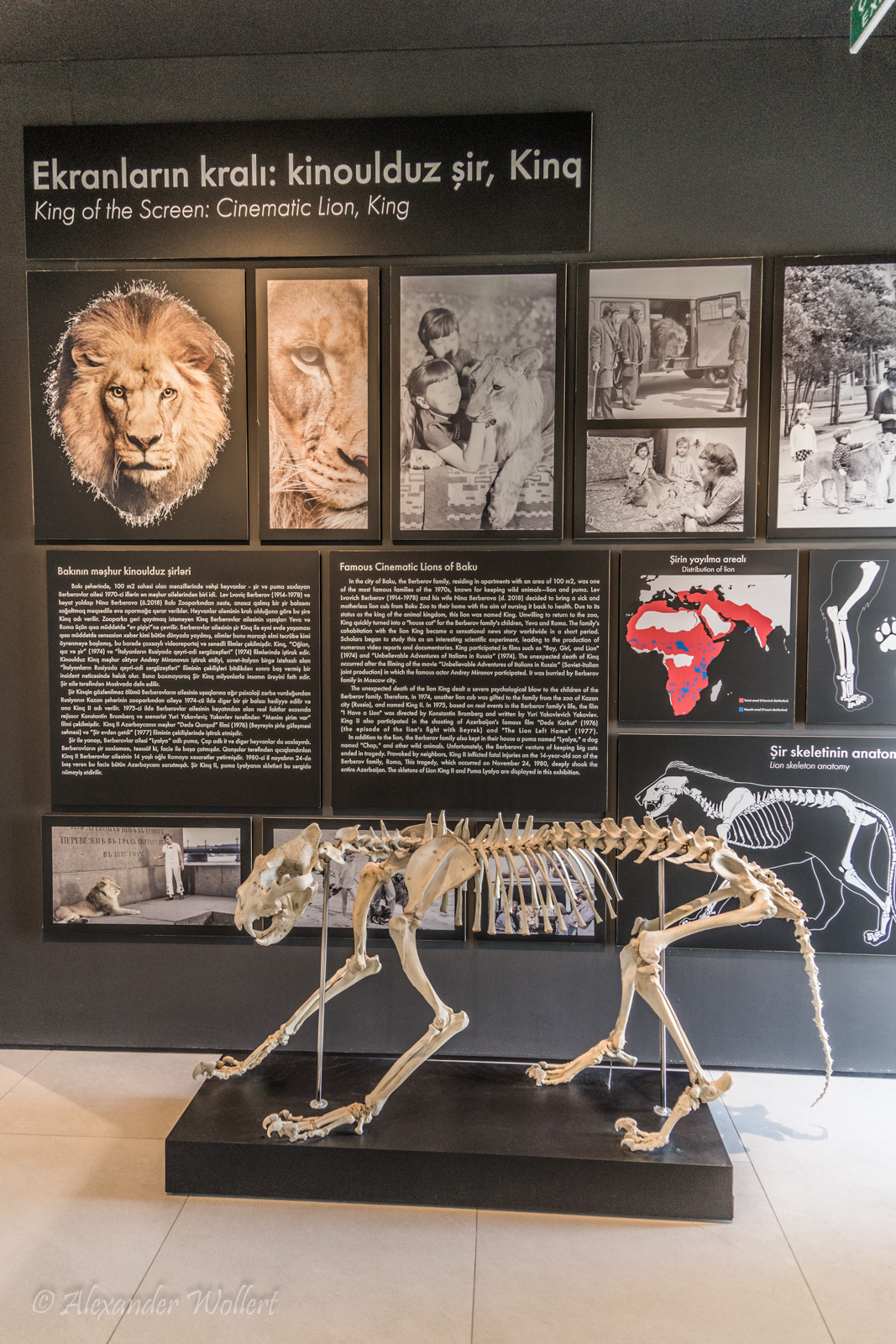
Besides a souvenir shop and a cafeteria, there is a museum that displays the skeletons of all kinds of animals.
Preserved bones of mice, cats, goats, horses, lions, giraffes, and elephants. Well, whatever the reason.
Among the exhibits is “King.” The lion lived with the Azerbaijani Berberov family in Baku and appeared in numerous films.
Our next destination is in the Caucasus. To get there, we need to head north again. I saw on the map that there’s a small track leading from this museum, winding its way past more mud volcanoes into the mountains, and that would take us to Shamachi (Şamaxı). But the road is closed, and we’re not allowed to pass through a barrier.
But I’ve already spotted other daring little roads on the map that would allow us to cut a long way off the ugly highways and promise adventure. We take the goats’ path and are rewarded for our adventurous spirit.


